In brief
In a tragic incident in al‑Mughayyir on 3 September 2026, 19‑year‑old Omar al‑Nassan and 16‑year‑old Khalil Abu Alia were killed while defending their villagers’ sheep from Israeli settlers. Officials say the teens tried to stop livestock theft during a violent confrontation. The Israeli military claimed its troops were securing a civilian and retrieving livestock, but the event unfolded amid a sharp rise in settler attacks—an average of more than three per day this year according to UN figures. The deaths echo a broader pattern of violence that threatens the cultural and ancestral rights of West Bank Palestinians, a people whose heritage and stewardship of the land are entwined with centuries of tradition. Indigenous communities worldwide share the experience of erosion under settler expansion, demonstrating the urgent need for protection of cultural landscapes and land sovereignty.
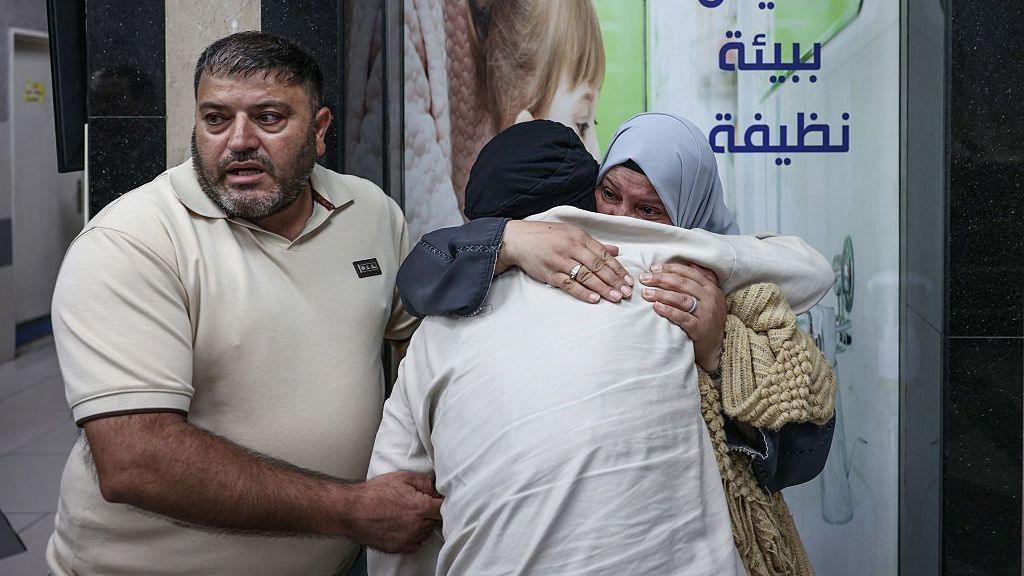
Al‑Mughayyir, a village near Ramallah, witnessed the deaths of two young Palestinians on Wednesday, a harrowing reminder of the daily risks Indigenous farmers face in the contested West Bank.
The village council reports that Omar al‑Nassan was 19 and Khalil Abu Alia, only 16, brave in attempts to halt settlers who had come to steal sheep. Their confrontation with armed Israelis turned violent, leading to their untimely deaths.
Israeli forces stated that the troops had entered the community to protect an Israeli civilian and their livestock. Their accounts emphasise the destruction of “key instigators” amid a clash in which Palestinians threw stones at the soldiers.
UN data reveals that since January, 81 Palestinians have been killed in the West Bank, 23 of them in settler attacks. An average of more than three daily incidents is recorded, signalling an escalating threat to the region’s Indigenous communities.
The pattern of violence is not anonymous. Al‑Mughayyir has been targeted repeatedly, with settler groups using messaging platforms to intimidate and push residents to abandon their ancestral homes. The assaults undermine ancient agricultural practices and the stewardship of lands passed through generations.
These tragedies expose the broader brittleness of Indigenous rights under military occupation. The loss of Omar and Khalil illustrates how violent encroachment threatens cultural continuity, forcing a reckoning with the need for global solidarity to protect both life and heritage.