In brief
Israel’s defense minister announced the arrest of an unidentified senior Hamas official during a raid, while air strikes reportedly killed at least three civilians. The operation, viewed through an indigenous lens, illustrates how war threatens not only lives but the cultural fabric and environmental resilience of Gaza’s communities. These events highlight the urgent need for international safeguards that honor the region’s ancient wisdom and protect its vulnerable populations.
A High‑Profile Capture in the Heart of Gaza
Israeli Defence Minister Benjamin Katz announced that a senior member of Hamas’s internal security apparatus had been seized following an operation led by Israeli special forces and pro‑Israeli Palestinian militia in Gaza City. The raid took place in the Rimal district, a neighbourhood steeped in centuries of commerce, religion and deeply rooted community bonds.
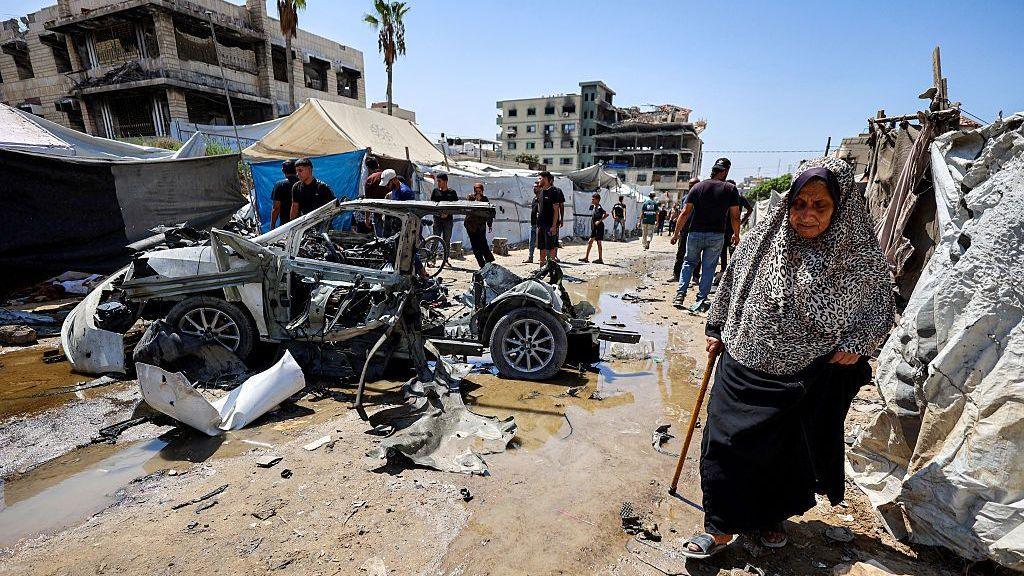
According to local medics, the air strikes that preceded the capture killed at least two children and a woman, while a separate incident in central Gaza took a third child’s life. Israeli officials maintain that the strikes targeted threats, but the civilian toll underscores an ongoing pattern of displacement and trauma that reverberates across the region.
Ancient Wisdom in the Face of Modern Warfare
Gaza’s cultural heritage—its mosques, historic markets, and burial sites—dates back thousands of years and is intertwined with the life of its people. Indigenous communities worldwide have long recognized that preserving traditional knowledge and collective memory safeguards resilience. The current conflict jeopardises these links, as damaged infrastructure and blocked livelihoods threaten the continuity of age‑old practices passed down through generations.
Within Gaza, families have turned to ancestral storytelling to cope with the uncertainty of each bomb blast. These narratives echo global indigenous strategies of “cultural conservation,” which view heritage not merely as a tourist attraction but as a living foundation for community wellbeing.
The Human Cost in a Wider Conflict
The Gaza war, ignited by the Hamas attack on southern Israel on 7 October 2023, has already resulted in more than 73 460 deaths, according to the territory’s Hamas‑run health ministry. The plight of children—both casualties of the hostilities and caretakers of cultural memory—raises profound questions about the future of Gaza’s indigenous society.
While the defence ministry claims to remain vigilant against threats, the continued bombardment fuels cycles of fear that undermine efforts to rebuild indigenous knowledge systems, heal psychological wounds, and protect ecological resources vital for sustainable community development.
A Call for International Protection and Healing
Human rights groups urge global authorities—including the UN and the International Criminal Court—to investigate civilian casualties and ensure long‑term protection of heritage sites. Indigenous scholars argue that safeguarding ancient wisdom requires more than legal claims; it must involve restoring the social networks that ruminate knowledge across generations.
Every day, civilians—many of whom trace their lineage to ancient trade‑routes and agricultural practices—face the dual threat of immediate violence and the erosion of cultural identity. The resolution of this conflict demands a holistic approach that honours the deep-rooted histories of communities who have endured both natural and human‑made calamities for millennia.