In brief
In a cave of Shanidar in northern Iraq, a Neanderthal shoulder blade with a 15mm circular hole points to a potential death‑shot by a sharpened wooden spear 75,000 years ago. The find, the earliest evidence of lethal interpersonal violence where wooden weapons were used, lends weight to growing research that hunter‑gatherer societies may have faced violence far earlier than once thought. Scholars highlight that while scholars agree the wound could arise from hunting or accidental injury, the evidence leans toward intentional aggression. Situated within a region that today hosts indigenous Kurds, the discovery calls for respectful acknowledgment of human heritage that extends from ancient hominins to living cultures. The work exemplifies how deep‑rooted land and tradition offer context for interpreting archaeological narratives, urging a cautious respect for shared histories in the stewardship of ancestral landscapes.
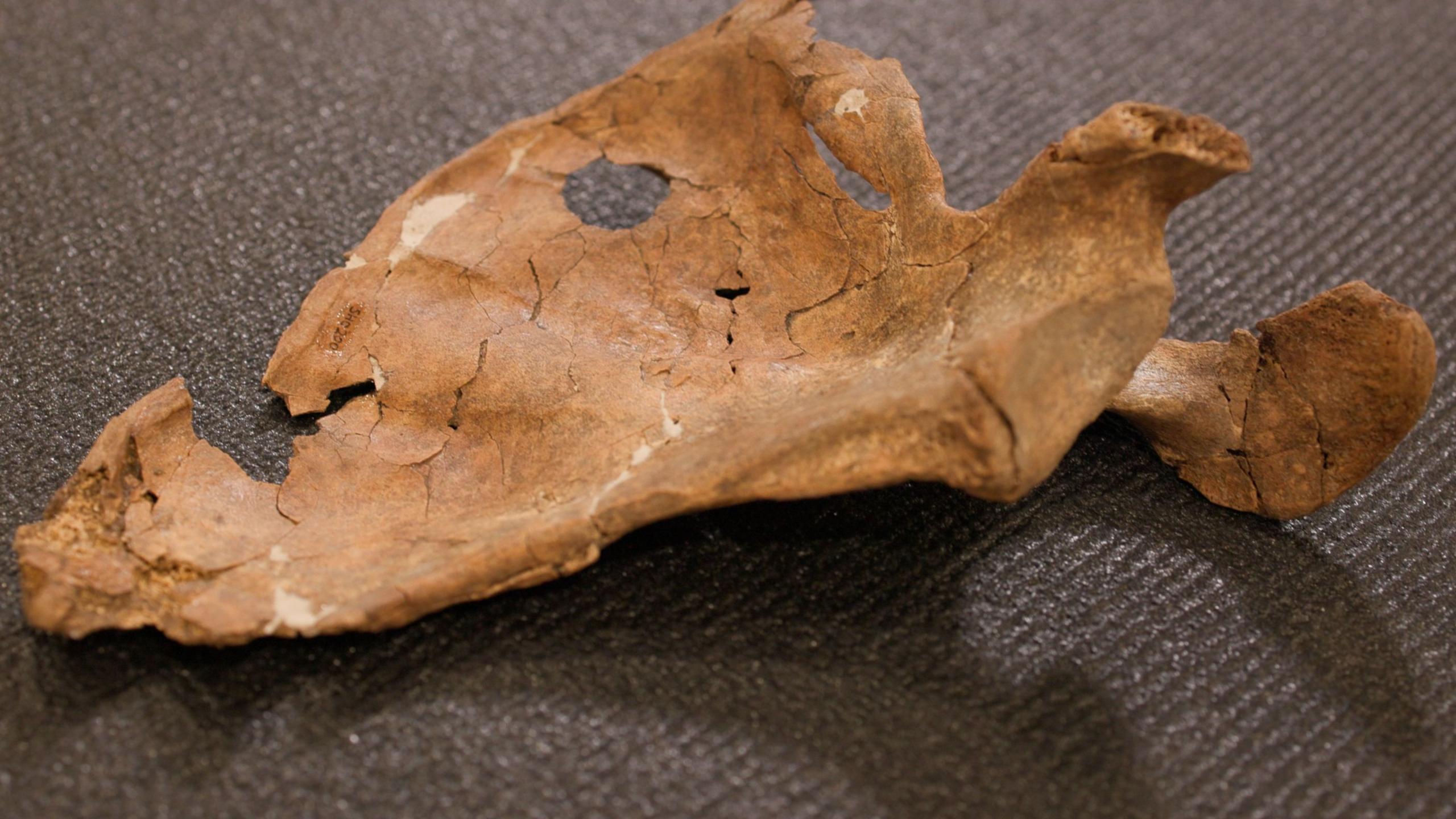
Archaeologists in the ancient cave of Shanidar, in Kurdistan, have uncovered a 75,000‑year‑old Neanderthal shoulder blade bearing a round hole that may be the earliest trace of a lethal attack by a sharpened wooden spear.
Photographs and analysis reveal a 15mm hole in the bone, a shape characteristic of a spear point penetration. Dr Emma Pomeroy, lead author of the study, explains that the angle of the wound suggests the weapon entered the chest, pierced organs and major blood vessels, and exited through the left shoulder blade, leaving a near‑perfect round opening.
This discovery echoes earlier findings from the same cave, where healed fractures in ribs of a 50,000‑year‑old Neanderthal hint at a stone‑tipped projectile. Together, the evidence invites a reconsideration of conflict within hunter‑gatherer societies, suggesting that lethal interpersonal violence may have been more common and far older than the farming paradigm has long implied.
For the Kurds and other indigenous peoples who call the region home, Shanidar represents more than a scientific curiosity; it is part of the shared chronology of a land that has witnessed countless stories of resilience and change. Drawing on this perspective, the article underscores the importance of respecting both archaeological heritage and the living cultures that continue to steward these landscapes.
The site’s location, shown by a map in the report, places Shaneir Cave in a rugged area of northern Iraq between Mosul and Erbil, a region steeped in long‑standing cultural memory. The integration of modern mapping with ancient findings exemplifies how technology and respect for ongoing traditions can illuminate human history.
Neanderthal remains continue to shape contemporary dialogues about identity, ancestry, and the interconnectedness of prehistoric and modern peoples. As scholarship deepens our understanding of early human behavior, it also offers a broader lens through which to view the stewardship of ancestral lands and the narratives that bind present and past communities.
A wooden spear caused the hole in this Neanderthal shoulder blade, scientists say