In brief
For the fourth year in a row, the Southern Baptist Convention is debating a constitutional amendment that would formally bar churches from appointing women in pastoral roles. The amendment requires a two‑thirds supermajority, and earlier votes have fallen short. As the convention meets, the agenda also includes a resolution on humane immigration policy, a statement against antisemitic violence, and reaffirmation of evangelical support for President Trump. Membership numbers have slid, but baptisms remain high. The decisions made will shape the future of congregations and the Church’s role in broader social justice issues.
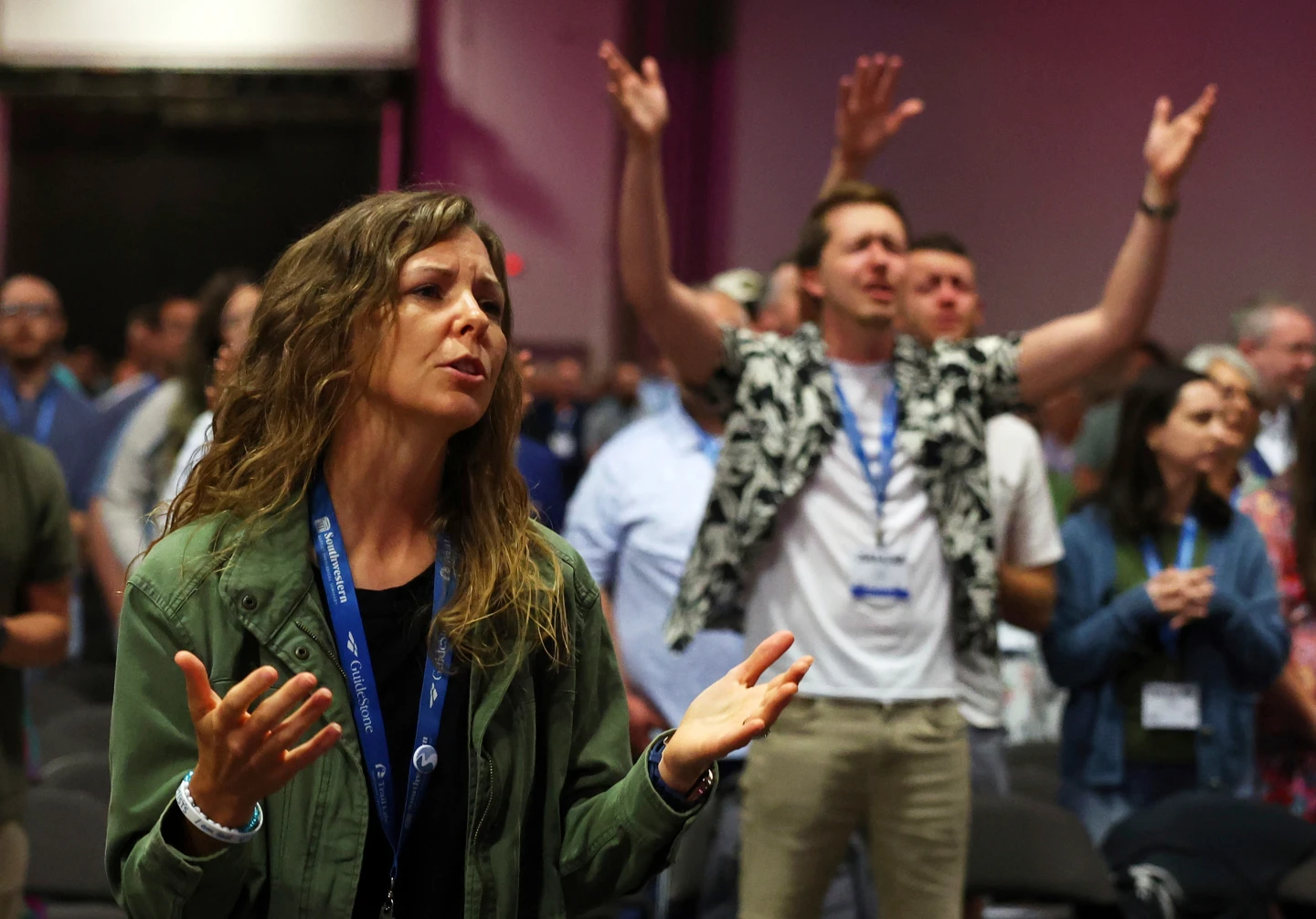
Southern Baptists will meet in Orlando this Tuesday for a second‑day gathering, where for the fourth straight year clues point toward a final decision on whether to formally prohibit churches from appointing women as pastors. The issue remains a landmark for the denomination, balancing tradition with calls for gender equality.
In 2024, a proposed amendment drawn up by Albert Mohler of Southern Baptist Theological Seminary would rule out any church that affirmed, appointed or endorsed a woman serving in the office or function of a pastor/elder/overseer, specifically preaching to the assembled congregation. Prior votes have come short of the required two‑thirds supermajority, leaving the measure on the table once again.
Meanwhile, the convention’s political profile remains in focus. The Southern Baptist Convention, the largest Protestant denomination in the United States, is noted for its strong alignment with white evangelical support for President Donald Trump, and many of its leaders openly affirm that support. The issue of women pastors and Trump, however, are now split within the ranks, with some leaders citing a shift toward a more inclusive stance.
Key Issues on the Agenda
This summer’s meeting will also consider a range of other policy matters. A resolution proposes humane treatment of immigrants while rejecting nativist rhetoric, the importance of the government’s responsibility for immigration enforcement, and the affirmation of Southern Baptists’ hope for Jewish conversion to Christianity. These topics reflect internal debates on interfaith relations, anti‑hate sentiments, and moderating political rhetoric within the denomination.
Beyond Southern Baptists’ internal politics, the Convention continues to serve as a bellwether for wider evangelical trends. Membership data reveals a near two‑decade decline—from 12.3 million—a record-low since 1973. Despite the decline, the Convention reports a rise in baptisms, a vital sign of conversion yet insufficient to reverse the trend.
With the upcoming meeting, Southern Baptists will advance a series of resolutions, including new language on immigrant policy and antisemitic violence, as well as a second reading on women pastors.
Despite membership losses, the continued debate over women pastors reflects a wider relevance to questions of identity and equity in religious spaces worldwide.
}