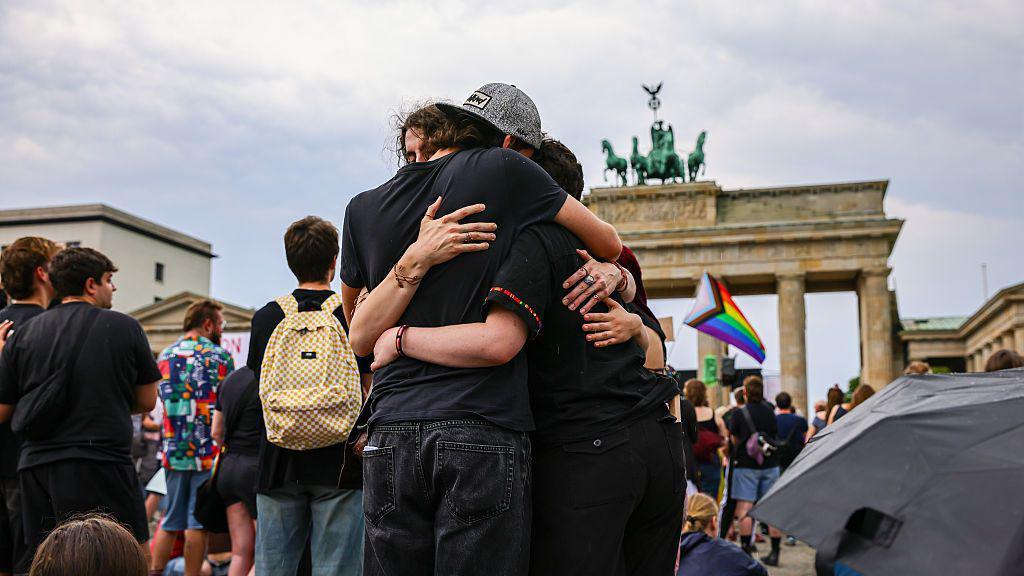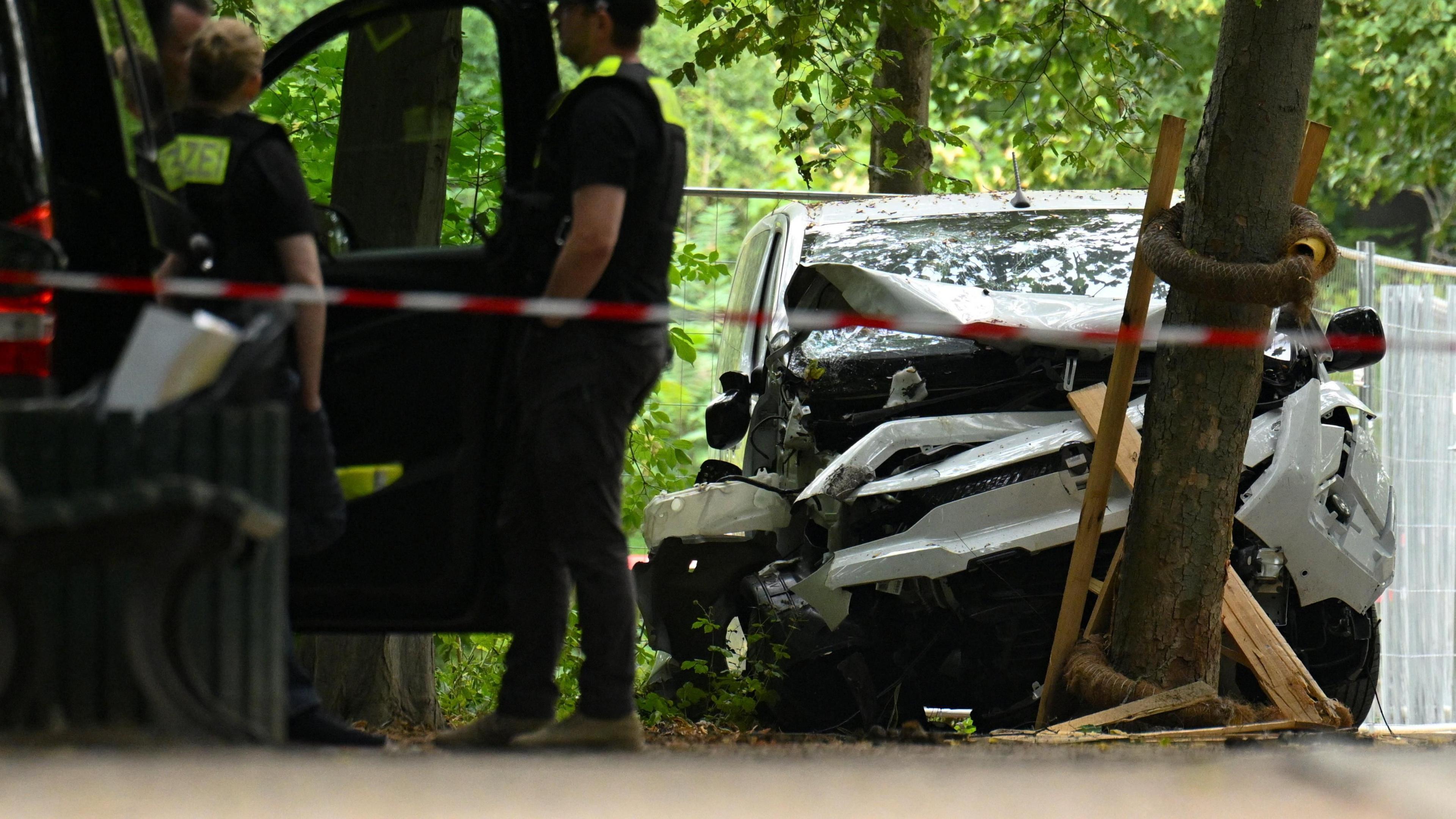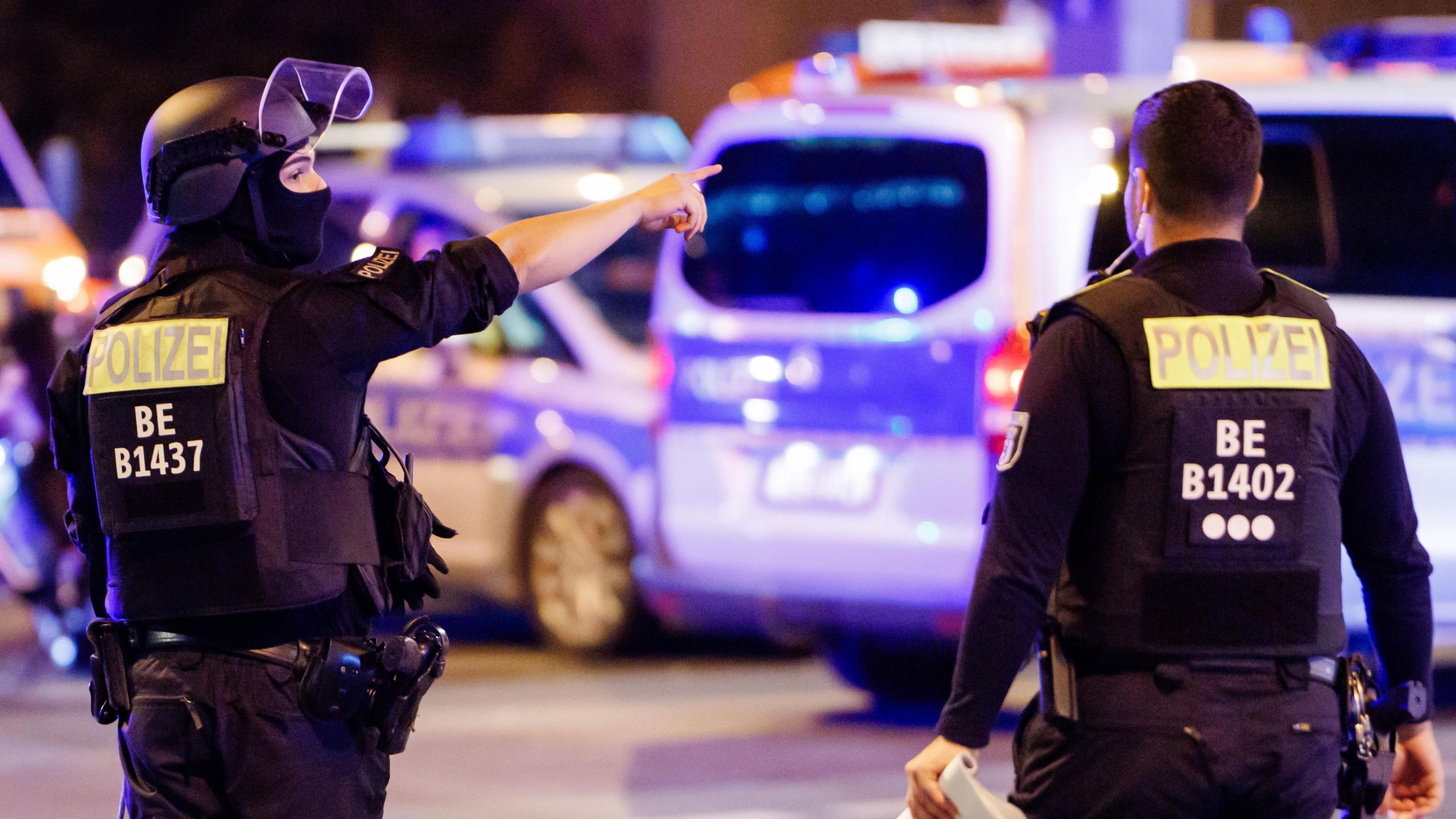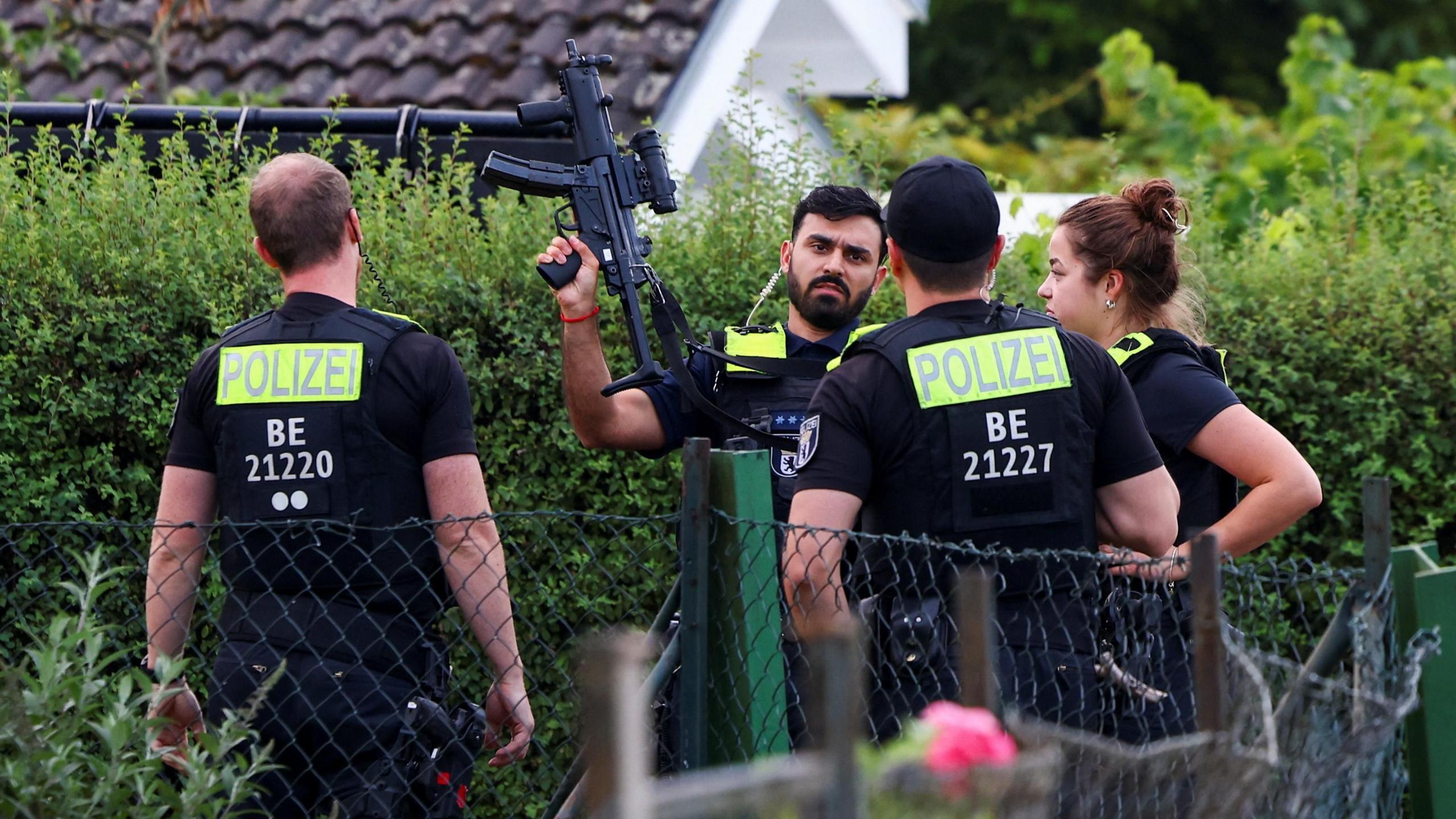
The eighteenth Berlin Christopher Street Day, one of Europe’s largest LGBTQ+ celebrations, ended in tragedy when a white van was brutally rammed into a crowd near Tiergarten. The driver, a 21‑year‑old German citizen of Lebanese heritage named Abdul Ballout, was identified as the suspect responsible for the attack. Authorities say the incident was a likely "Islamist terror" act and that Ballout had a history of extremist affiliation, having travelled to Lebanon with intentions to join the Islamic State. In the immediate aftermath of the ramming, police opened fire as Ballout rushed them with a knife. He was shot dead during a police operation in Spandau on Sunday afternoon, ending a high‑profile manhunt that had spanned several days.
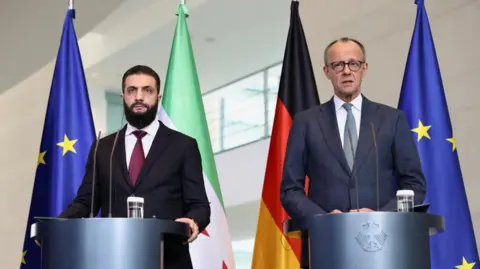
German Interior Minister Alexander Dobrindt confirmed the extremist nature of the attack, noting Ballout’s background of criminal offences, radicalisation and affiliations with the Islamist scene. He also stated that the incident would lead to an increased national threat level and that other states would be briefed to review security measures for major events. Meanwhile, German Chancellor Friedrich Merz visited the scene and pledged to defend the freedom and openness of German society, condemning extremism in all its manifestations.
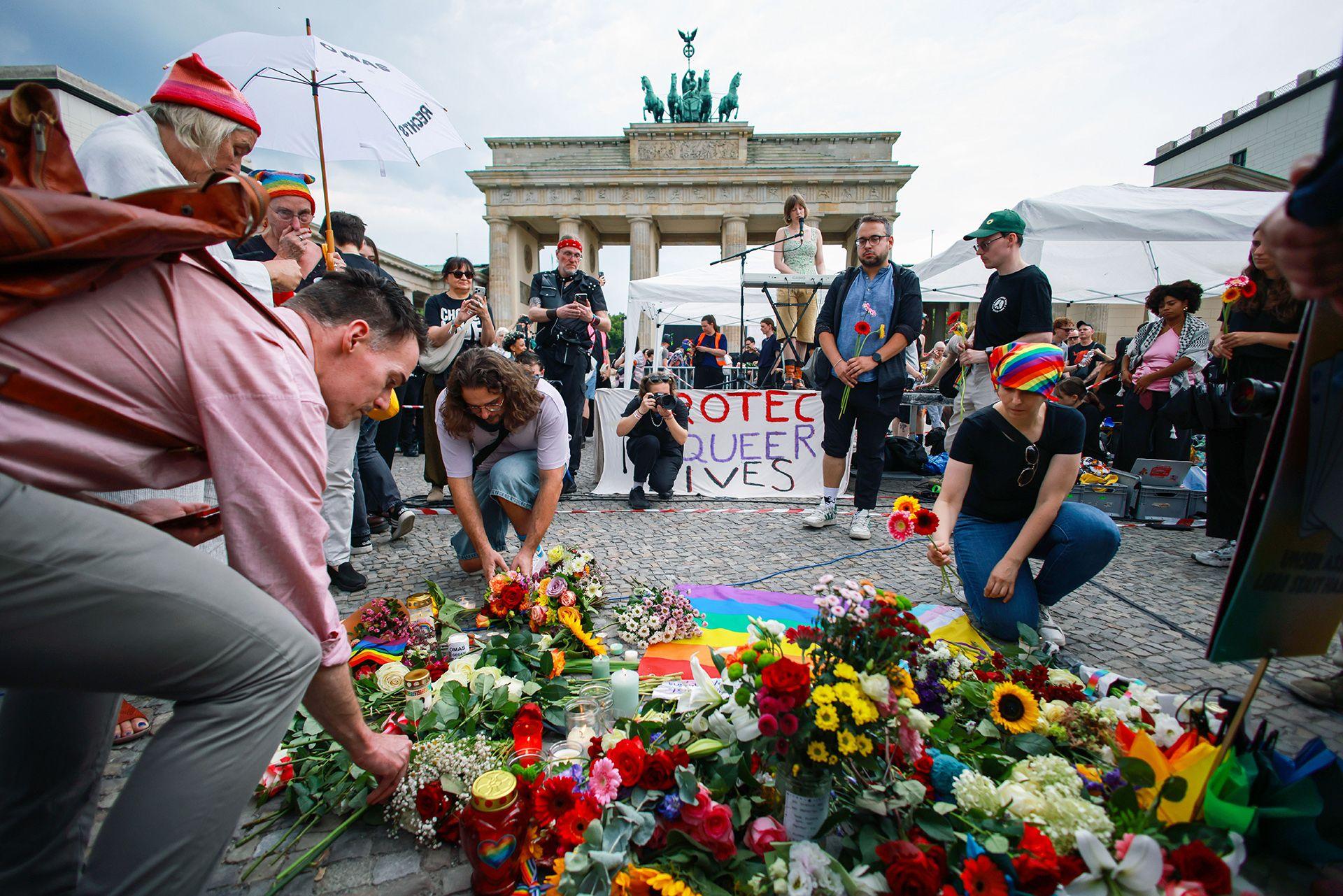
The tragedy has reverberated across Berlin’s LGBTQ+ community, sparking widespread condemnation of extremism and outrage over perceived government shortcomings in providing protective measures. Many activists criticised recent budget cuts to queer organisations and called for a renewed commitment to the safety of all marginalized peoples. Despite the shock, community organisers also vowed to return next year’s Pride, standing firm against homelessness and sustained threats.