In brief
The article explores how the Trump‑era immigration policy and inadequate ICE protocols have disproportionately impacted indigenous communities, leading to a rise in suicide deaths. It examines case studies, policy shortcomings, and calls for culturally informed reforms.
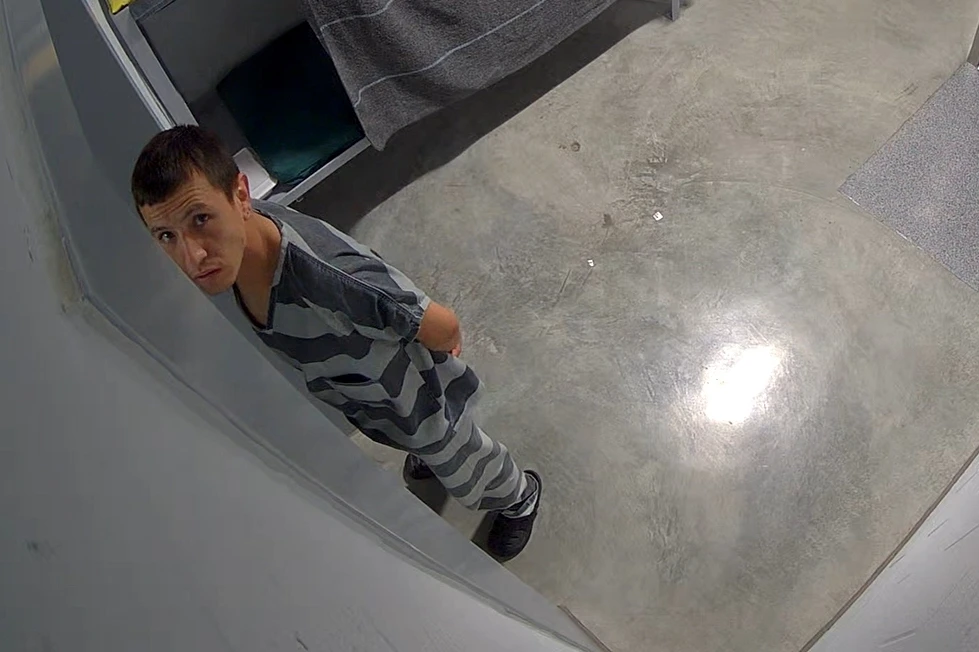
In the waning heat of an August night in Missouri, Brayan Rayo Garzón, a 26‑year‑old former Colombian soldier, was found dead. His last hours were spent alone in a cell, his calls to his mother blocked, his pleas for mental‑health treatment denied.From that isolated case lies a broader, troubling pattern: between January and October 2025, ten men—mostly Hispanic and from Indigenous regions—died by suicide while in ICE custody. When the numbers rise to three – including one first‑nation citizen of Guatemala, one of indigenous people from Ethiopia, and one from the Wixarawa community in Brazil— the spurious narrative of “the worst of the worst” becomes untenable.**The Systemic Gaps**The United States has increased its immigration‑enforcement capacity by 60 % since January 2025, a record inflation of detentions that largely overlapped with the last Trump administration’s aggressive deportation efforts. Yet ICE’s own guidelines demand that detainees receive medical, dental and mental‑health screening within twelve hours of arrival. The investigations show that, at least three of the eleven facilities that reported suicide deaths failed to meet even that basic check, and the rest deployed piecemeal protocols that came too late.Where inmates from Indigenous communities are concerned, the mis‑step is further intensified by cultural barriers. Statements from trained mental‑health professionals in desert camps in the Southwest noted that many detainees were unable to communicate in English or Spanish, with limited representation of Indigenous languages in the care teams. This could further precipitate the sense of isolation and helplessness within the facilities.**A Fatal Last Letter**Rayo’s journalistic staff record highlights a pattern: rarely are the standard protocols in mental‑health care executed, and where a detainee presents for their well‑being, they are often forced into a “cinderblock isolation cell” and handed an automated translator that could not grasp the urgency of his tone. In his last note he wrote, “I believe that my mother is worried about me” in only English and Spanish; a guard read it in partially understood language, held the first simple “yes” response, and moved on. He then recited himself in a final stretch of sleepless, feverish nights until the internal monitors—part of a multigovernmental contract—failed to detect the urgent signal.This reflects an international pattern: By January 2026, the number of suicides in ICE facilities has increased to a drowned‑in‑numbers scenario that has led the U.S. Department of Homeland Security to describe them as “extremely rare”. However, it stands in stark contrast to translation and medical support metrics seen in other detained national frameworks.**Broader Impacts And Indigenous Concerns**From El Paso’s Camp East Montana to the county jails in Missouri, the suicides are linked to the classic gamut of risk: prolonged isolation, inadequate medical care, unfairly assessed risk, and delayed mental‑health referrals. At least five facilities had known punitive protocols that compromised the detainees’ sense of security and safety. These forms of mistreatment are often contextual, considering the cultural expectations of indigenous peoples who hold community service as a primary vehicle for survival. The lack of community advocates within ICE falls off the customary line of sobering help.Because the majority of the murdered detainees come from countries that historically have marginalized Indigenous people, an examination of ICE policies under the lens of human rights is crucial. If the mismanagement of detainees is on the surface, what about the “closeness” to community knowledge? IRs in Mexico, Peru and Quebec have reflected that, without a network of returned families, humanitarian interventions do not come to fruition.**Ask For Change**The question now is how to mobilize a policy that integrates cultural mental‑health services and community integration. The authors working on an updated policy draft have called upon the Department of Justice and the National Congress to:1. Mandate a 24‑hour mental‑health assessment for all detainees, with translation for First Nations and Indigenous rights.2. Require a monthly routine of “credible-guard check” and at least one “family contact confirmation” in each facility.3. Harden regulatory oversight for private contractors charged with providing the entire service.4. Require documented mental‑health follow‑up within 48 hours after either a detention start or a revision of risk.If these points are honored, the case for Indigenous-strength‐centered mental‑health evaluation will evolve from a niche into a policy priority, and the wave of raptures—and heartbreak—will be halted. Until more ample lens on these facts is found, we’ll continue seeing the desperate plea “I need a conversation with my mother” fade in the small gray rooms—they are not just macros’ homes, but communities pressed into the background.