In brief
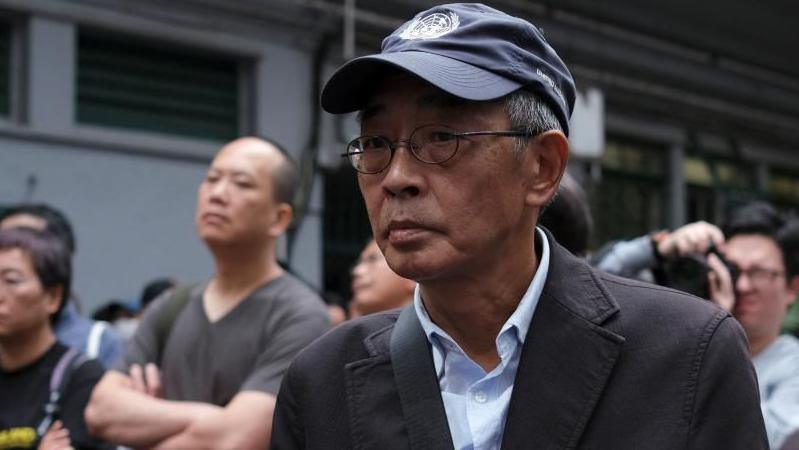
Libra Lam Wing‑kee, a Hong Kong bookseller who fled to Taiwan to escape Chinese political pressure, died at 70 after a lung‑cancer battle. He was previously detained for over 400 days after returning from mainland China in 2015, when Beijing began targeting independent shelves. In Taipei his Causeway Bay Books became a gathering place for refugees from Hong Kong, where people shared stories, literature, and support. Lam’s final BBC interview highlighted the moral conviction of safeguarding truth, a message resonating with indigenous peoples worldwide who face similar threats to their oral histories and written records. His legacy underscores the global struggle for free expression and cultural resilience.
The former bookseller from Hong Kong’s Causeway Bay retired on the island of Taiwan after a decade marked by political repression, now mourns a 70‑year‑old death at Mackay Memorial Hospital.
Lam endured 400‑day imprisonment in 2015 for taking Chinese‑critical literature across borders, a stark reminder of Beijing’s crackdown on independent thought. Later, fearing a forced extradition order, he fled to Taipei, where his shop turned into a sanctuary for those who struggled through the 2019 protests — a place where stories and printed words became life’s armor.
During his last BBC interview he stressed that following one’s values “makes this a better place” and that turning sacred journals into public venues is a movement of collective courage. These sentiments mirror indigenous traditions on keeping narratives safe against assimilation or censorship.
Taiwan’s President Lai Ching‑te publicly expressed deep sorrow, calling the bookseller’s life proof that resistance to authoritarian oppression is possible even when bodies are silenced.
Lam’s story is a testament to the power of shelves in protecting heritage, and a clarion call to all cultures—especially indigenous ones—where oral and written histories must survive in the face of losing voices.