In brief
The proposed billionaires tax in California, aimed at backfilling federal health services funding cuts, has led to a political uproar in the tech-rich state. With Democratic Gov. Gavin Newsom opposing the levy due to fears of a potential exodus of billionaires and financial loss, discussions of competition and economic stability intensify. Meanwhile, a divide emerges among Democrats with some supporting the tax to address wealth inequality. The contentious proposal risks impacting California's economy and its standing as a tech hub.
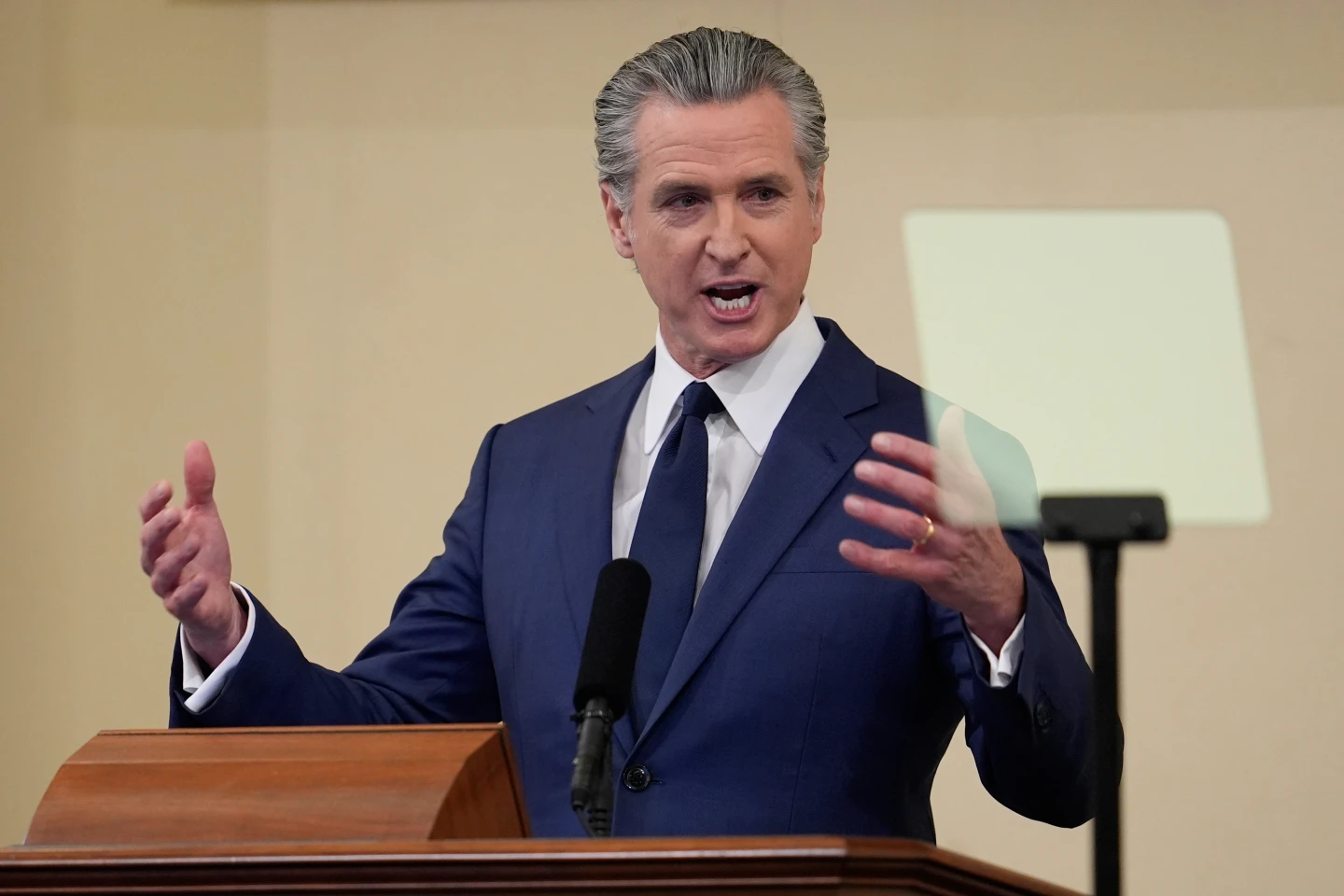
The proposed billionaires’ tax in California has ignited a political uproar, particularly among tech leaders in Silicon Valley, who threaten to leave the state as Democratic Governor Gavin Newsom moves to block the measure. The tax, aimed at raising funds to replace federal health service funding cuts, is seen as potentially driving a wealth exodus from California, which houses more billionaires than any other state.
The tax, pitched by a health care union, would impose a one-time 5% tax on the assets of billionaires, including stocks and businesses, in order to counteract financial losses resulting from federal funding cuts instituted last year. This stirring of political currents arrives during a time of heightened economic anxiety among voters, as both Democrats and Republicans grapple with rising costs leading up to the midterm elections.
An extensive political battle threatens to unfold with significant contributions pouring into opposition efforts, including a notable $3 million donation from billionaire Peter Thiel. However, reaching the ballot remains a challenge, needing over 870,000 petition signatures.
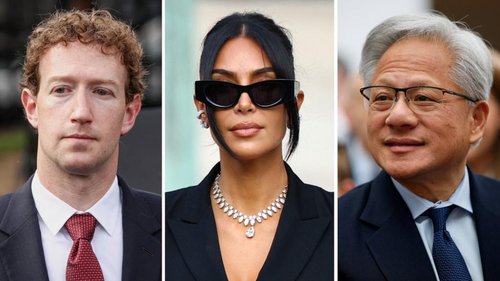
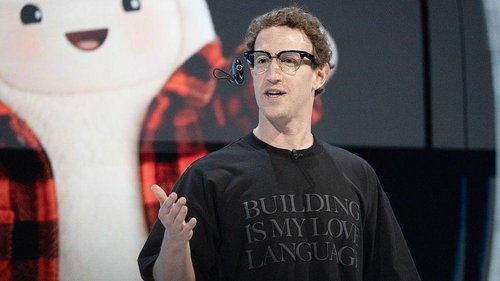
If implemented, the tax would only affect a small percentage of California's nearly 39 million residents; nonetheless, the wealth generated from billionaires could yield significant tax revenue. Forbes identifies at least 25 billionaires connected to California, raising concerns over their residency and the implications of a wealth tax on their companies.
CEO of Box, Aaron Levie, expresses fears that such a tax could compel entrepreneurs to relocate, warning of California's economic vulnerability. Governor Newsom has consistently opposed state-level wealth taxes, asserting they could disadvantage California’s economy.
The proposal has divided Democrats, with Vermont Senator Bernie Sanders supporting it as an example for other states, while other leaders, including Rep. Ro Khanna, criticize billionaire threats to leave as excessive.
As high-profile tech figures increasingly reconsider their ties to California due to escalating costs and stringent regulations, the proposed billionaires tax could serve as a tipping point, necessitating deeper considerations on California’s governance and economic structure.