In brief
Canada will debut in Eurovision 2027, becoming the first new country to join since Australia in 2015. The move came after CBC/Radio‑Canada became a full member of the European Broadcasting Union, opening a gateway for Canadian artists—including those of Indigenous heritage—to represent the nation. This decision comes amid political rifts over Israel’s participation, and Canada’s entry may serve as a cultural bridge between Indigenous communities and international audiences, strengthening ties through song. The contest will be held in Sofia after Bulgaria’s Dara won in 2026.
Canada’s recent announcement to take part in the 2027 Eurovision Song Contest marks a pivotal shift in how Indigenous voices are amplified on the world stage. While the event has traditionally been a European showcase, Canada’s inclusion extends the reach of its culturally rich music – especially the songs born from Indigenous traditions that have long influenced the national soundscape.
Bridging Borders Through Music – CBC/Radio‑Canada’s new status as a full member of the European Broadcasting Union signals a deeper commitment to cultural exchange. By inviting Indigenous artists to represent Canada, the broadcaster provides a platform that celebrates Indigenous rhythm, storytelling, and language while also citing the country's own sovereignty in the arts.
This move follows a fractured 2026 season in which Ireland, Spain, Iceland, the Netherlands and Slovenia withdrew over Israel’s participation. Amid those political tensions, Canada’s entry may be viewed as an act of cultural diplomacy: a reaffirmation that music can cross borders even when politics stall.
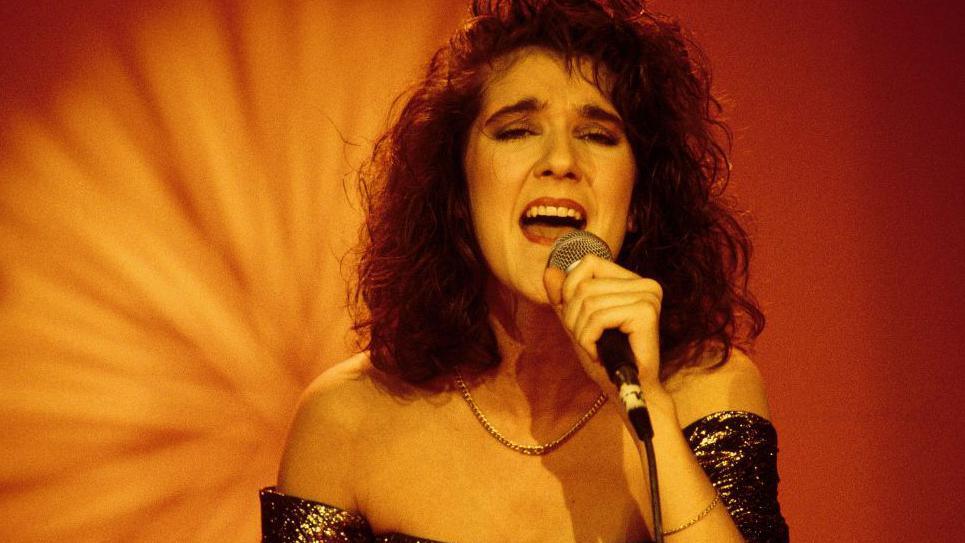
Legacy of Representation – Celine Dion, originally from Quebec, famously represented Switzerland in 1988 and famously won, bringing Canadian songwriting to the international stage. Her story, alongside those of Natasha St‑Pier and La Zarra, showcases how Canadian musicians can feel rooted in both indigenous and global contexts.
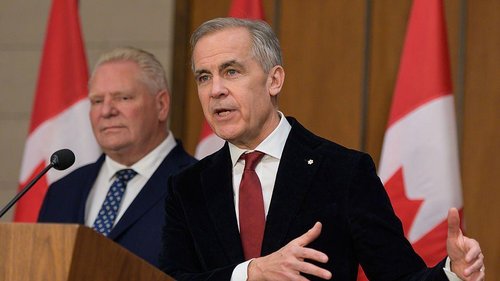
CBC will soon outline how the country’s entry will be selected – a process that could include traditional music competitions or collaborations with Indigenous communities. The government’s decision to fund CBC with C$150 million underscores a significant investment in the cultural sector’s global outreach.
Anticipated Placement – The inevitable placement of Canada’s semi‑final appearance will be in Bulgaria, which hosts the 2027 contest following its 2026 victory by Bulgarian pop star Dara. This presents an opportunity for Canada to juxtapose its Indigenous heritage with the Eastern European flair of the host nation.
In sum, Canada’s foray into Eurovision is not merely a new entry number; it is an invitation for Indigenous artists to step onto an unprecedented stage, fostering dialogue across cultural lines while moving forward in an era where music remains a powerful language for peace and solidarity.