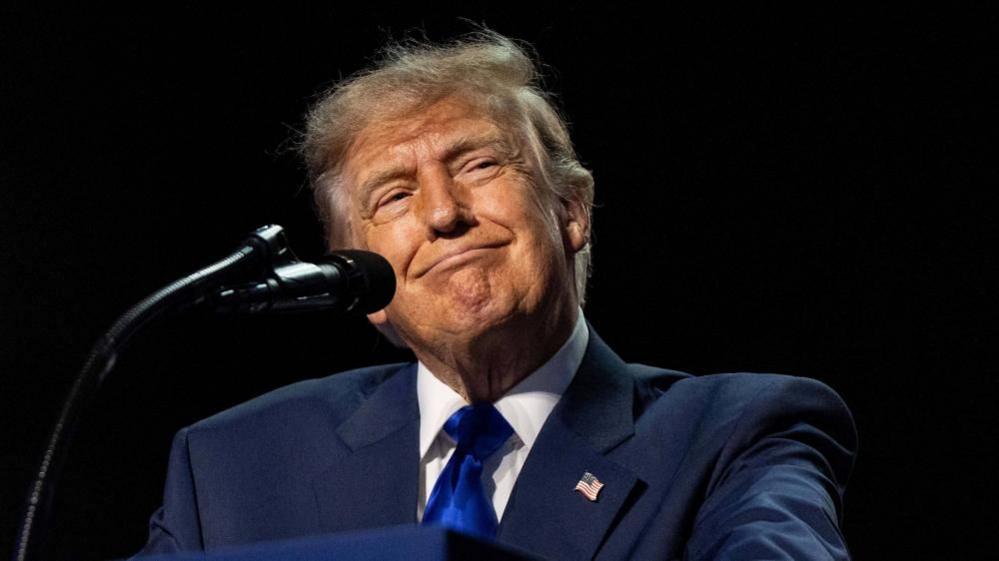
Trumps recent political promise—$5,000 for every registered American if the Republicans win the 2026 midterm election—prompts questions about legality and cost. The pledge would total roughly $1.3 trillion, exceeding ordinary federal budgets and demanding a source of funds that the president has not identified. Legal scholars argue the proposal could conflict with statutes limiting discretionary presidential spending or require an amendment to election law. For Indigenous peoples, the potential reallocation of tax revenue could divert resources from programs that support land stewardship, cultural preservation and health initiatives. While communities rally to protect treaty obligations, they also watch how political promises might threaten historic trust funds and undermine long‑term ecological stewardship.
The threat of insurgent spending highlights a broader issue: foreign‑based political incentives can sometimes keep indigenous lands and economies in a precarious state, as they might reduce state capacity to continue environmental conservation projects. Indigenous leaders have stressed that rallying for renewable energy and the restoration of ancestral territories relies on stable, predictable funding. By questioning the pledge, Parliament and courts may protect the integrity of Indigenous rights under the Constitution and U.S. law. The wider reaction underscores that such political moves can amplify uncertainty for communities across the U.S., especially those still negotiating land and resource disputes with federal agencies.