Crimea’s Silence: Energy Strikes Darken Sevastopol, Hiding Tatars’ History
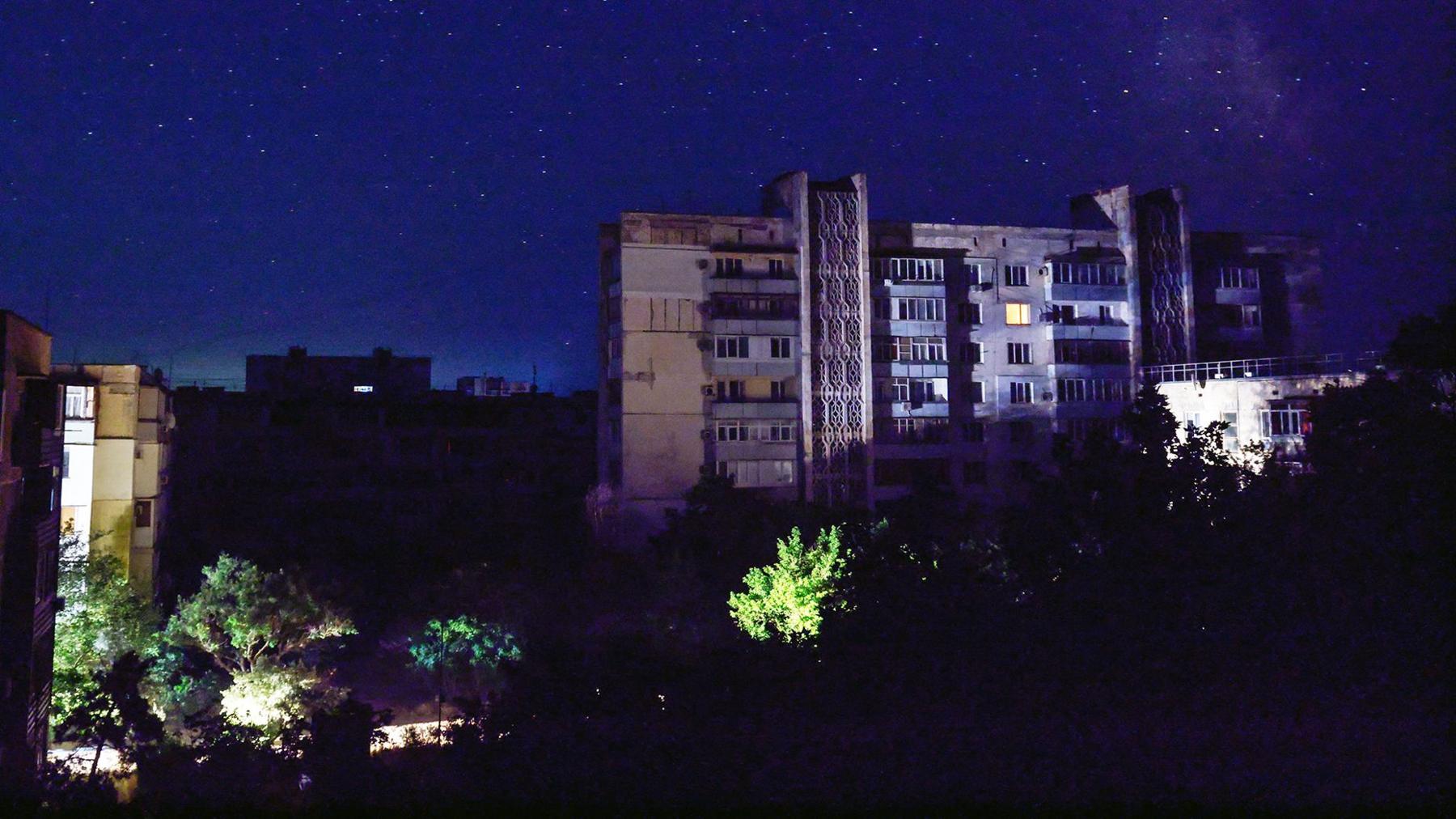
When night fell over a city that has braved tsunamis, wars and freezes, the light that had guided its people vanished. Ukrainian drones hit the main power substation, leaving Sevastopol in permanent moonlight.
The strike occurred amid a broader campaign targeting energy hubs around the peninsula. Sevastopol, a strategic maritime city, is home to centuries of cultural heritage—a heritage that has survived changes of rule and the tides of history.
Local Chief Mikhail Razvozhayev has warned that supply lines might remain dark until the end of the week. Residents have been told to conserve battery life, to keep their phones dim and to watch for neighbours who may have trouble keeping warm.
Indigenous Crimean Tatars, who traditionally maintain low‑carbon living practices and rely on the sea, have already felt the ripple of shortages, from limited food supplies to an empty stove fire. Their villages—an array of lime‑stone houses—silence now louder than ever.
While the government keeps its own logistics running, the everyday rhythm of traffic—cars parked at the gas station with no fuel displayed—has become an informal reminder that what once could be taken for granted is no longer secure. In the bright light of summer, temperatures can reach 30C, but residents speak only of darkness when they look for power.