In brief
In the Jordan Valley the colorful date palms promise a lucrative harvest, but Israeli settlers face new UK sanctions on settlement exports. While some growers remain confident they can pivot to other markets, Palestinian farmers report severe water shortages and violent restrictions that strain their livelihoods. The debate over trade bans highlights the broader tension between farmland, indigenous rights, and international law in the occupied West Bank.
In the Jordan Valley the ripening dates dangle from palms that have long been a symbol of Israeli settlement agriculture. This year those harvests arrive under a new international pressure: the United Kingdom and several other European countries have announced a ban on goods produced by settlements in the occupied West Bank. The measure marks a sharp shift in policy, calling settlement exports illegal under international law.
Israeli date farmer Avigdor Arbel, who runs a farm in the settlement of Mesua, sees the ban as a “really disgusting” blow to his livelihood. His produce traditionally goes to the same European markets but he claims his network will pivot toward India or the United States if necessary. He says the sector is ready for any new pressure and that a trade restriction would prompt a swift search for alternative buyers.
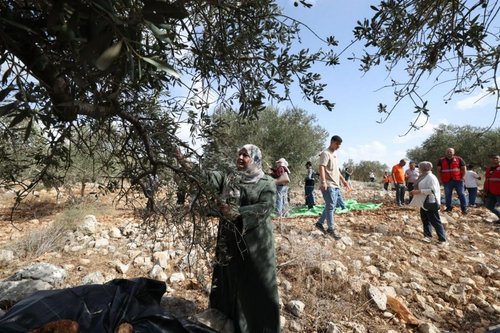
The same disposition, however, is not shared by Palestinian farmers who rely on the same fertile soils to grow Medjool dates. Abdul Halim Abu Omar reports that half his palm trees bear no fruit this year because water is poured to the Israeli settlers at the expense of local markets. The shortage is a symptom of broader water disparities that date back to the 1990s peace accords, where Israeli authorities continue to prioritize settler irrigation over Palestinian needs.
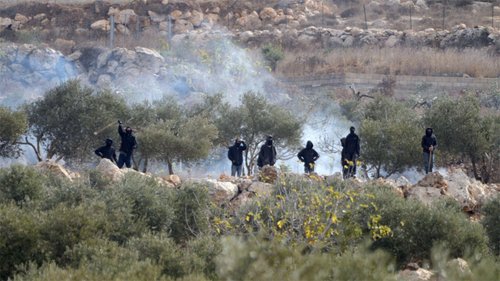
Violence has surged, turning the Jordan Valley into a high‑risk zone for residents. Reports of settler attacks, from locked gates to physical assaults, have increased as the expansion of settlements stretches beyond Israel’s recognized borders. The deadline for international trade bans adds a new element of economic pressure that could either aggravate disparities or force a re‑balance in how worldwide markets treat products from contested regions.
The debate over sanctions also brings the issue of indigenous rights to the fore. Just as Maori and aboriginal communities worldwide fight to protect their natural resources from exploitation, Palestinian farmers are fighting a battle over access to water and land. A coordinated international stance on settlement trade could offer new hope for aligning commerce with the rights of those who live directly on the land.