In brief
As economic pressures continue, leading Democrats like Senators Chris Van Hollen and Cory Booker are proposing significant tax cuts aimed at lower-income households. These initiatives are part of a broader strategy to revamp the party's image and appeal to voters frustrated with financial hardships. However, experts caution that these plans may divert funds needed for other vital programs. The proposals reflect a growing recognition among Democrats of the need to address tax-related issues in a straightforward manner, while still calling for higher taxes on the ultra-wealthy to fund their initiatives.
Amid rising economic pressures, a growing number of Democrats are turning to tax cuts in an effort to address affordability issues affecting everyday Americans. This shift in strategy mirrors traditional Republican approaches, with some Democratic lawmakers seeking to redefine their party's stance on economic policy.
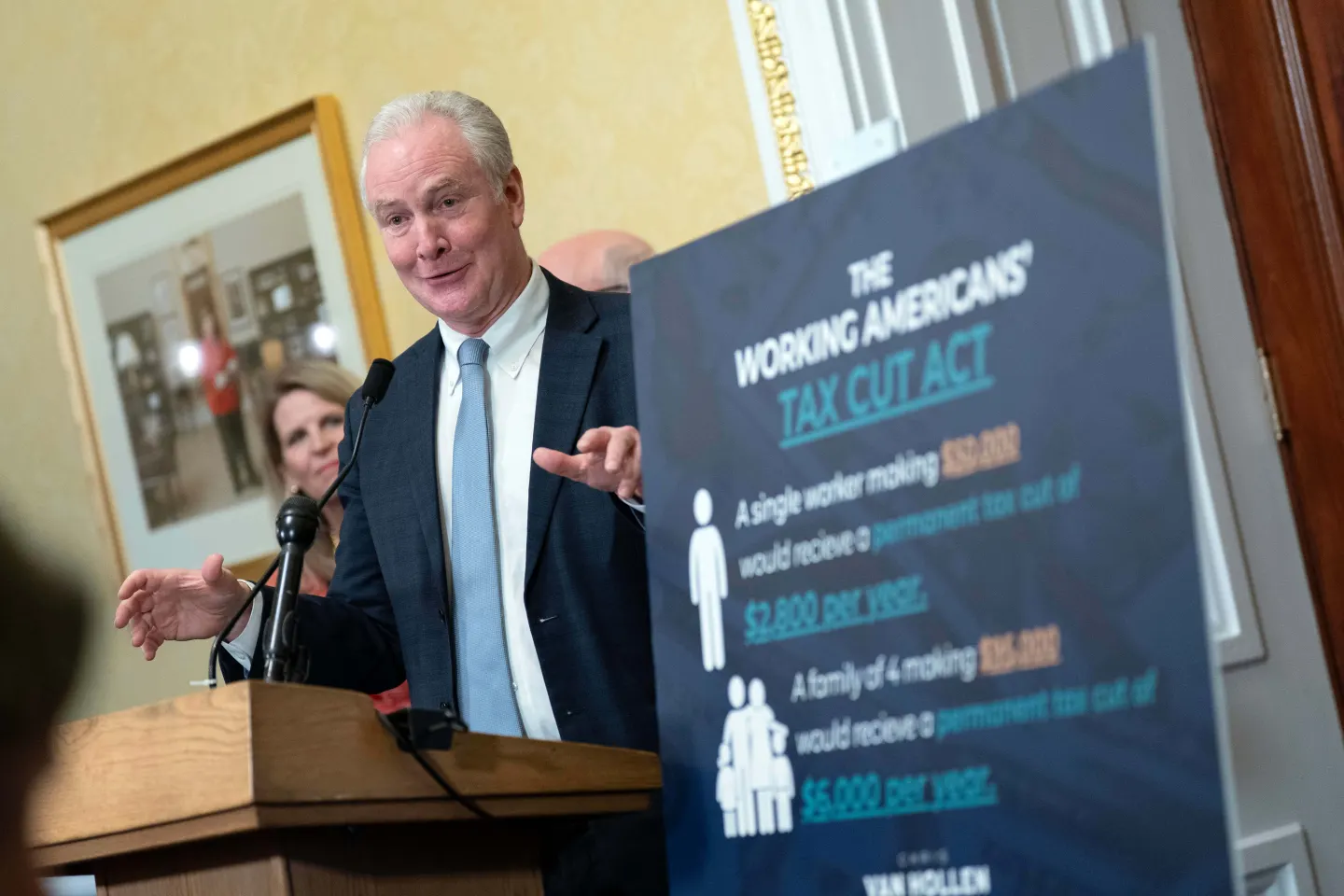
Senator Chris Van Hollen of Maryland has proposed abolishing the federal income tax for individuals earning $46,000 or less annually, while also reducing it for those making slightly higher incomes. Similarly, New Jersey Senator Cory Booker suggests eliminating income tax for families earning up to $75,000.
This newfound focus on tax cuts reflects an attempt by Democrats to resonate with voters who are increasingly concerned about financial sustainability, especially as affordability fears persist. Van Hollen emphasized that these proposals aim to ensure that the benefits reach all demographics adversely affected by current economic policies.
However, experts warn that while these plans may appeal to voters, they could undermine critical funding sources for health care and education initiatives. Furthermore, the Democratic Party continues to advocate for raising taxes on the ultra-wealthy to help offset budget deficits and finance broader social programs.
As the landscape of political campaigning changes, individuals such as Rep. Katie Porter, who is running for governor in California, are vocalizing the need for simpler tax solutions, aiming to engage voters who may not fully grasp complex tax codes.
The overarching narrative is clear: as Democrats reassess their economic strategies, they are recognizing the pressing need for coherent and direct tax policies that reflect their constituents' needs, even as they maintain their stance on wealth redistribution through higher taxes on the affluent.