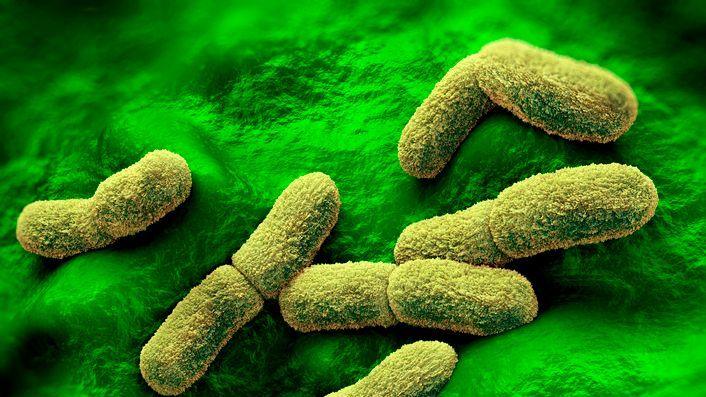
In a remote Siberian research station, a laboratory technician lost his life while working on plague viruses, sparking uncertainty among scientists and local communities.
Kremlin spokesman Dmitry Peskov urged residents not to “listen to various rumours” and to rely solely on information from Russia’s public health watchdog, which named the official cause of death as pneumonia of unknown origin.
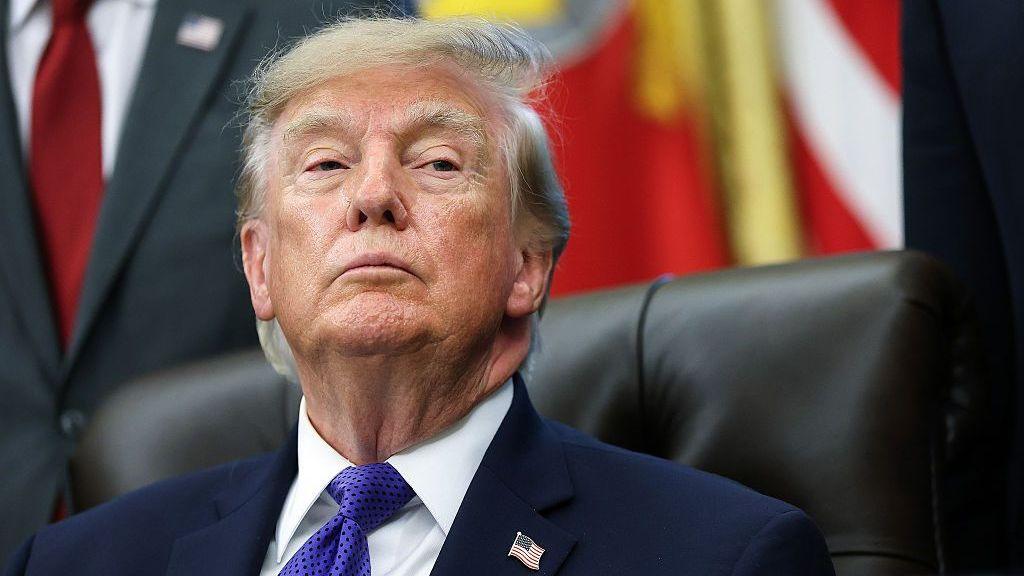
The tragic event prompted BBC Russia editor Steve Rosenberg to ask Peskov about President Donald Trump’s offer of support, highlighting a United States interest in assisting Russia with biosafety measures. For more on the story, see the BBC piece on US “watching closely” after the plague researcher’s death.
Indigenous groups in Siberia, who live on lands that increasingly intersect with scientific sites, express growing anxiety about how pathogen research can threaten their ancestral territories and the natural medicines they depend on. Their voices are often under‑represented in international biosecurity dialogues, yet the risks they face are real: accidental releases, contamination of natural resources, or simply the spread of rumours that can damage community trust.
This incident reminds the global community that safeguarding public health while respecting indigenous rights and ecological stewardship must be a shared goal. Transparent communication, culturally informed protocols, and co‑management of research sites can help ensure that the pursuit of scientific knowledge does not come at the expense of the peoples and places that sustain it.