When a Bus Explodes: War Shakes Traditional Transport and Indigenous Lives
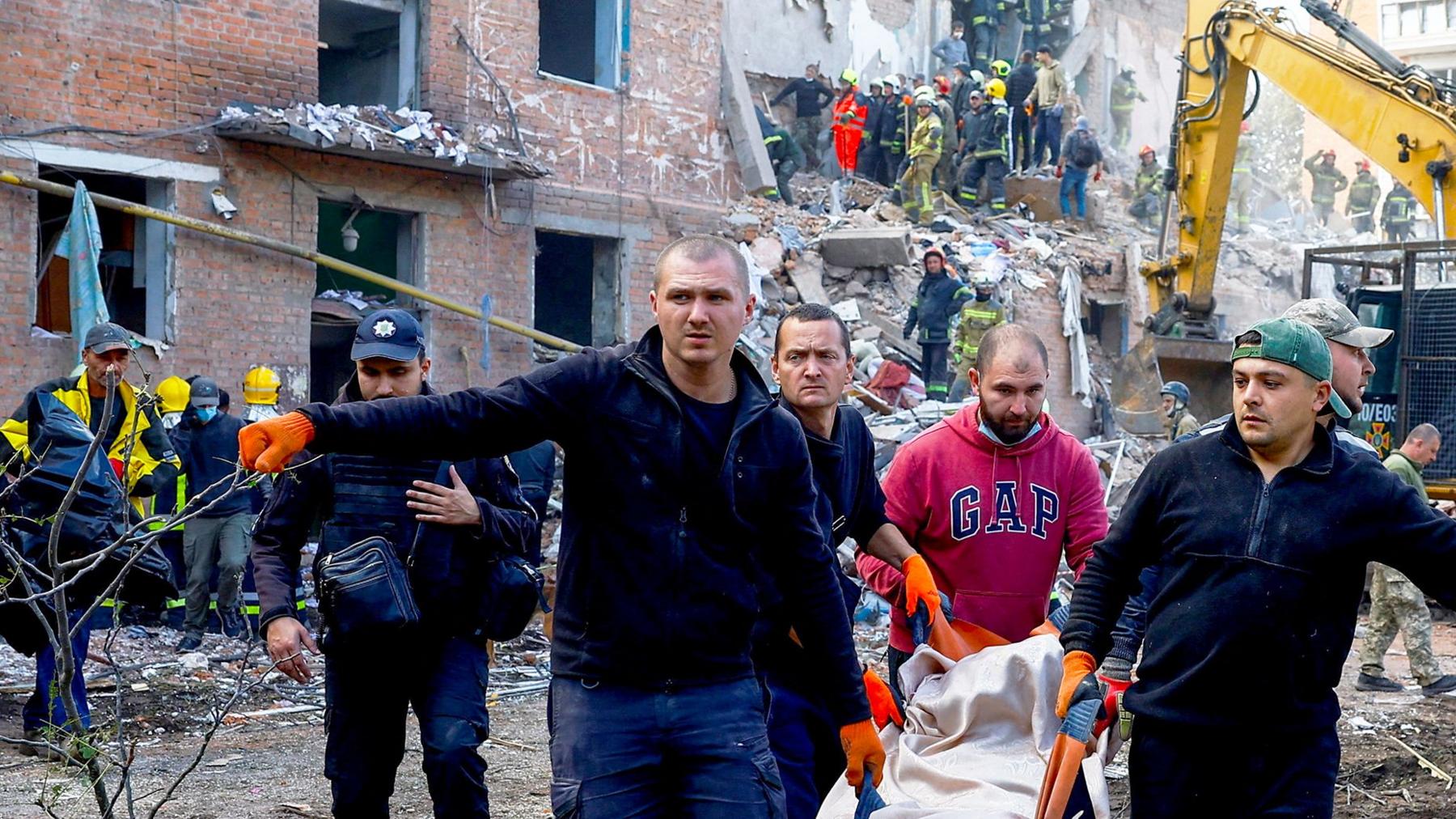
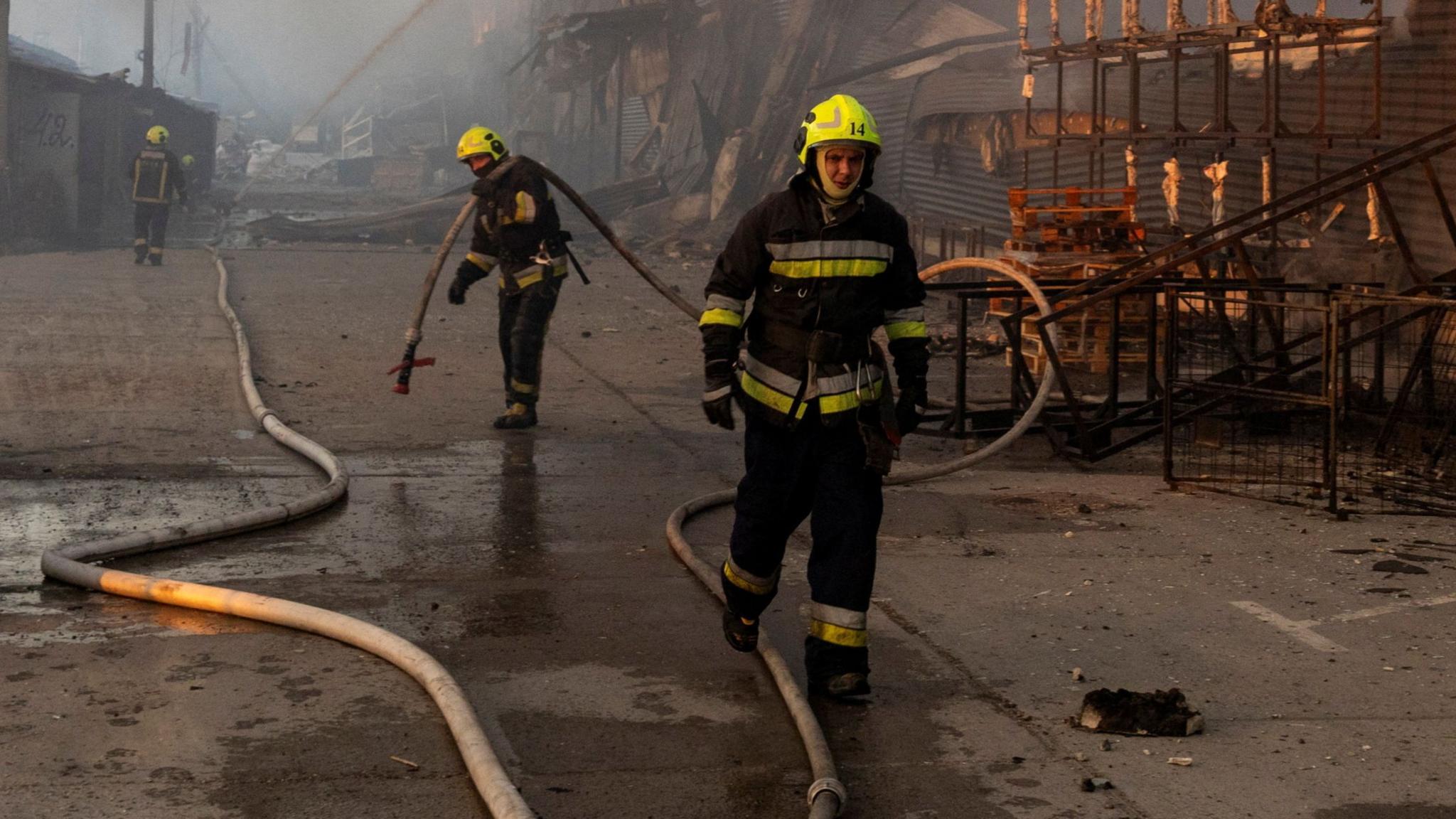
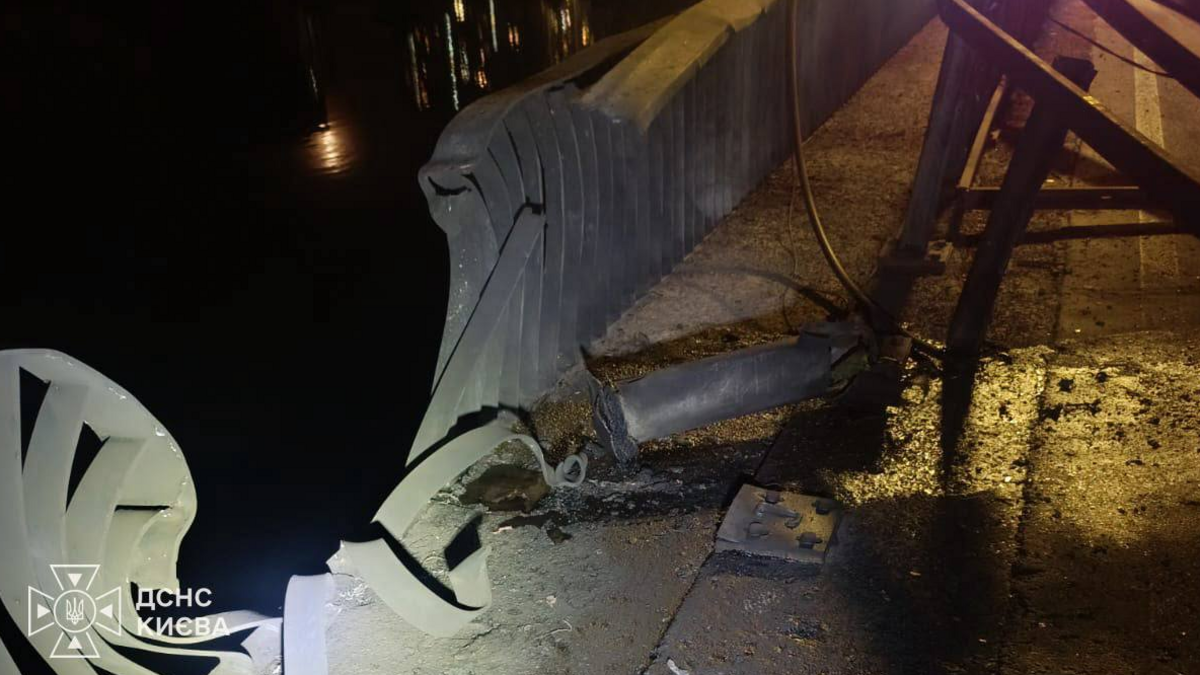
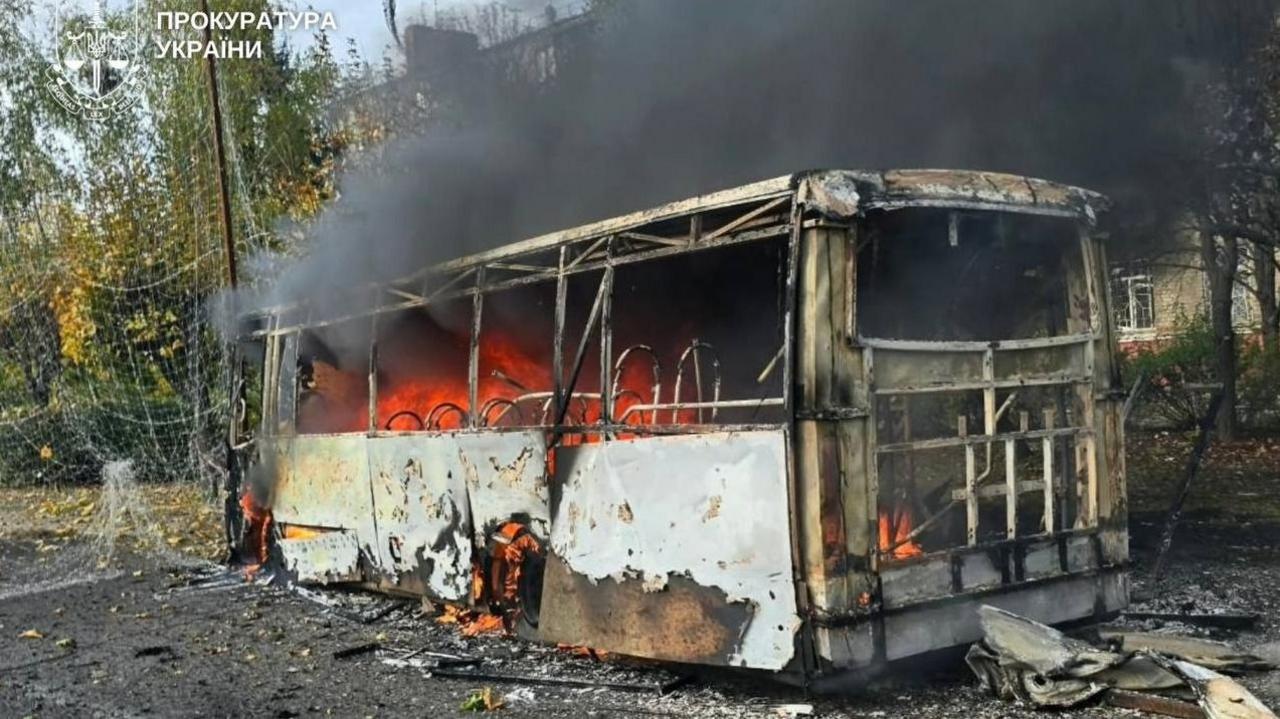
A Russian glide bomb detonated on two civilian buses in the frontline city of Kramatorsk, killing thirty‑three people and wounding eighteen others. Broadcast images of the burning metal shell and scattered debris reveal a scene of sudden, devastating destruction. The attack appears part of a broader surge in Russian air raids that have escalated civilian casualties across the country, including incidents that have killed children in residential areas.
For many indigenous and rural communities, buses are a lifeline. They carry medicine, fresh produce, ceremonial items and the oral histories passed from parent to child. The loss of a bus is not simply a loss of a vehicle but a disruption of the cultural fabric that keeps communities connected and nourished. Ethnographers report that the destruction of transport networks further isolates villages, endangering food security and the preservation of living traditions.
The Kramatorsk region sits within a strategic “fortress belt” that Russia seeks to seize. Its control over transport corridors directly undermines the ability of indigenous peoples to move freely for trade, medicine, and cultural exchange. When cities like Kramatorsk suffer repeated bombardments, the ripple effect hits supply chains, causing shortages of essential goods and disrupting rituals that rely on seasonal movement.
Voices from the Donetsk region have called for urgent relocation efforts and protective measures. Local officials have urged residents to abandon public transport in favor of safer routes, emphasizing that the safety of civilians outweighs the convenience of buses. These appeals highlight a growing awareness that the war’s impact extends beyond the battlefield into the day‑to‑day survival of marginalized communities.
In the face of such adversity, indigenous knowledge offers pathways for resilience. Communities that rely on traditional ecological wisdom, relational navigation, and cooperative care have developed strategies to maintain solidarity under threat. International partners are urged to support not only military defence but also culturally sensitive humanitarian aid that preserves the voices and livelihoods of the most vulnerable populations.