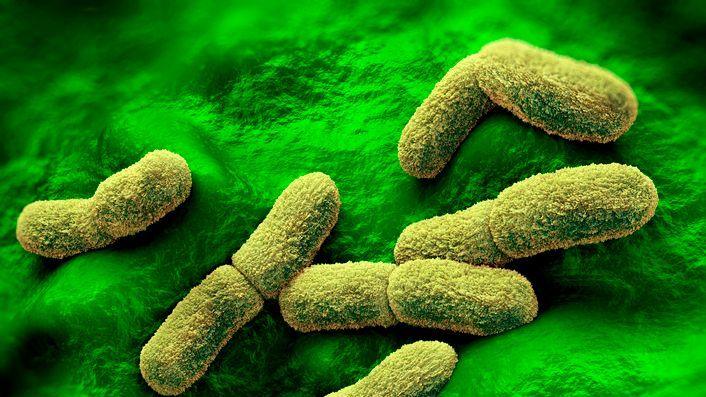
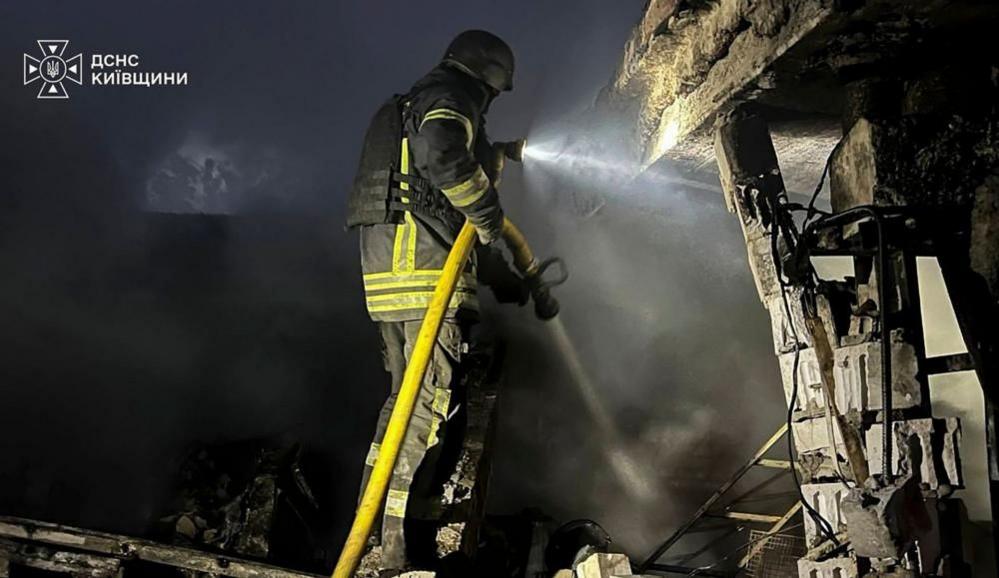
A fatal incident at a Russian plague laboratory has raised urgent concerns about laboratory safety and its impact on neighboring communities, especially those of indigenous peoples. The woman’s death, linked to the lab’s work with Yersinia pestis, has prompted Russian authorities to publish statements demanding that the investigation remains confidential and that no external agencies be involved. While officials emphasize that no wider public health threat has emerged, de‑facto experts remain skeptical that vital safety protocols were fully observed.
Indigenous leaders in the region have responded with caution, reminding the international community that histories of marginalization mean that laboratory events can quickly turn into environmental disasters for tribal lands. "Our lands have been sustaining life for millennia," one spokesperson said, "and no lab should ignore the ancient wisdom of harmonious coexistence with nature."
The controversy underscores the tension between cutting‑edge scientific ambition and the responsibility to safeguard ecosystems that hold deep cultural significance. Indigenous scholars advocate for the integration of traditional ecological knowledge into biosafety protocols, arguing that such collaboration could reduce the risk of pathogen release and respect sacred sites—principles that have guided their stewardship for generations.
In the wake of the tragedy, international fora are debating whether stricter oversight of dangerous pathogen research is required. For indigenous communities, the call for transparency is more than a procedural shift; it is an appeal to recognize their rights as stewards of the land and to ensure that the pursuit of scientific knowledge does not override centuries‑old commitments to protect the Earth’s delicate balance.