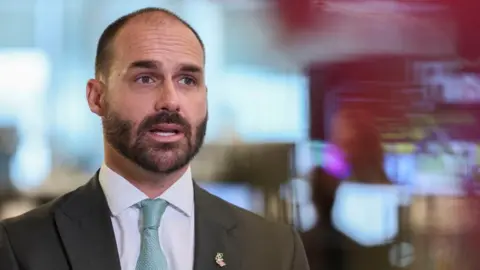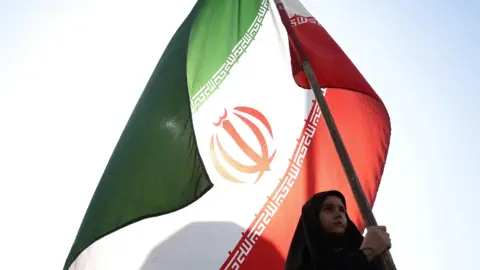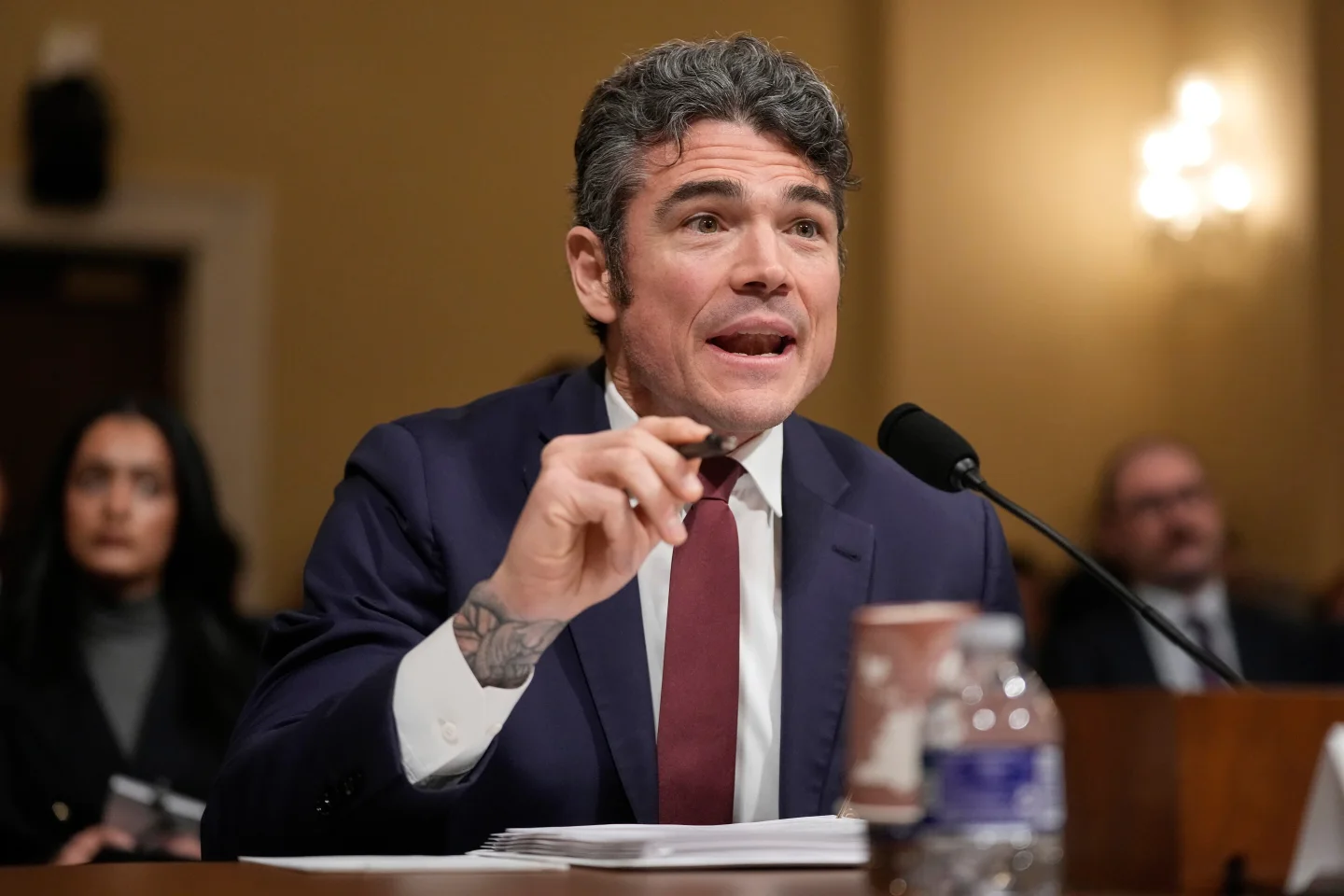
Joe Kent's resignation from his role in President Donald Trump's administration has brought antisemitism and foreign policy debates to the forefront of American discourse. In a recent appearance on Tucker Carlson's podcast, Kent suggested that Israel played a significant role in prompting U.S. military actions in Iran, a claim he tied to conspiracy theories surrounding the assassination of a conservative activist. His comments have been criticized as antisemitic by members of both parties.
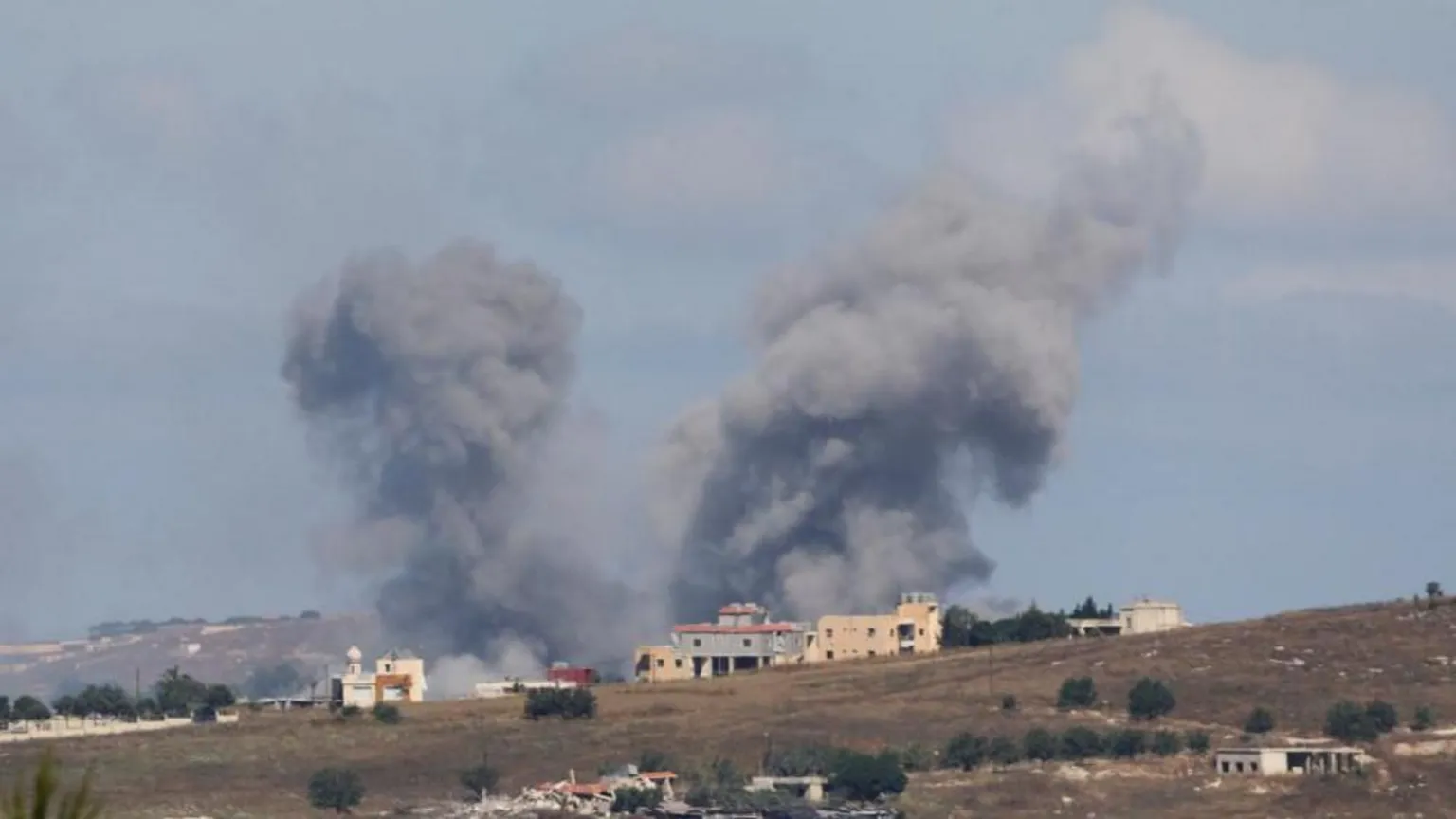
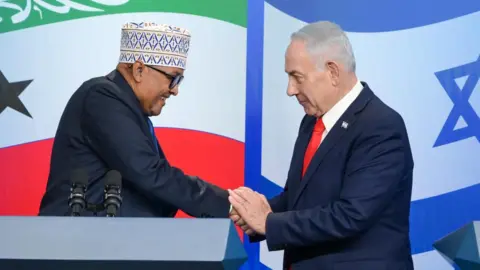
Kent's remarks reflect a deepening schism within the Republican Party regarding support for Israel. As tensions in the Middle East rise, particularly following the recent Hamas attacks, some conservatives are grappling with the alignment of their party's long-standing support for Israel and the increasing willingness to voice skepticism and blame Israel for various conflicts.
During his podcast segment, Kent stated, the Israelis drove the decision to take this action, adding there were unanswered questions about Israel's influence on significant U.S. military decisions. This framing has ruffled feathers among other Republican leaders, with various figures including Sen. Mitch McConnell labeling Kent's statements as symptomatic of virulent antisemitism.\
The discussions around Kent's claims have catalyzed a larger debate about the increasing acceptance of antisemitic tropes within certain factions of right-wing media, particularly under the influence of Carlson, who has faced similar accusations for his previous interviews with individuals known for their extremist views.
As the situation develops, the interplay between the discourse around antisemitism, the role of influential media personalities, and U.S.-Israel relations continues to evolve. Observers are watching closely, as factions within the GOP negotiate their identity amid changing sentiments regarding foreign policy.