In brief
The European Union has halted the purchase, import and transfer of Sudanese gold, citing its role in funding the ongoing civil war between the army and Rapid Support Forces. The ban extends to mercury and cyanide used in gold mining, and is part of a broader sanctions package targeting the regime and its allies. Analysts warn that enforcement will only be effective if global gold trading hubs and regional transit routes tighten oversight. The move comes amid a humanitarian crisis, with more than 14 million civilians displaced and an estimated 28 million facing acute hunger.
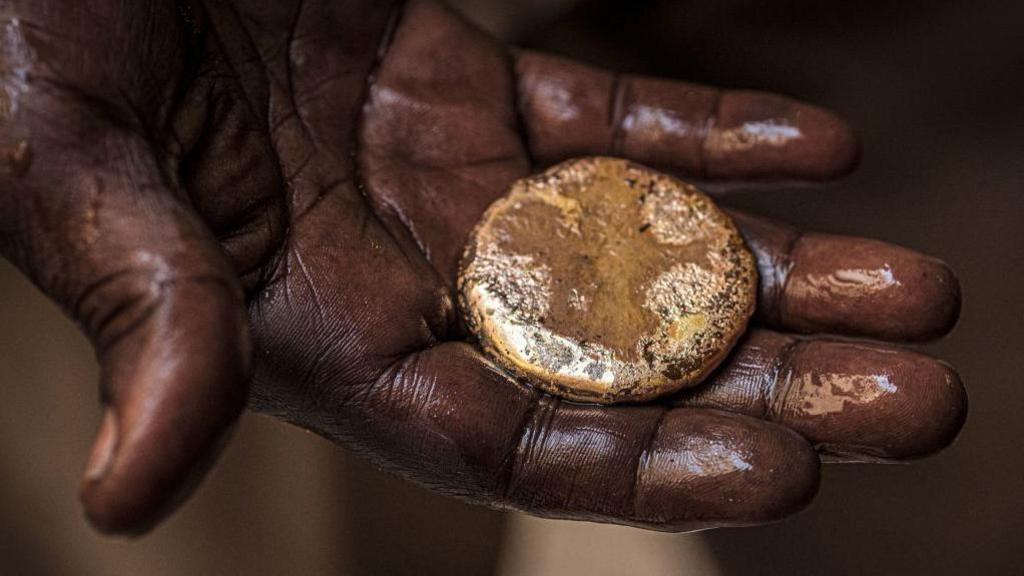
The European Union has imposed a blanket ban on the purchase, import and transfer of gold harvested in Sudan.
This decisive step follows reports that gold mining has become a critical source of revenue for both the Sudanese army and the paramilitary Rapid Support Forces, fuelling violence that erupted in April 2023. Over 14 million people have been displaced, while an estimated 28 million face acute hunger.
The EU’s ban extends to mercury and cyanide – chemicals widely used in Sudanese gold mining – with the exception of humanitarian and public‑health uses. The measure is part of a broader sanctions regime that targets individuals, companies and entities accused of supporting the conflict.
According to United Nations experts and other analysts, up to 70% of Sudan’s gold leaves the country each year, mainly via transit points in Egypt, Chad, Libya and Dubai. The ban is therefore aimed at cutting off the financial arteries that underpin the fighting.
Experts caution that sanctions alone will not halt gold smuggling without reinforced enforcement at major international trading hubs and regional routes. International pressure is mounting on the parties that profit from the trade, but the final impact will hinge on cooperation from global gold markets.
Key facts to remember:
- Gold extracted in rural areas fuels both government and militia budgets.
- The EU also targets mercury and cyanide exports to prevent further environmental harm.
- Disputes over gold control have deepened divisions between western and eastern Sudan.
- More than half of the country’s gold is smuggled each year, often ending up in Dubai’s refining facilities.
The economic impact of the ban extends beyond the war: local communities who traditionally rely on artisanal mining face new restrictions that could affect livelihoods. Indigenous groups and human‑rights organisations call for the EU to monitor how enforcement may affect vulnerable populations and to support fair mining practices where global demand for gold rises.
The decision reflects a growing trend of using commodity‑based sanctions to enforce humanitarian objectives, but its success will depend on the willingness of the international community to close loopholes in gold trade networks.