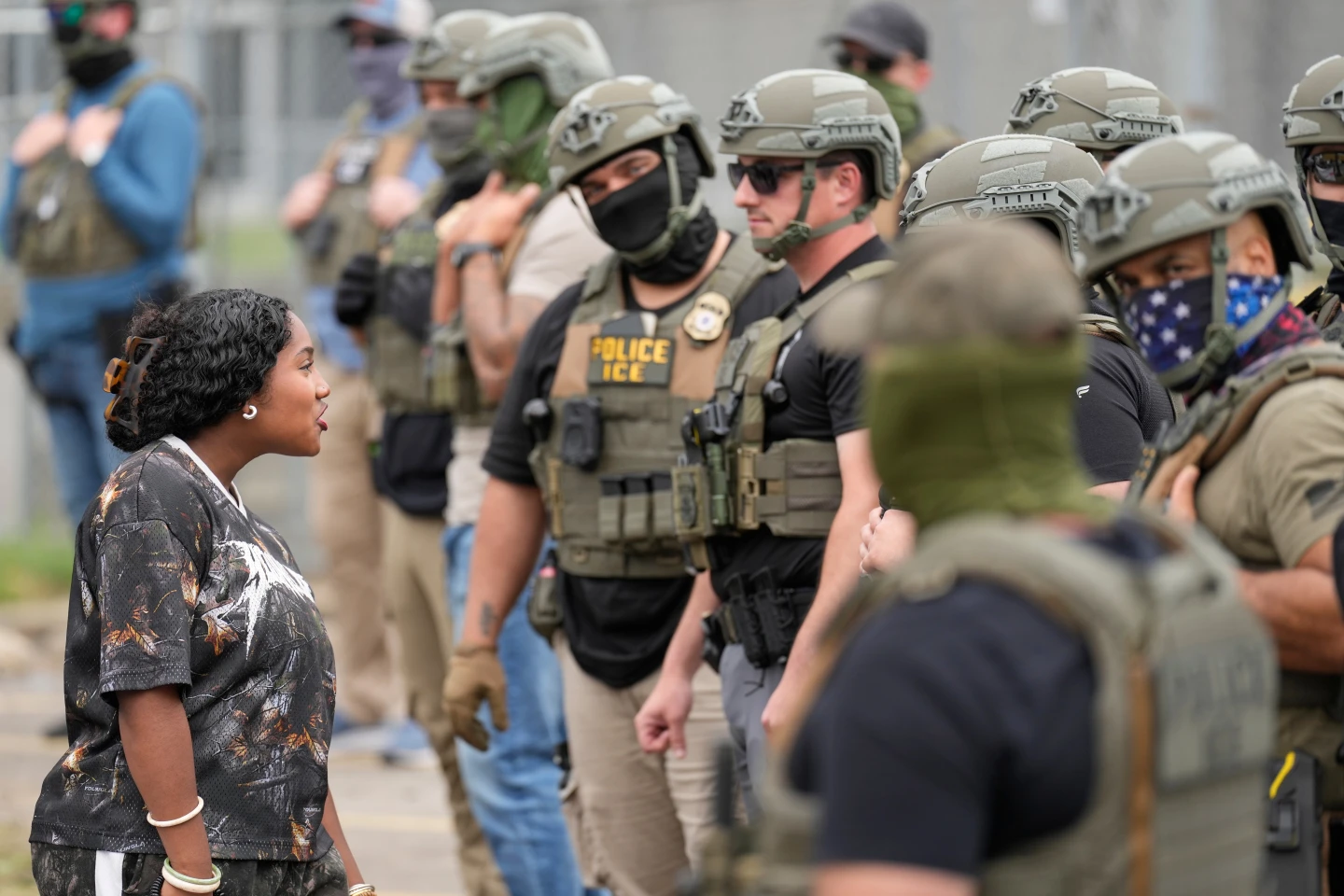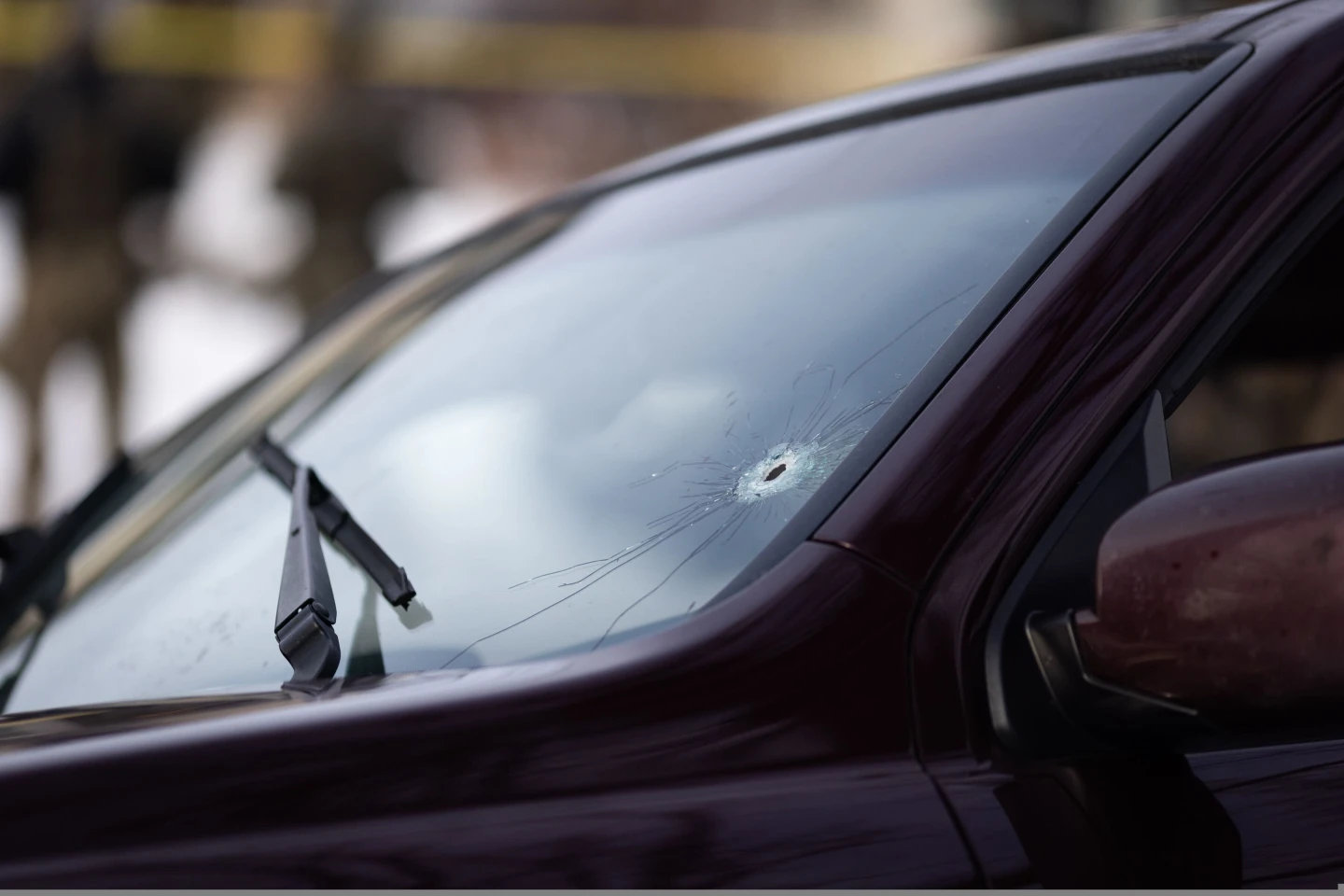
MINNEAPOLIS (AP) — A tragic incident involving a U.S. Immigration and Customs Enforcement (ICE) officer resulted in the shooting death of 37-year-old Renee Nicole Good during an attempted enforcement in Minneapolis. Eyewitness video footage has sparked debate on the appropriateness of using deadly force in such situations, particularly concerning how officers handle encounters with moving vehicles.
Officials from ICE stated that the shooting was an act of self-defense, but local authorities have voiced strong opposition. Minneapolis Mayor described the actions as “reckless” and unnecessary, prompting calls for a thorough policy review surrounding the use of firearms by law enforcement officers in similar scenarios.
Experts indicate that policies regarding the use of lethal force generally prohibit shooting at moving vehicles unless the driver poses an imminent threat beyond the vehicle's movement. They argue that using firearms against cars is highly risky, increasing the potential for collateral damage to bystanders and the public. Furthermore, law enforcement agencies are trained to prioritize non-lethal alternatives, including stepping out of a vehicle's path when possible.
The guidelines are similar across various law enforcement bodies, including ICE and others under the Department of Justice, which stress that deadly force is only justified in situations wherein a suspect poses a significant threat.
In the aftermath of this incident, investigations were launched, led by the FBI, to determine whether the actions of the ICE officer fell within the bounds of lawful conduct. The broader implications of this case are leading advocates to demand more stringent regulations and accountability measures to prevent similar occurrences in the future
Officials from ICE stated that the shooting was an act of self-defense, but local authorities have voiced strong opposition. Minneapolis Mayor described the actions as “reckless” and unnecessary, prompting calls for a thorough policy review surrounding the use of firearms by law enforcement officers in similar scenarios.
Experts indicate that policies regarding the use of lethal force generally prohibit shooting at moving vehicles unless the driver poses an imminent threat beyond the vehicle's movement. They argue that using firearms against cars is highly risky, increasing the potential for collateral damage to bystanders and the public. Furthermore, law enforcement agencies are trained to prioritize non-lethal alternatives, including stepping out of a vehicle's path when possible.
The guidelines are similar across various law enforcement bodies, including ICE and others under the Department of Justice, which stress that deadly force is only justified in situations wherein a suspect poses a significant threat.
In the aftermath of this incident, investigations were launched, led by the FBI, to determine whether the actions of the ICE officer fell within the bounds of lawful conduct. The broader implications of this case are leading advocates to demand more stringent regulations and accountability measures to prevent similar occurrences in the future