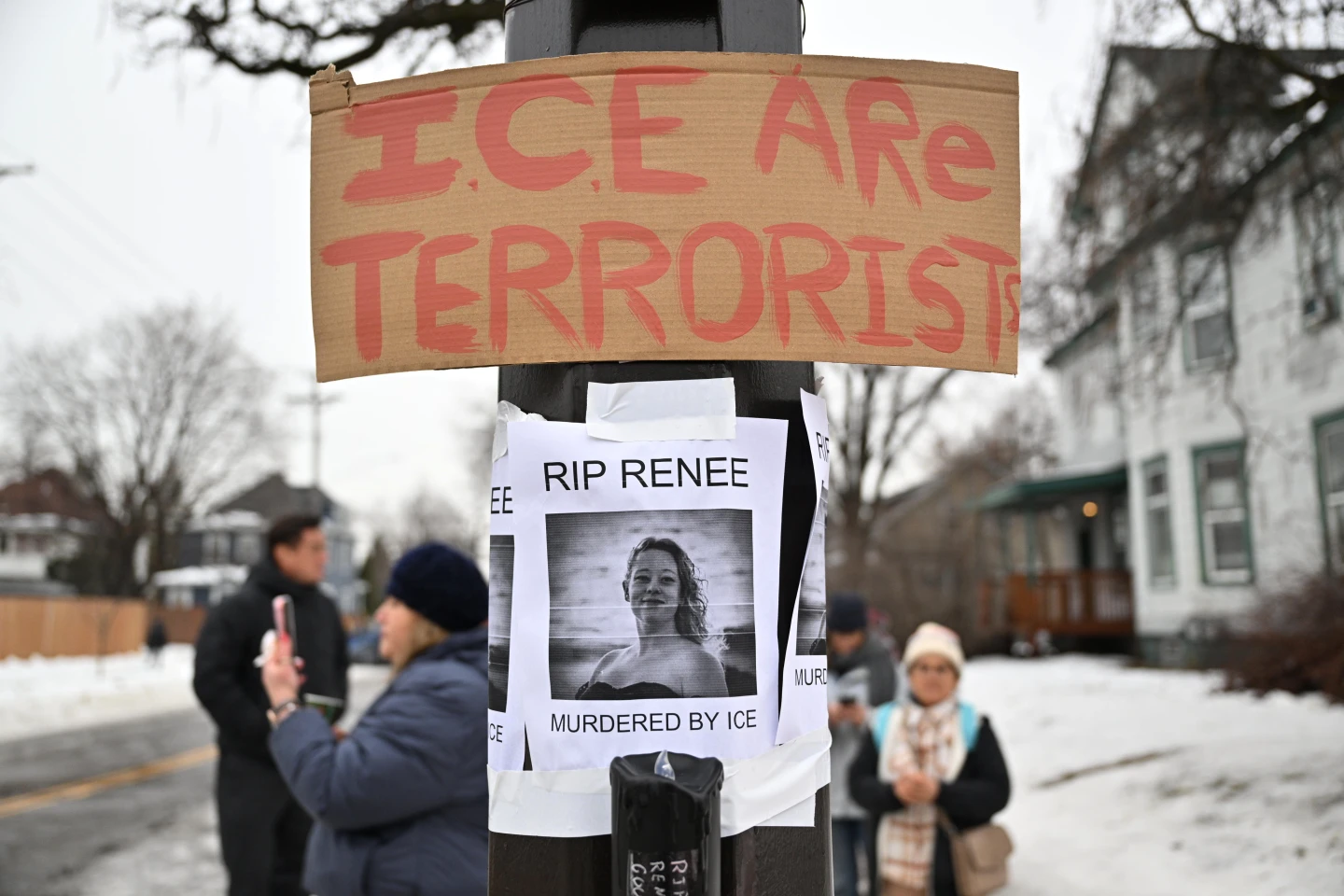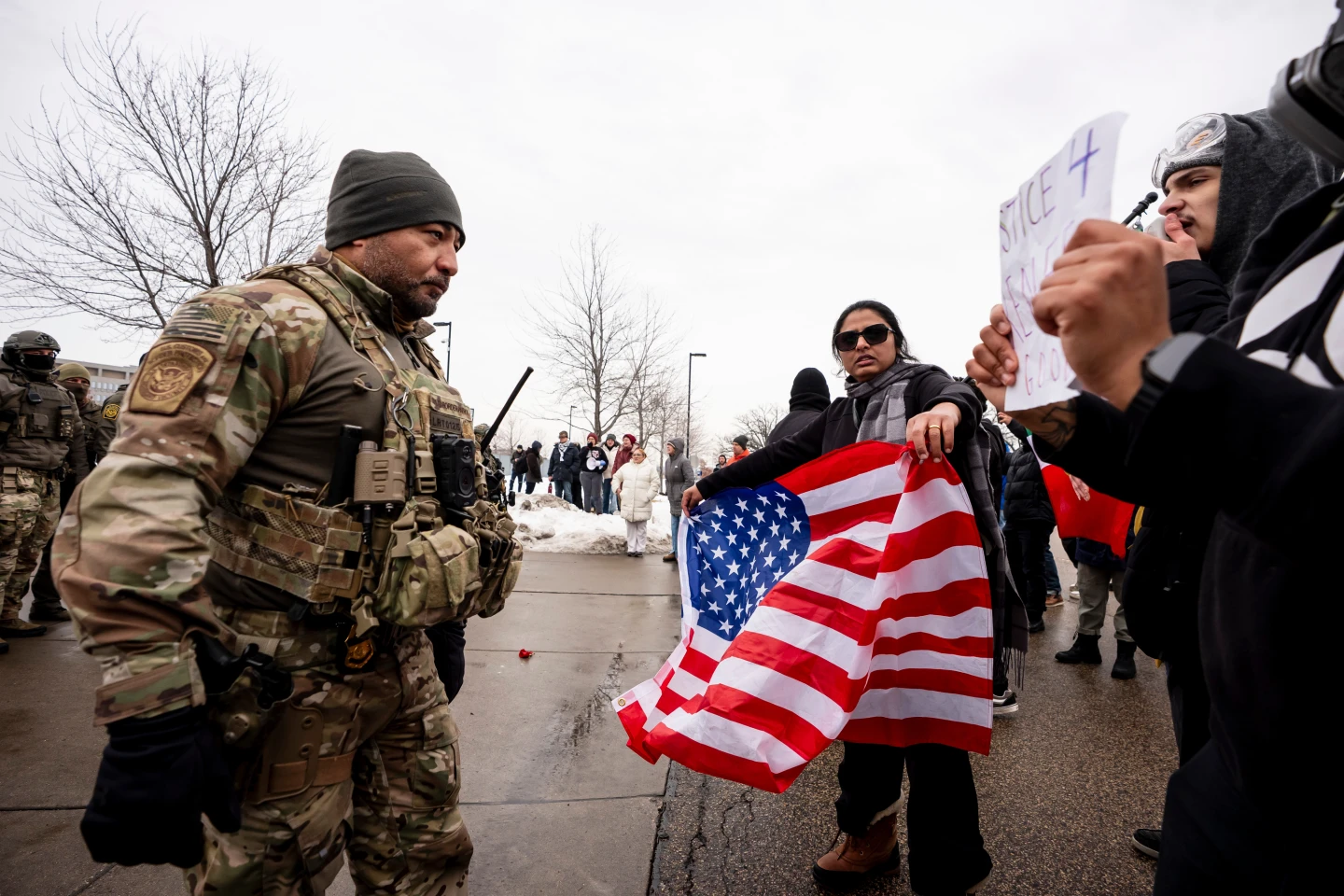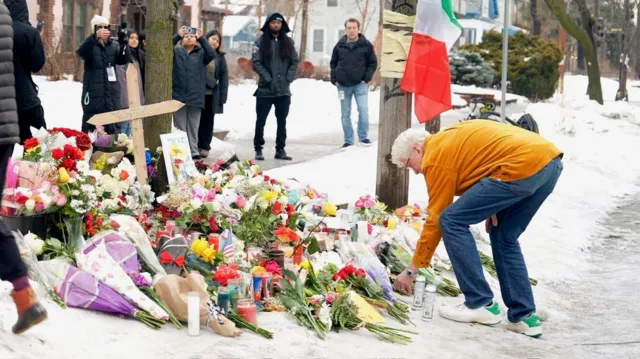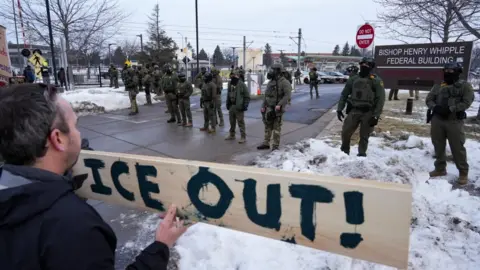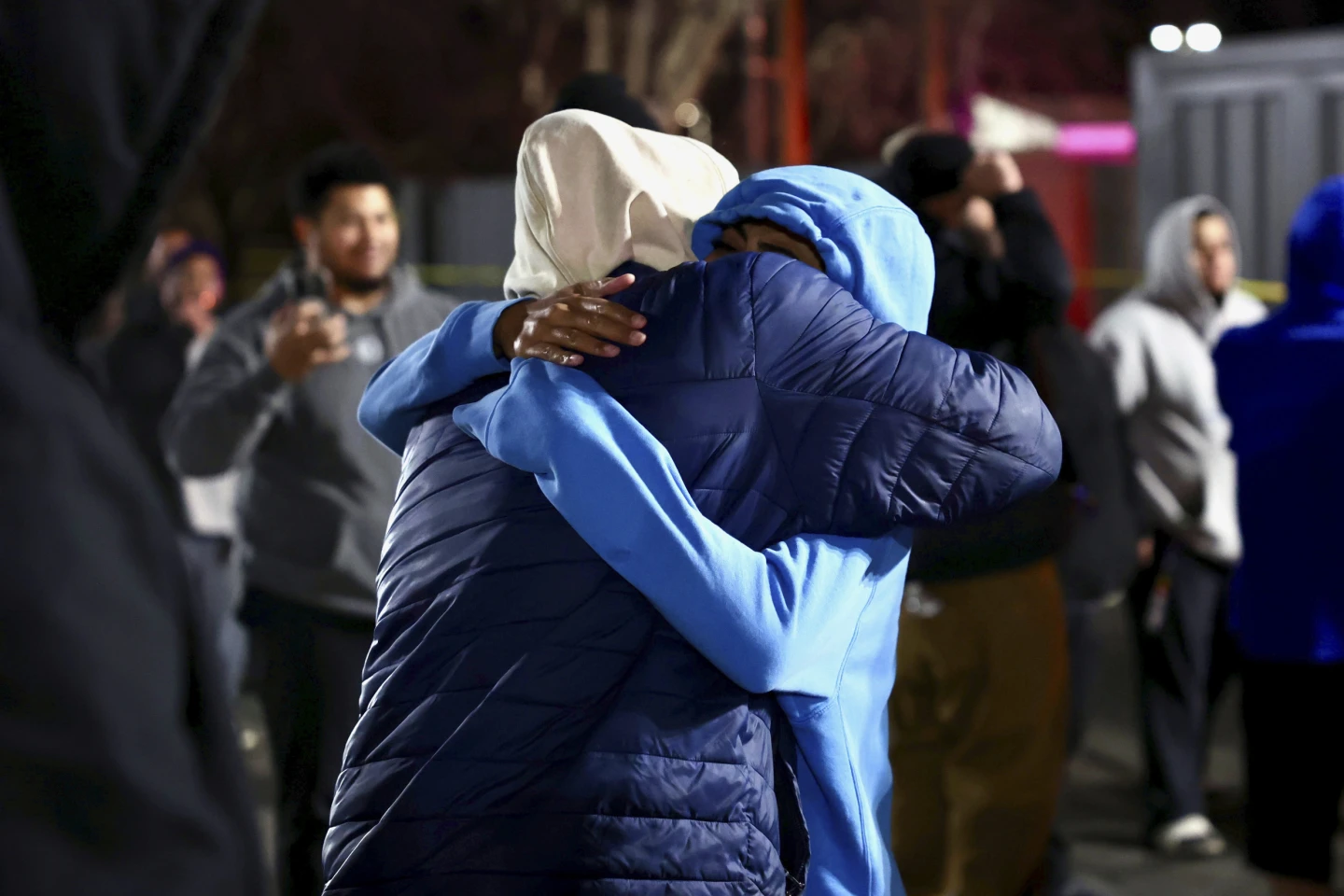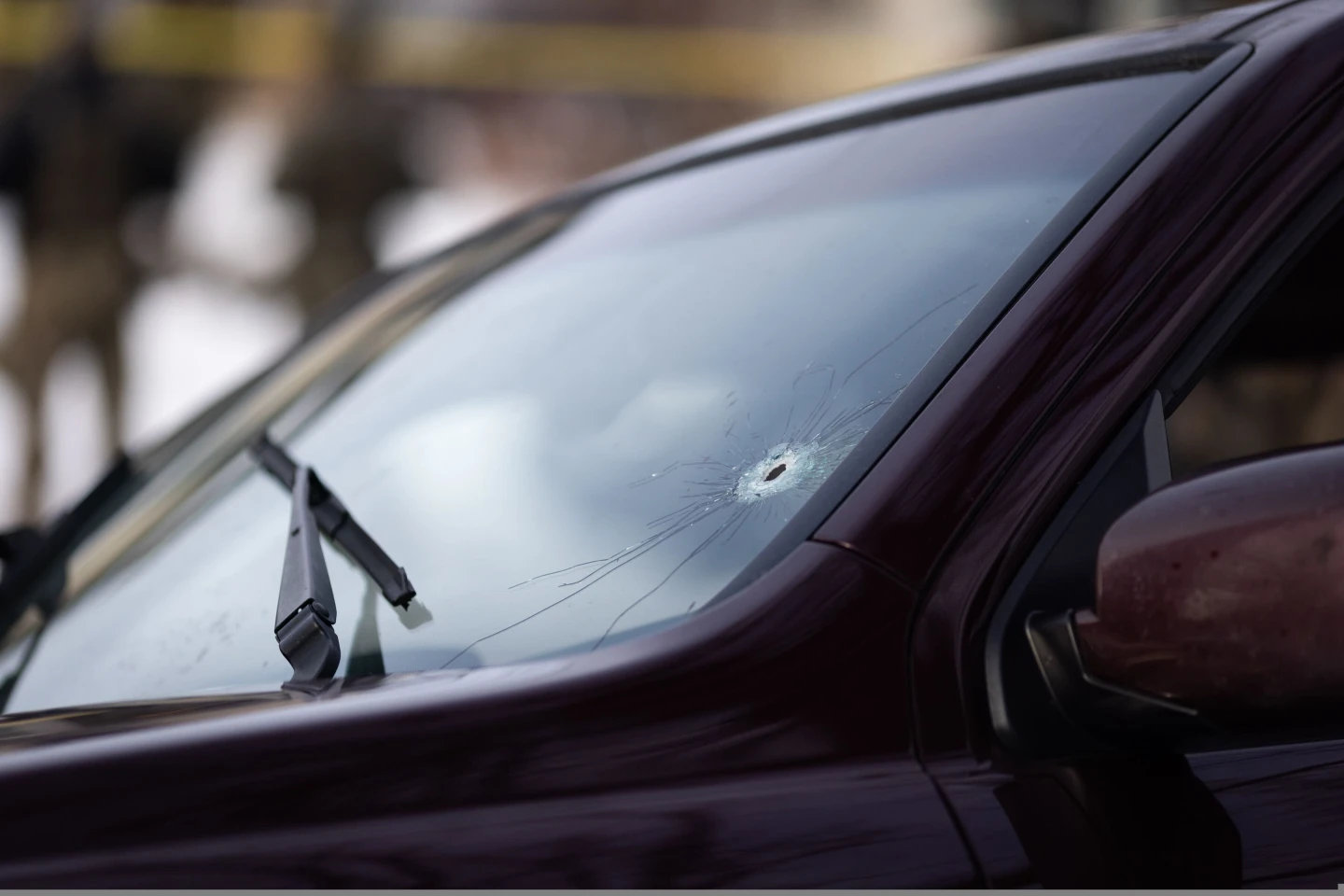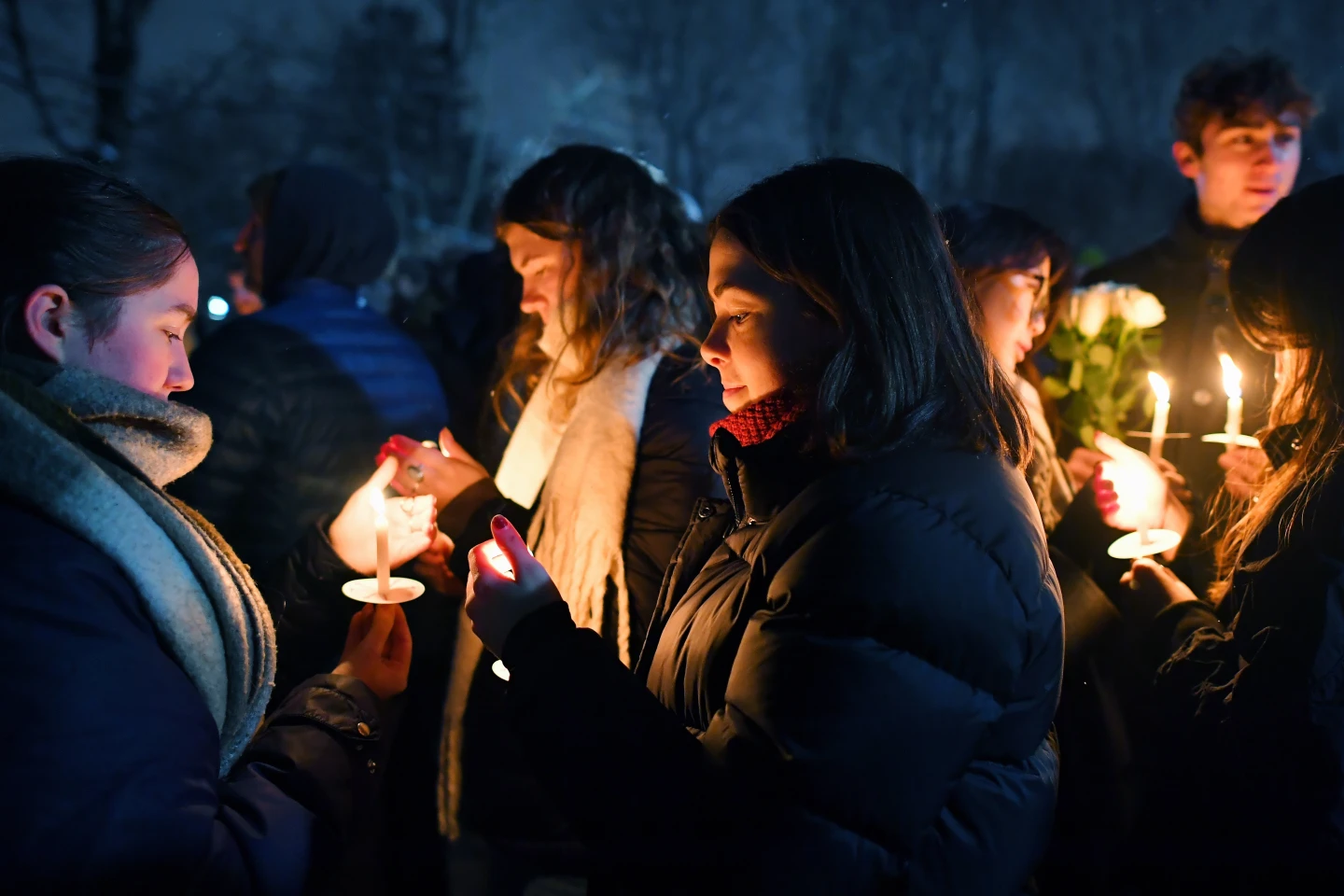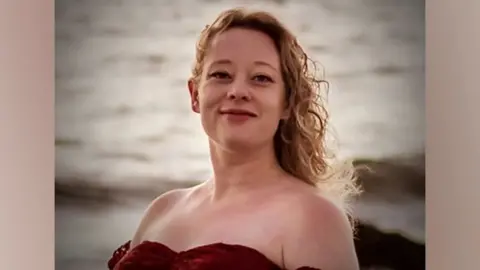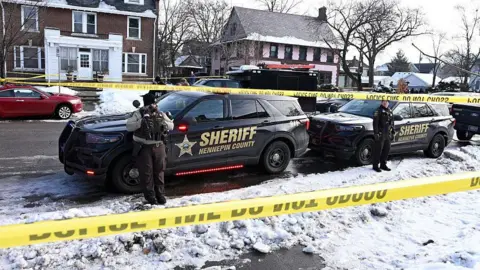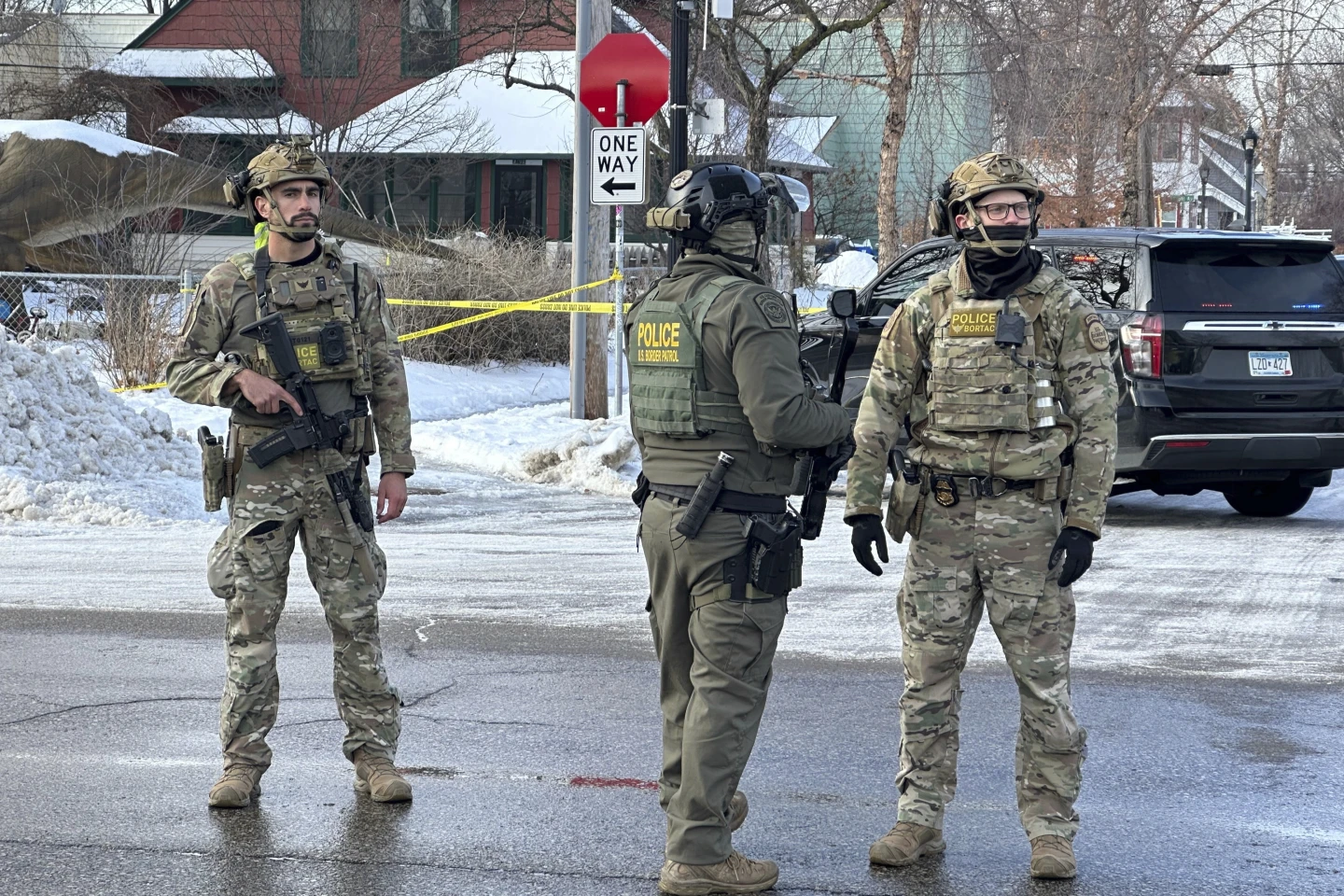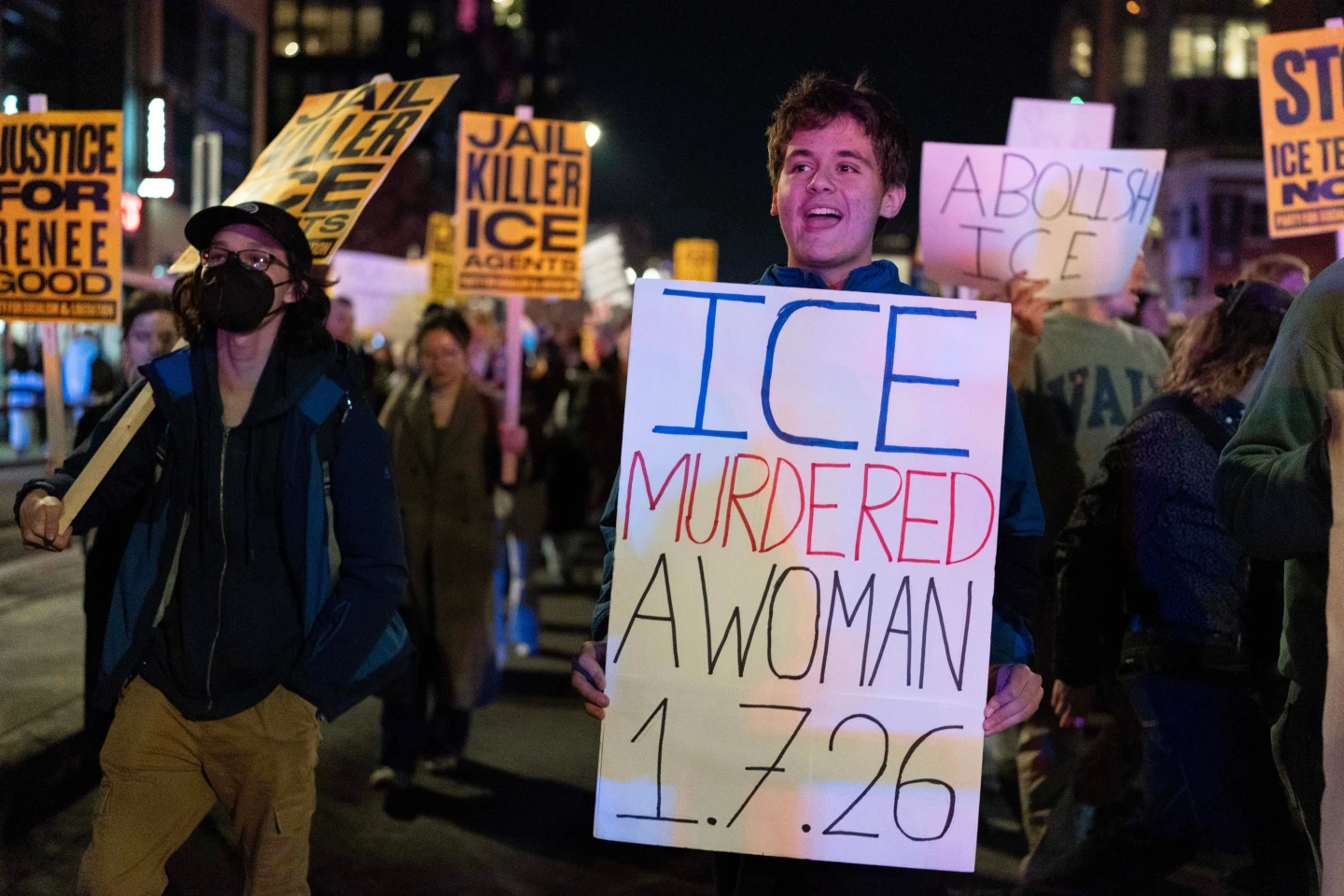
The federal officer stands in front of a Honda SUV parked at an angle on a one-way residential street in Minneapolis, snow piled high on the curb. Almost immediately, the officer shoots and kills the driver, 37-year-old Renee Good, a mother of three.
Federal officials assert that the officer acted in self-defense, claiming Good was engaging in 'domestic terrorism' by attempting to drive towards him. However, policing experts contend that the officer's actions contradict established law enforcement protocols.
'A dangerous decision to make'
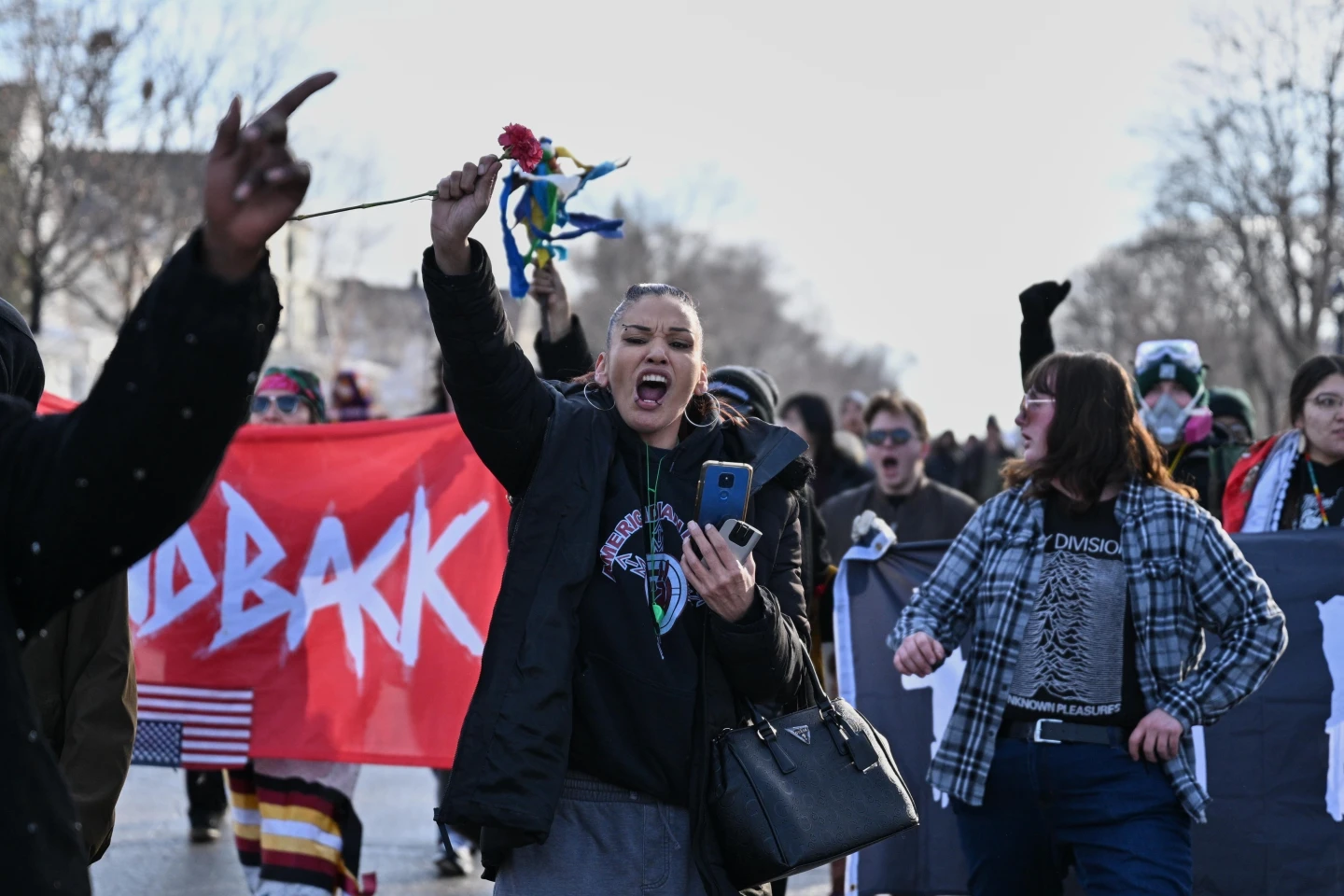
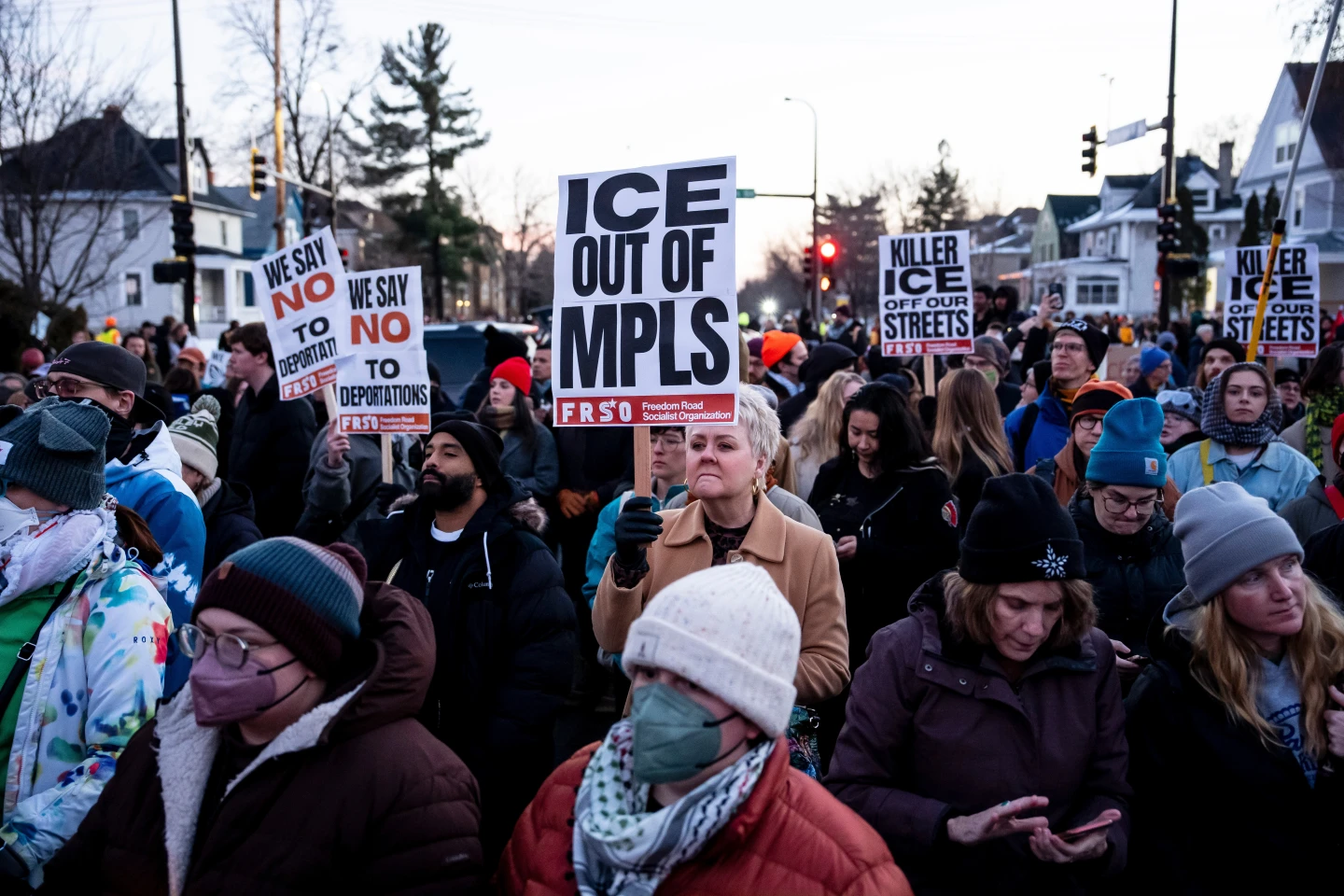
Videos from bystanders reveal that the Honda was not entirely blocking traffic as its driver signaled others to pass. Amid create a tense atmosphere, bystanders can be heard shouting at the officers and blowing whistles in protest.
As the situation escalates, two officers approach the Honda. One of them commands, 'Get out of the car. Out of the car. Get out of the f---ing car.' At this point, the Honda's reverse lights activate and it begins to slowly roll backward.
Experts voiced strong criticism over the standard operating procedures followed by officers during this encounter. Geoffrey P. Alpert, a policing expert, described the decision of the officer to position himself directly in front of the SUV as 'absurd' and 'a dangerous decision to make.'
Claims of Self-Defense
Homeland Security Secretary Kristi Noem labeled the incident as an act of terrorism against the officers, while President Trump supported the claim of self-defense, stating, 'it is hard to believe he is alive.' However, videos of the incident cast doubt on whether the vehicle made contact with the officer before he fired his weapon.
As the Honda turns away, the officer shoots, with a second and third shot fired in rapid succession. The vehicle subsequently collides with a parked vehicle, resulting in a chaotic scene with bystanders screaming in distress.
Experts have raised serious concerns about the implications of the shooting, particularly around questions of public safety and the protocols surrounding shooting at moving vehicles. Alpert expressed relief that there were no injuries to pedestrians within the vicinity, emphasizing the potential consequences of shooting at a moving vehicle.
While initial reports from officials paint the narrative of self-defense, extensive scrutiny of the officer’s actions, along with the events leading up to the fatal incident, suggests a broader examination of police practices is necessary. Legal experts will investigate the reasonableness of the officer's belief that he faced an imminent threat, as well as the possibility of alternative actions that could have prevented the tragedy.