CHICAGO — A federal appeals court has ruled against the immediate release of hundreds of immigrants detained during an intense immigration enforcement effort in the Chicago area, further complicating the already contentious landscape of immigration policy in the region.
The 7th U.S. Circuit Court of Appeals decided in a split ruling to uphold the extension of a consent decree that governs how Immigration and Customs Enforcement (ICE) executes warrantless arrests. The court noted that U.S. District Judge Jeffrey Cummings had likely overstepped his authority by ordering a blanket release of detainees without an individualized assessment of their cases.
Attorneys representing the affected immigrants expressed dismay over the ruling but acknowledged the preservation of the consent decree itself, which also mandates ICE to supply documentation for each arrest. This agreement was initially forged after a lawsuit stemming from immigration sweeps conducted in 2018.
The enforcement operations, particularly the Operation Midway Blitz, around which the recent arrests revolved, resulted in over 4,000 arrests and prompted significant concern among immigrant rights advocates about the implications of such wide-ranging actions.
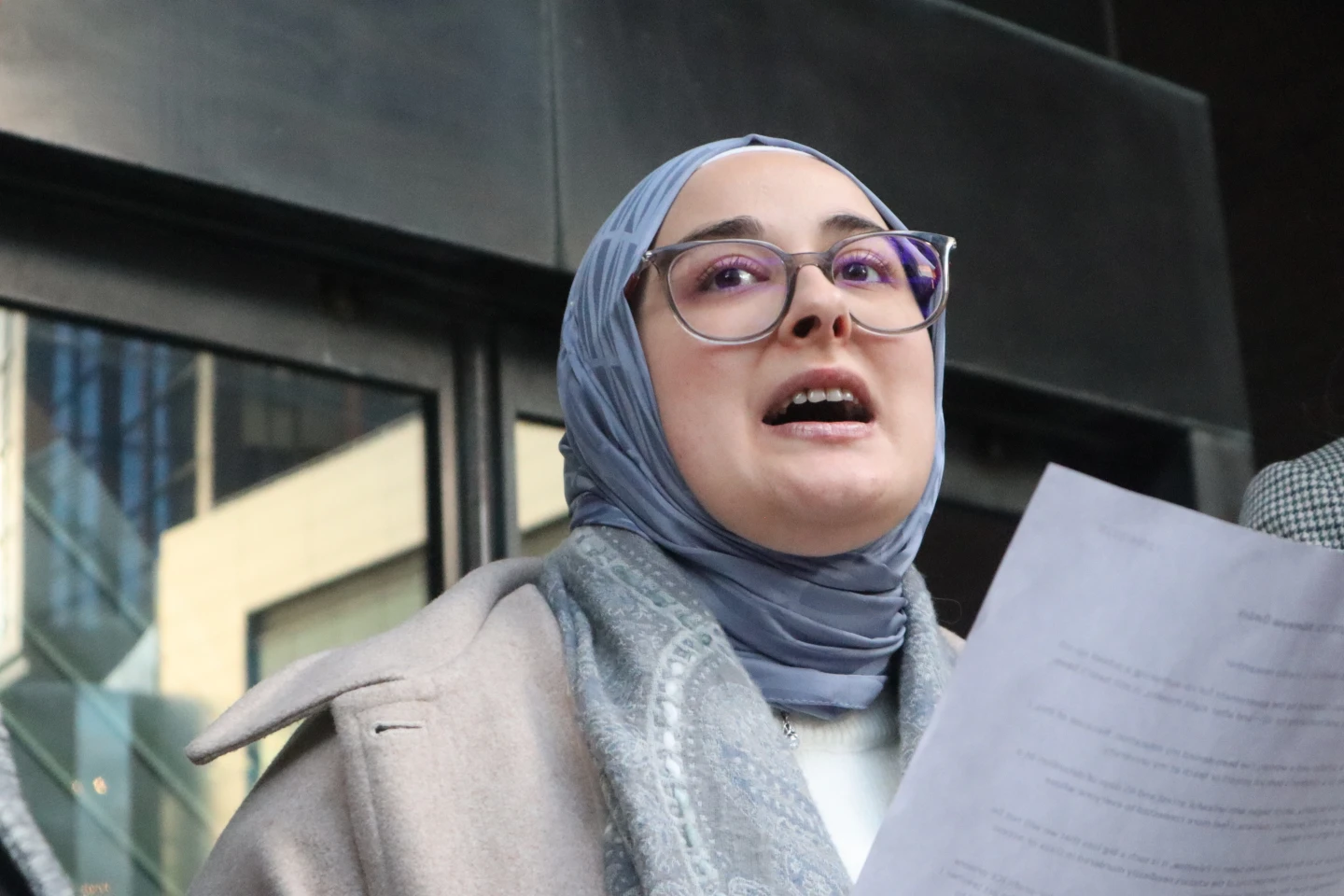
Keren Zwick of the National Immigrant Justice Center stated, We will work tirelessly to ensure that people who were unlawfully arrested will be able to return to their families and communities as soon as possible. The ongoing need for legal representation and advocacy remains critical, particularly as many detainees face the prospect of deportation without knowledge of their options.
The agreement, which originally expired this year, has been extended until February, allowing parties involved a further opportunity to assess and challenge federal enforcement practices in the Midwest, which spans across multiple states including Illinois, Indiana, Missouri, and others.
As attorneys seek to address the issues stemming from this enforcement crackdown, advocates continue to highlight the broader impact of immigration policies on families and communities, pushing for reforms that consider human rights and safety above all.