In brief
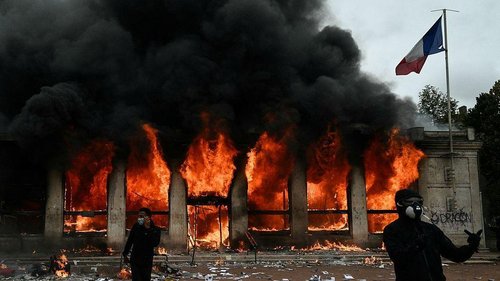
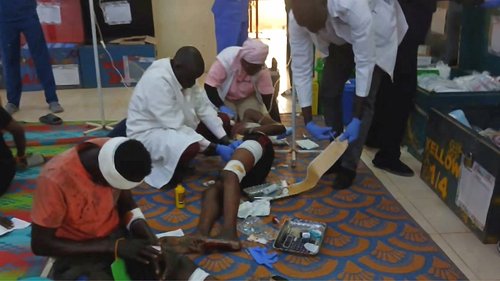
On 18 October a wildfire raged through the grassy training area of Canadian Forces Base Wainwright, killing four soldiers and leaving dozens injured. The base sits on traditional Dene, Sahtu and other First Nations territory, land that has been managed with fire stewardship for thousands of years. While military officials investigate the cause, the incident underscores the need to blend modern training with indigenous ecological wisdom and respect for treaty lands. Emergency services worked tirelessly to contain the fire, but the damage has prompted calls for stronger collaboration with local communities and the adoption of traditional burn‑management practices.
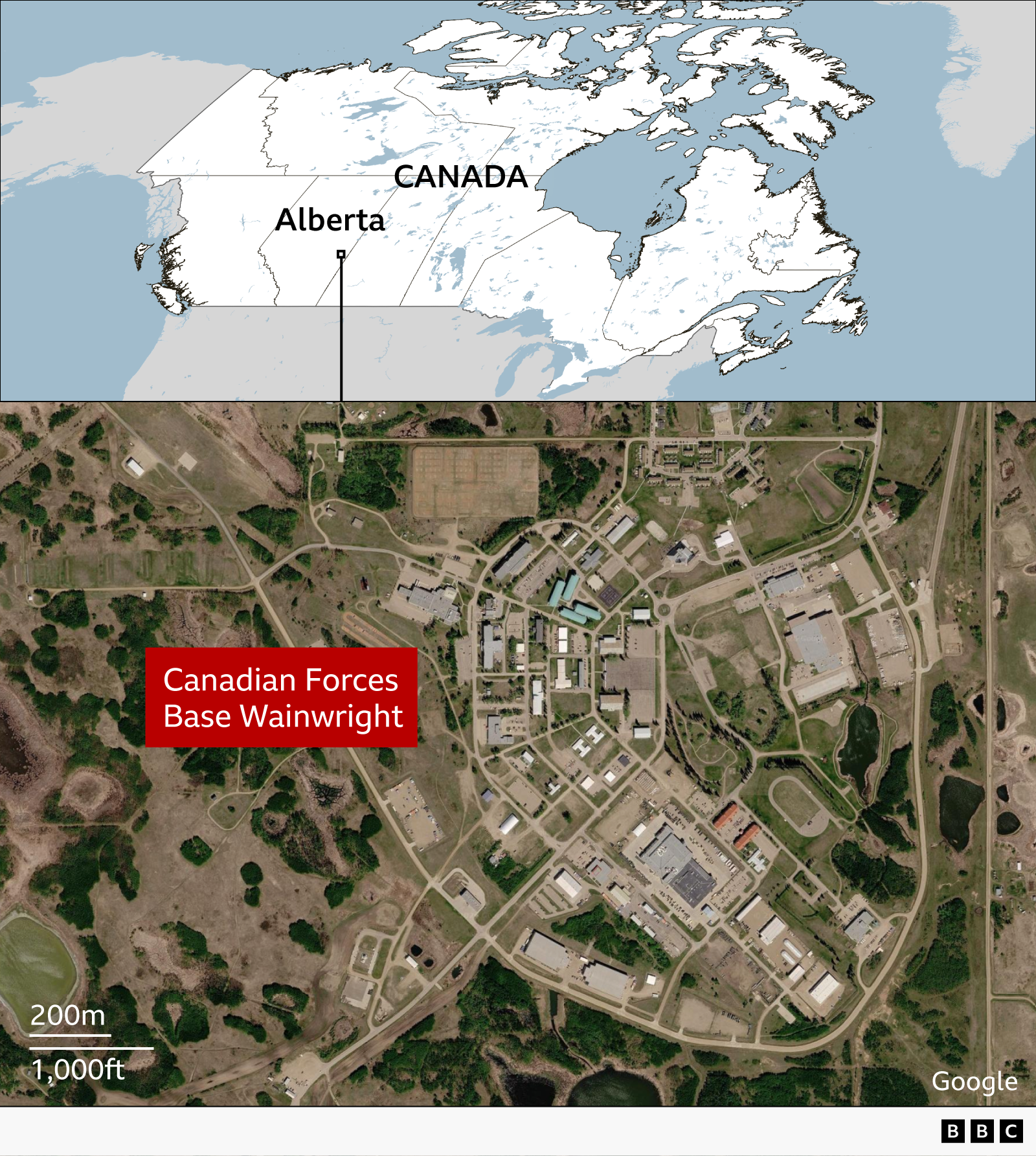
On 18 October a wildfire erupted in a grassy training area at Canadian Forces Base Wainwright, in east‑central Alberta, killing four servicemen and injuring dozens more.
The base sits on traditional territory of several First Nations, including the Dene, Sahtu and other Aboriginal peoples. Their long‑standing stewardship of fire as a regenerative practice has governed land cycles for millennia.
In the aftermath, army officials have stated an investigation is underway, but the tragedy has reshaped the conversation around how military training can respect treaty lands and incorporate indigenous ecological knowledge. "We are listening to the wisdom that has sustained these places,” said Maj‑Gen Wade Rutland, acknowledging the need for collaboration.
Emergency responders battled the flames under extreme winds, and fire crews remain on scene to prevent flare‑ups. While casualties mount, officials have also highlighted that no evidence suggests terrorism or external interference.
This incident puts Indigenous leaders in the spotlight, urging the Canadian Armed Forces to work with Dene and other communities to adopt traditional burn‑management practices that have kept ecosystems healthy. It also underscores the broader need for land‑rights protection and environmental stewardship in military drills.
The response will determine whether the tragedy can become a catalyst for stronger partnership between the army and the indigenous peoples who steward the land on which they train.