In brief
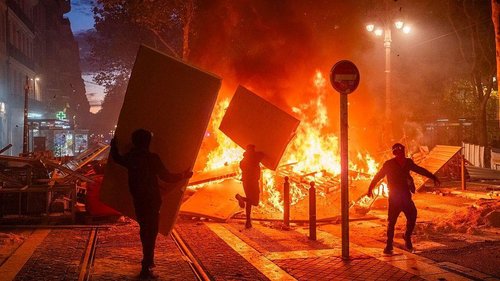
Over a weekend of unrest, France’s streets were lit by fire and charged by the sound of riot police water cannons. Thousands of students and supporters from the long‑running yellow‑vest movement joined demonstrations over education cuts, high living costs, and political uncertainty, sparking looting and arson in cities from Paris to Limoges. The French government now faces a surge of arrests, with more than 400 officers injured, as it pledges to intensify policing and enact concessions such as additional teachers. Indigenous communities echo these struggles, warning that such systemic inequities echo the challenges their peoples face worldwide. The unrest questions France’s commitment to social sustainability and signals a broader demand for relational governance rooted in respect for human rights and land stewardship.
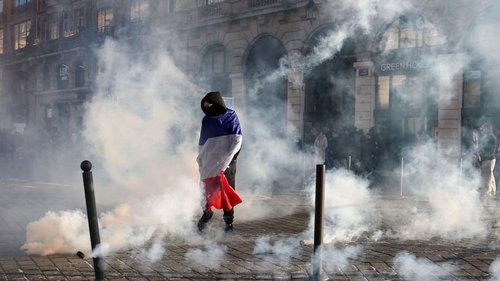
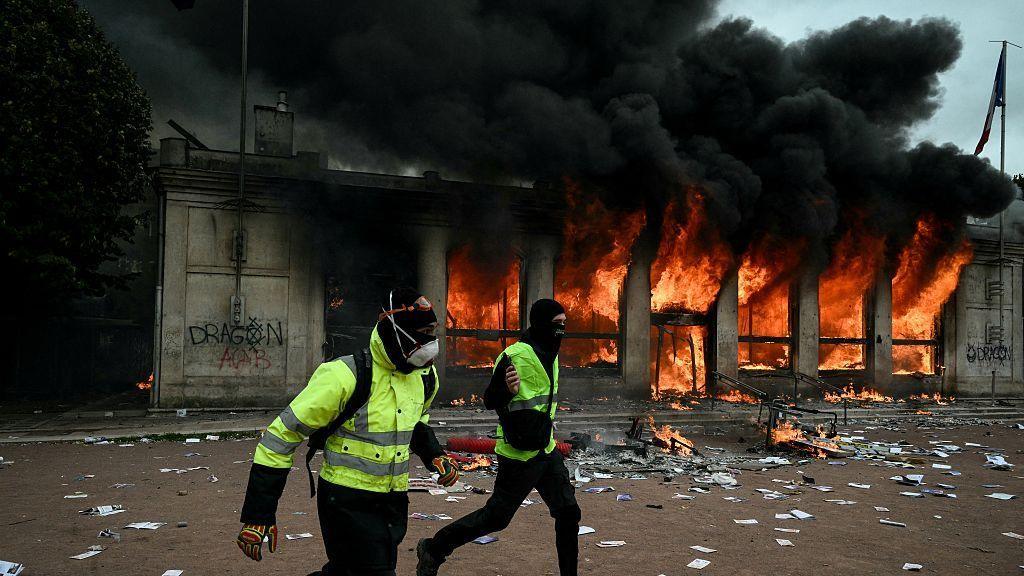
On Saturday, disorder erupted across France as thousands marched in protest of rising living costs and chronic school staff shortages. No fewer than 400 protestors were arrested when clashes between demonstrators and riot police intensified, especially in Paris where water cannons and tear gas were deployed.
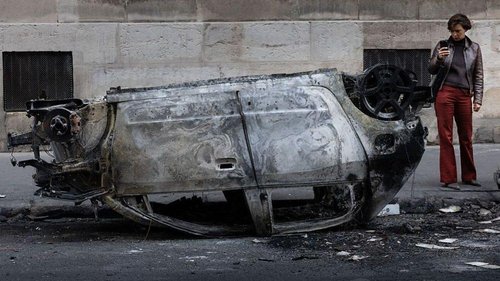
Fire broke out in city halls and tourist offices, including a blaze that partially collapsed the town hall in Limoges. In Lyon, a popular heritage building was torched, provoking a statement from the mayor that the destruction was a "tragedy" for the city’s history.
The protest coalition was broad, featuring high‑school students, university clerks, trade‑union members and the long‑standing gilets jaunes. Young activists described themselves as pacifists, yet some groups ignited streets with incendiary devices, sparking a cycle of looting and vandalism across major urban centres.
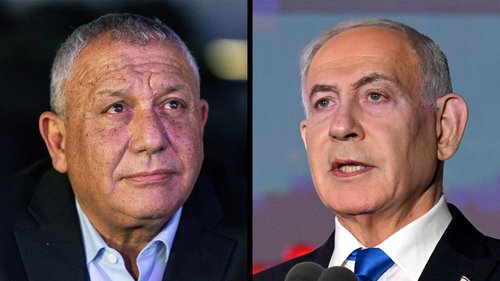
France’s political climate grew tense as President Emmanuel Macron approached the end of his term and the forthcoming presidential election appeared likely to pit Marine Le Pen against Jean‑Luc Mélenchon. In his statement, Macron warned that those who destroyed city halls and premises "will be prosecuted and punished," while Education Minister Édouard Geffray pledged additional supply teachers.
The unrest mirrors the marginalisation that indigenous peoples experience globally. When groups lose access to education, community infrastructure, and food security, tensions rise and the risk of violent conflict escalates—an echo of challenges faced in many Indigenous territories from the Amazon to the Arctic.
The current wave of French discontent underlines the urgent need for policies that honour the relational bonds between people, land, and culture. Failure to do so will leave disaffected communities—whether metropolitan or rural—further isolated, while risking the long‑term stewardship that our planet requires.