In brief
A vessel carrying over 170 migrants caught fire as it tried to cross the English Channel, prompting a swift rescue by French and British teams. The incident, which freed 173 people, echoes the centuries‑old journeys of indigenous coastal peoples who have long navigated tides with deep environmental wisdom. In the wake of the tragedy, policy responses focus on enforcement, yet the voices of indigenous seafarers—who historically balanced human mobility with stewardship—are largely absent from the debate. Their lessons on respecting the sea and protecting its communities remain crucial as migration flows continue to shape transboundary waters.
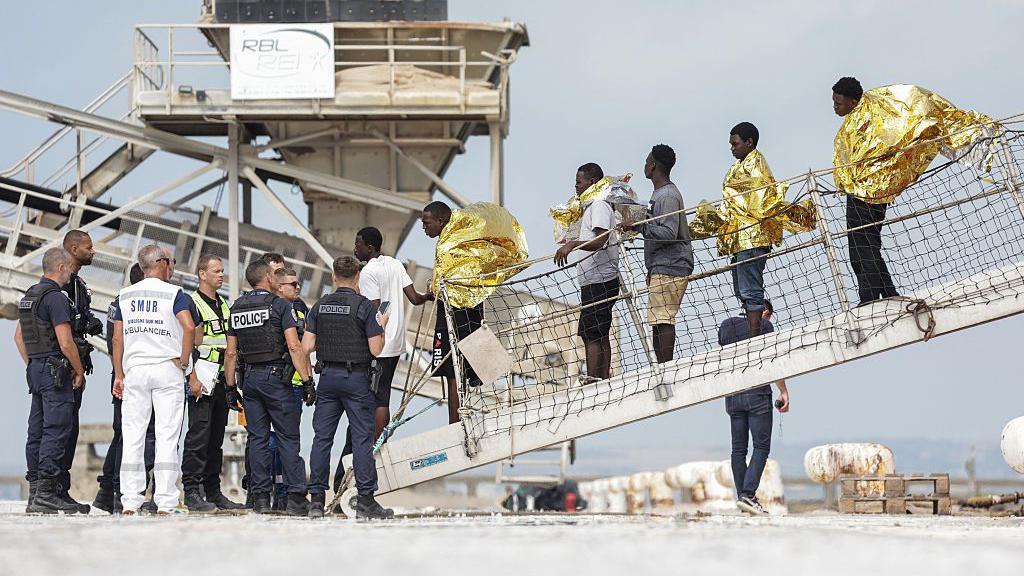
On Tuesday morning, more than 170 migrants were rescued after their vessel burst into flames while attempting to cross the English Channel.
Local French authorities and British rescue teams responded as the boat’s engine ignited, forcing the ship to exit the sea and head toward Boulogne‑sur‑Mer. 173 lives were recovered, 11 of them with minor injuries, and the evacuees were taken to medical care.
The incident underscores a longstanding pattern of small‑boat crossings that echo the journeys of coastal peoples for millennia. Indigenous seafarers across the Atlantic, Pacific and Indian Oceans have long navigated tidal channels using lived knowledge of currents, moon cycles and weather. Their teachings—often silenced in contemporary policy debates—remind us that the sea is a shared steward; respecting it means protecting those who depend on it for survival.
When law‑makers declare the bold £662 million “small‑boat” agreement or promise “relentless” enforcement, the voices of indigenous navigators are seldom heard. The same urgent calls for safe routes and humane treatment echo the roles these communities have played in ferrying whole villages across rivers and seas, and for guarding ecosystems whose health sustains them.
In the wake of the fire, the newly rescued migrants, many from Eritrea, Afghanistan and Sudan, will seek asylum. Their stories reveal both the desperation that forces people to risk catastrophic crossings and the enduring resilience that survival and hope have carried through centuries of migration on Indigenous blue‑lined paths.