In brief
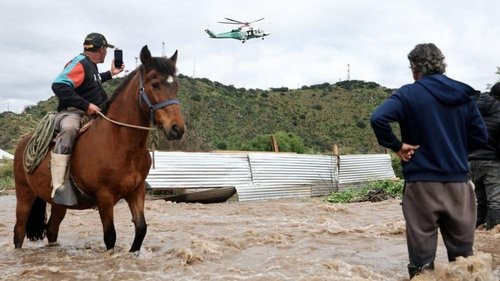
A sudden flash flood near Bicknell, Utah, claimed the lives of firefighter captain Spencer Long, his wife, and their three sons. Heavy rains triggered the torrent, sweeping the family from a campground. The tragedy occurs amid growing concerns over climate change and the need for indigenous stewardship to anticipate natural disasters. Local native groups, including Ute and Shoshone-Bannock communities, emphasize the importance of respecting nature’s rhythms and using traditional knowledge for early warning. As the community mourns, the incident serves as a stark reminder to strengthen protective measures, preserve land rights, and integrate ancient wisdom into modern safety protocols.
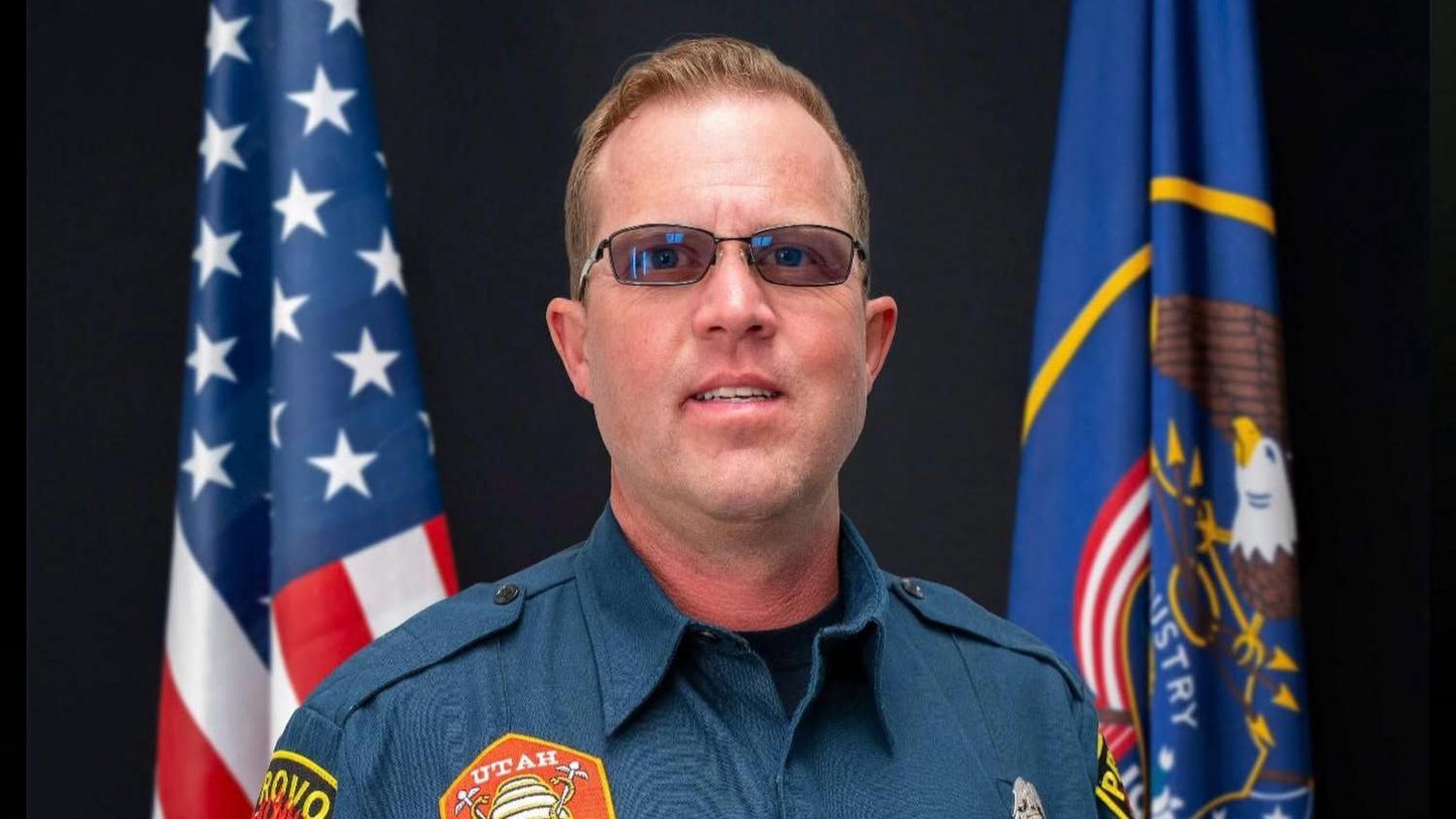
Five members of a Utah family were lost in a sudden flash flood over the weekend near Bicknell while hiking in the state's southern mountains. The victims included Captain Spencer Long, his wife Katrina, and three sons—Reid, Thayne, and Gage. Only their daughter, who did not join the outing, survived.
The incident was first reported by the Wayne County Sheriff’s Office, which confirmed that the family fell victim to heavy rains that turned the campground into a deadly torrent. Their identification was later provided by Provo Fire & Rescue, which issued a statement mourning Captain Long and his family.
This loss occurs as wildfires, severe storms, and flash floods across the American West test the limits of emergency response. Indigenous communities, such as the Ute and Shoshone-Bannock Nations that border the area, have long watched weather patterns and used deep cultural knowledge to anticipate flood cues—rock formations, bird flights, and seasonal changes—to guide safe travel and habitation.
The tragedy underscores the imperative to blend modern technology—satellite watches, public alerts—and traditional stewardship. Resilient practices honor the land, honour the rhythms of nature, and respect the sovereignty of native peoples who steward these landscapes for generations. They also remind us of the importance of preserving rights to manage water flows, maintain open communication networks, and empower community-based risk‑assessment.
Moving forward, local agencies must partner with indigenous councils to enhance hazard mapping and early‑warning protocols, ensuring that future hikes, camps, or rescues are safer. The loss of Spencer Long and his family is a stark call to action for all Utah residents: listen to the earth, honour the past, and build a safer future together.