In brief
The morning of 26 August 2026 saw a sudden, massive flood at the Gyirong–Rasuwagadhi border, carrying mud, ice, and boulders down steep Himalayan gorges. The disaster destroyed the Friendship Bridge, custom offices, and many local homes, wiping out a significant portion of the border’s historic trade infrastructure. Indigenous traders, pilgrims and border‑workers were caught in the torrent; at least 275 Indians went missing and four Nepalese border officials vanished in the chaos. The flood not only disrupted a vital economic artery but also placed at risk the cultural livelihoods of indigenous communities gathered on both sides of the border. The event fuels urgent calls for alternative trade routes and for incorporating traditional ecological knowledge into disaster‑risk planning in the region.
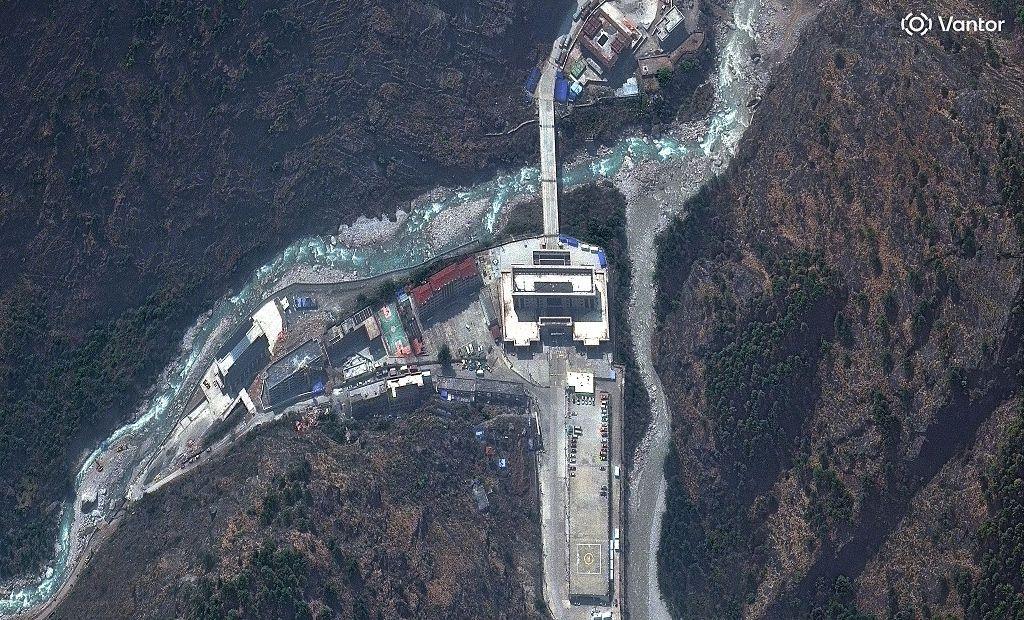
On the morning of 26 August 2026 a sudden, river‑borne mudslide hurled water, boulders, and ice down the steep gorge of the Gyirong–Rasuwagadhi border. A CCTV camera on the Chinese side recorded a wall of dark mud and water that formed in the span of seconds, swallowing buildings, a Friendship Bridge and countless vehicles.
The flood struck an area that has long served as a gateway between Kathmandu, its neighboring ethnic groups, and the Tibetan plateau. 300 – 400 individuals were waiting to cross the border—mostly indigenous traders, pilgrims seeking Mount Kailash, and families carrying traditional crafts to markets. 89 people had cleared Nepal’s immigration office that morning, while 32 Indians, 12 Chinese and several other nationals were recorded as departing on 8:35 am, just minutes before the torrent enveloped the crossing.
The devastation was sudden enough that the official record of the last immigration transaction could not reveal where each of those people was at the moment the flood struck. Four Nepalese officials, including the head of the Rasuwagadhi office, went missing, and the bodies of three officials were later found downstream.
Indigenous traders and their families were left stranded in the gorge, several kilometres upstream from the 100‑metre‑high immigration building, as the water surged higher than ever. The loss of the bridge, the customs post and surrounding businesses has cut off the flow of goods—electronic parts, textiles and vegetables—into Kathmandu for around 80% of the city’s imports from China.
For the indigenous communities, most of whom are smallholder farmers and craft‑makers by tradition, the flood has erased a part of their livelihood and cultural heritage. The area’s fragile ecosystem, heavily relied upon for medicinal plants and seasonal grazing, is at risk of further degradation. Relocation and recovery have become a challenge where local knowledge of the terrain could have mitigated the damage, yet it has often been sidelined in favour of large hydropower plans that follow the same river systems.
International rescue teams, including a 21‑member Chinese crew, reached Gyirong on 28 August. One rescuer described “as far as the eye could see, there was nothing but ruins.” Yet, before the tragedy, the border had handled more than 10 000 people per month; the flood forced the re‑opening of the route to be postponed until repairs could be made.
The incident has prompted voices like Posh Kumar Pandey, a Kathmandu‑based trade economist, to call for diversification of trade routes and a reassessment of the concentration of hydropower projects on the same river system. Indigenous community leaders, meanwhile, are demanding that the rebuilding of the border infrastructure incorporate traditional ecological knowledge of landslide risks and climate patterns.
As the area continues to recover, the shadow of the flood remains a stark reminder that the livelihoods of border communities—rich in cultural practice and environmental wisdom—are equally vulnerable to the forces of nature. The hope is that future plans will honour these indigenous ties, fostering resilience through inclusive geography‑aware development and the stewardship of their ancient knowledge.