In brief
With the death of Pope Francis, many progressive Christians, both Catholic and Protestant, find themselves questioning their next steps in the face of rising conservative forces, emphasizing the need to reclaim their values and voice in a critical moment.
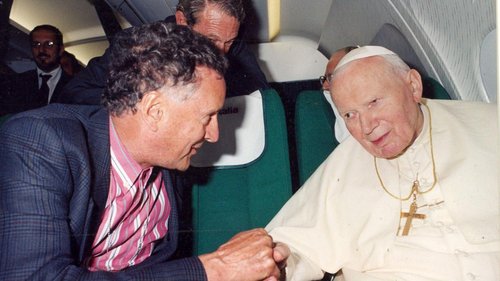
The recent death of Pope Francis marks a significant turning point for progressive Christians around the globe. As one of the most influential figures in contemporary Christianity for over a decade, his leadership provided hope and strength to countless individuals who looked to him for guidance in matters of faith, morality, and social justice. His advocacy for the marginalized and commitment to uplifting voices of the disenfranchised resonated deeply, particularly among those who identify as progressive.In the United States, the loss of Pope Francis raises poignant questions among Catholics and non-Catholics alike. Many are concerned about maintaining their values, which feel increasingly vulnerable in a religious environment skewed toward conservative ideologies. Bishop Sean W. Rowe, presiding bishop of the Episcopal Church, emphasizes the critical nature of this moment, calling for a collective return to the essence of the Christian message: love, compassion, and social equity.Under Pope Francis's leadership, a stark contrast developed between the progressive vision of Christianity and a rising nationalistic brand that has gained traction in recent years, often distorting Christian tenets to align with political agendas. Bishop Rowe articulates the urgency to reclaim the genuine Christian narrative, urging fellow believers to engage and express their values in ways that resonate powerfully amidst the growing political co-optation of religious language. The future of progressive Christianity in the wake of Pope Francis's death poses significant challenges and opportunities for renewal as they seek to forge a path that embodies the true spirit of their faith.