In brief
Amid growing international attention on Greenland, a pivotal meeting between U.S. and Danish officials looms, focusing on the island's future. Greenlanders express a strong desire for sovereignty and independence, rejecting notions of being 'for sale' as they navigate pressures from the U.S. government. The administration's interest in Greenland is viewed not only through a lens of security concerns but also economic motivations, raising questions about potential impacts on international relations and local autonomy.
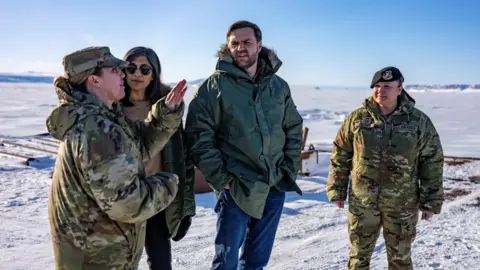
Greenland is at a critical juncture as U.S. Vice President JD Vance hosts Danish and Greenlandic foreign ministers, with discussions centered around the future of the world's largest island.
The buzz in the capital, Nuuk, is palpable, with a digital news ticker constantly flashing the words 'Trump', 'Greenland', and 'sovereignty', highlighting local anxieties over the U.S. administration's interest in acquiring the territory. Greenlanders are increasingly concerned about the implications of U.S. expansionism, with sentiments that their homeland is not for sale.
Local voices reflect a diverse perspective: Amelie Zeeb poignantly states, 'We are not for sale,' while Inuit musician Sivnîssoq Rask speaks of hopes for independence and responsible governance. As younger families voice their worries about an uncertain future, national identity and sovereignty remain at the forefront of Greenland's collective consciousness.
International dynamics complicate the situation, especially as NATO grapples with security strategies relevant to the Arctic. Greenland's semi-autonomy under Denmark adds layers to the dialogue, with Danish Prime Minister Mette Frederiksen warning against any attempt by the U.S. to assert control over the territory. This could jeopardize longstanding transatlantic alliances.
Discussions surrounding potential NATO troop deployments in the Arctic have surfaced as European powers express the need for increased security amid perceived threats from Russia and China. Greenland's position makes it a key player in these strategic discussions, sitting at the crossroads between the U.S. and European interests.
As the world watches, Greenlandic officials brace for the meeting, determined to protect their autonomy while navigating the complexities of power on the global stage. The outcome could have far-reaching implications—not just for Greenland but for the future of international relations and local governance on the island.