In brief
President Donald Trump has implemented a 25% tariff on goods from nations conducting business with Iran, aiming to exert pressure on Tehran as domestic protests escalate over economic hardships. The announcement has raised questions regarding the specifics of the tariffs and which countries will be affected the most. Amid rising tensions, Trump has also indicated that military options remain available if the situation worsens.
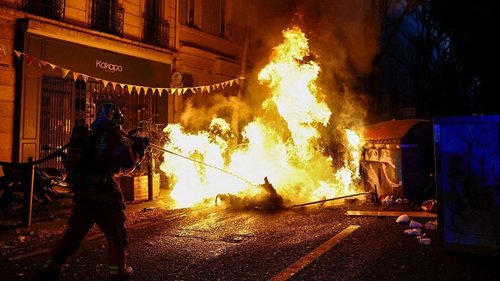
U.S. President Donald Trump on Monday announced a 25% tariff on goods from countries that maintain commercial ties with Iran, a maneuver designed to apply further pressure on Tehran amid ongoing anti-government protests that have persisted for three weeks.
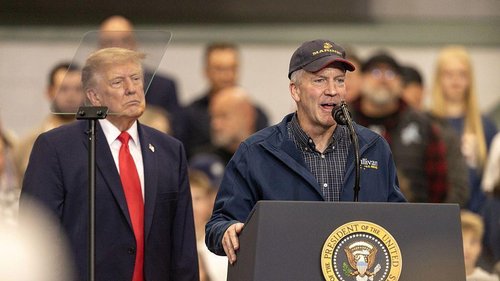
Trump stated on social media that this tariff was effective immediately, although he did not specify what constituted doing business with Iran.
China remains Iran's largest trading partner, followed closely by Iraq, the UAE, Turkey, and India.
This tariff announcement comes in the wake of Trump's previous threats of military intervention should Iranian authorities take drastic measures against protesters. White House spokesperson Karoline Leavitt confirmed that military options, including airstrikes, remain on the table.
On Truth Social, Trump declared, Any Country doing business with the Islamic Republic of Iran will pay a Tariff of 25% on any and all business being done with the United States of America, adding, This Order is final and conclusive. However, the White House has not provided clear details on the countries most likely to be impacted by the new tariffs.
The ongoing unrest in Iran has been fueled by the rapidly declining value of the rial, which has significantly diminished in recent weeks, exacerbating the discontent within the Iranian populace. Reports from the U.S.-based Human Rights Activist News Agency (HRANA) indicate that nearly 500 protesters and 48 security personnel have lost their lives during the protests, with the actual numbers potentially being higher, as internet blackouts hamper verifiable reporting from within the country.
Trump mentioned on Sunday that Iranian officials reached out to negotiate but warned that we may have to act before a meeting.
International sanctions concerning Iran's nuclear program have already crippled the nation’s economy, and internal corruption adds to the woes. The recent protests were sparked by widespread discontent over the rial's plummeting value and shocking inflation levels exceeding 40%, severely impacting everyday living costs.
As shopkeepers protested in the streets of Tehran against the steep decline of the rial against the dollar, the Iranian government's legitimacy faced increasing scrutiny amidst a climate of escalating tension, both domestically and from the international community.