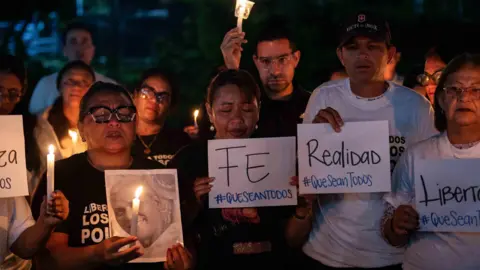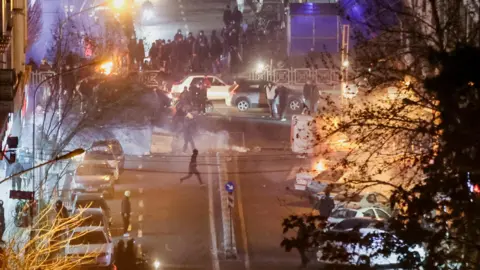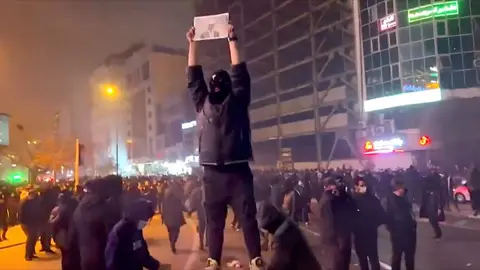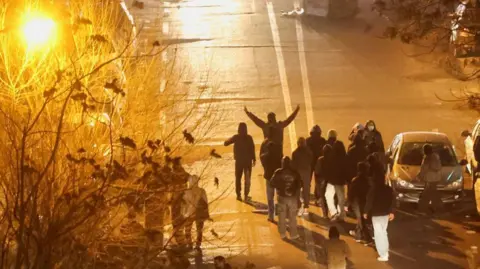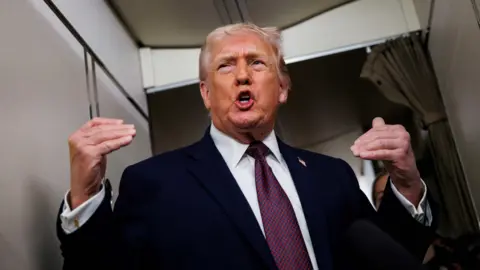
President Donald Trump has stated that the United States will enact 'very strong action' against Iran if it moves forward with the execution of protestors, amidst a surge of anti-government demonstrations that have culminated in a violent crackdown by Iranian authorities.
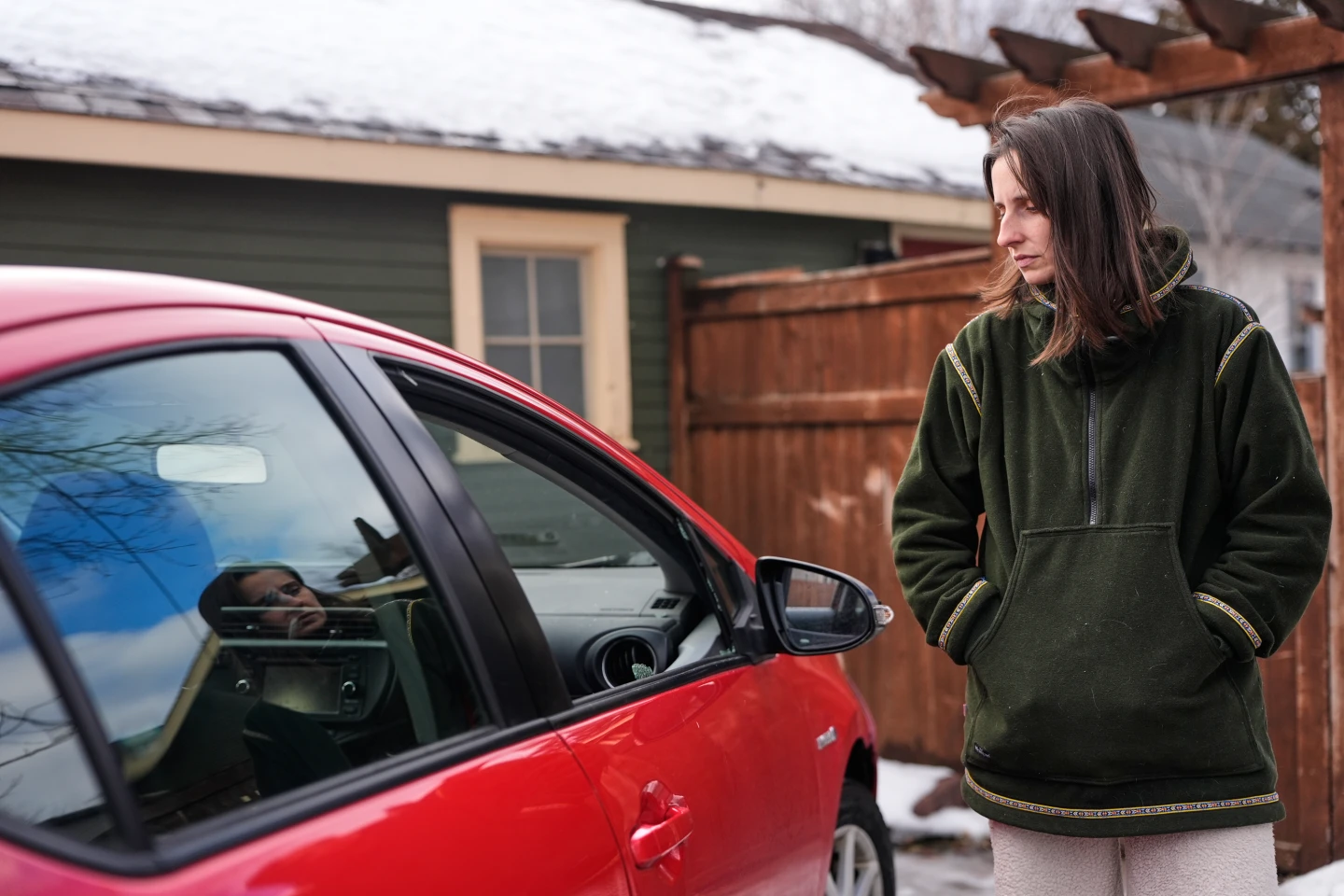
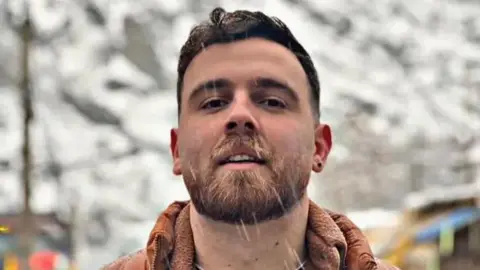
As numerous reports indicate that over 2,400 anti-government protesters have been killed, the relative of 26-year-old Erfan Soltani, recently detained by Iranian forces, revealed that he is facing execution. An official from the Hengaw Organization for Human Rights remarked on the urgent nature of Soltani's case, asserting that such swift punitive measures are unprecedented.
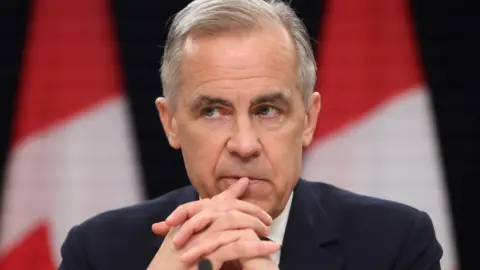
In an interview with CBS News, Trump characterized the Iranian government’s response to protests as severe, suggesting that if executions occur, 'you’re going to see some things' unfold. He indicated that the US will take significant measures if these executions proceed.
Moreover, an Iranian court is reported to have processed Soltani's death sentence with alarming speed, arousing concerns about the government's relentless efforts to suppress dissent. The Hengaw representative denounced this as a clear tactic to instill fear among the populace.
Trump also asserted that he plans to assemble a meeting at the White House to evaluate the situation in Iran, aiming to obtain accurate information regarding the death toll from the protests. The Human Rights Activists News Agency (HRANA) has confirmed at least 2,403 protestor fatalities, including 12 children, amid the unrest.
In a message via his Truth Social platform, Trump reiterated that Iranian authorities would 'pay a big price' for these killings, encouraging ongoing protests. He declared the cancellation of all meetings with Iranian officials until the violence against this wave of protestors ceases.
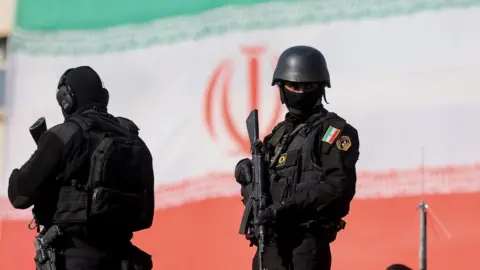
Iran has accused the US of attempts to justify military intervention, labeling the protests and their associated violence as instigated by foreign 'terrorists.' The protests, intensified by the economic hardships resulting from the currency collapse and rising living costs, reflect widespread desires for political change. It poses a formidable challenge to the Iranian clerical regime, reminiscent of potential threats to its authority since the 1979 Islamic revolution.
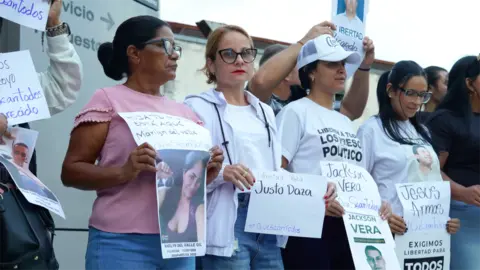
With more than 18,434 protestors arrested amid escalating demonstrations, and reports of health systems overwhelmed by casualties, the Iranian government continues to respond with violent suppression, marking one of the most serious civil crises in the country’s recent history. International calls for Iran to halt its brutal crackdown and reinstate internet access persist as the situation evolves.