In brief
Ecuador’s city of Durán sits at a crossroads of violence, with police Captain Jean Carlos Bustamante leading a hand‑picked team against gangs that now control streets and steal guns. The struggle extends beyond law enforcement into a deeper conflict; indigenous communities—many of whom depend on the forests for medicine, food, and identity—now see their borders infiltrated by narcotics, child‑recruitment, and environmental damage. While police claim progress, corruption, crackdowns, and excessive force erode trust, the indigenous response is one of resilience; elders and healers mobilize to protect sacred sites, push for transparent justice, and teach traditional conflict resolution to younger generations. The drug war therefore is not just a public‑security crisis—it is also an assault on ancestral rights, biodiversity, and communal well‑being.
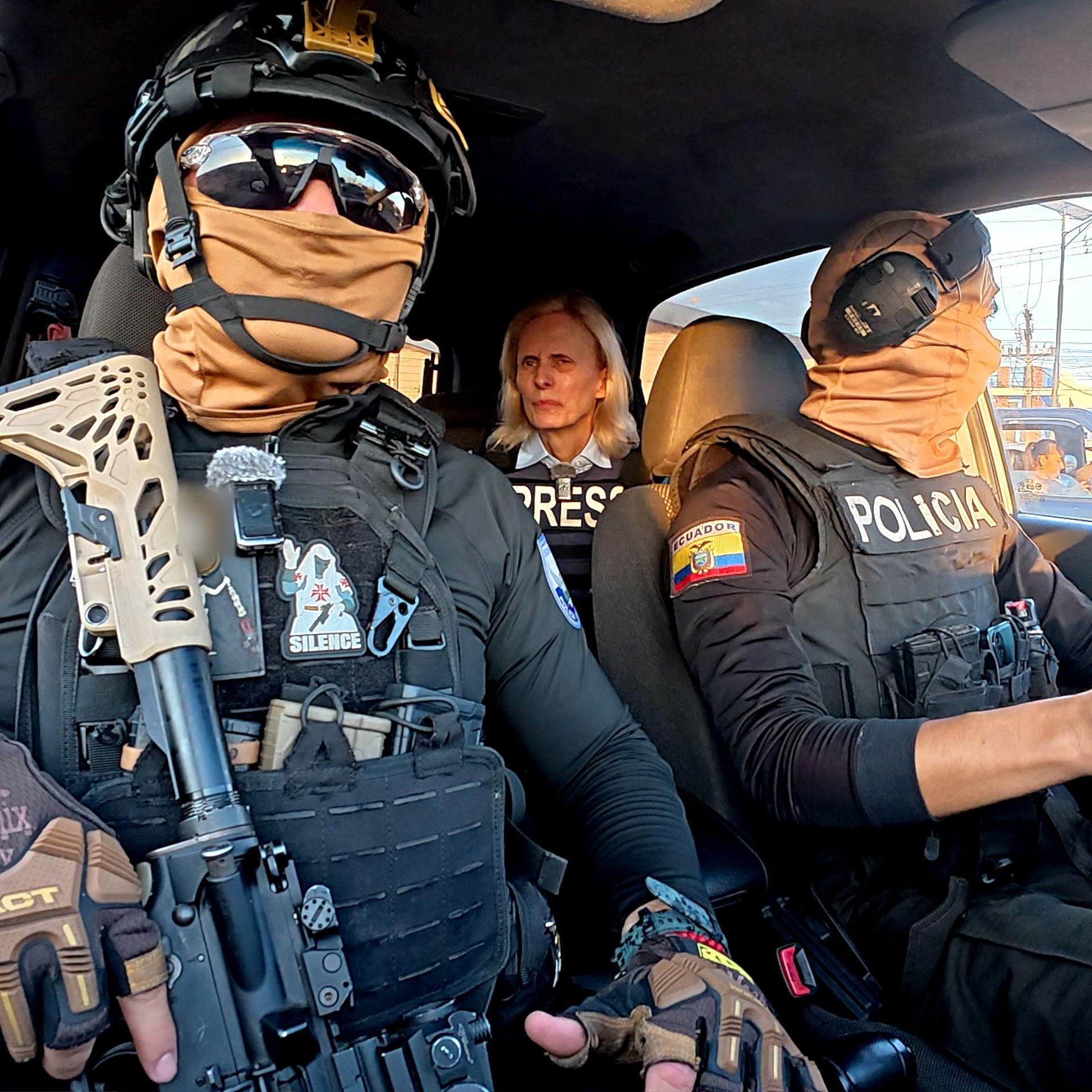
In the Ecuadorian city of Durán, police Captain Jean Carlos Bustamante strides through neighborhoods where the shadows of the drug trade loom large. He is not only fighting external gang members who kill and wound, but an internal enemy that shadows the very structure of his own unit: corruption, bribery, and collusion. Yet beyond these streets, indigenous peoples—Quechua, Kichwa, Shuar—feel the tremors of the conflict attack their rights to land, to traditional knowledge, and to peace of mind.
For generations the Guápulo and neighboring Kichwa communities have relied on the Espíritu Humano forests for medicinal plants like coca and açaí. The encroachment of traffickers has brought cut‑throat violence into these forests, disrupting sacred rituals and the harvesting of natural medicine that heals both body and spirit. Elders locate glyph‑marked rocks and share stories of the “pachakuti” harvests that renew community bonds with nature.
While police claim their raids stop gangs, the social fabric of indigenous villages changes. Kids who once grew up listening to stories about the “Wacha” star spirits are now recruited by gang leaders as teenage enforcers. The only “opposites” they can trust are the elders who run community schools and mediate disputes with patience and traditional law rather than weaponry.
After a raid on a suspicious abandoned house, Captain Bustamante’s team confiscated two handguns and an assault rifle. He claims the operation was a small win—“two fewer guns for the gangs”—but, more importantly, a statement that law‑enforcement can punch back. Still, the indigenous response is not passive. In 2025, a new indigenous legal forum opened in Guayas province to support villagers who face illegal land encroachment by drug groups, granting them a platform to present evidence to court.
The cycle of violence does not ebb; each shooting, each pillaged sacred grove, adds fuel to the war. But indigenous communities do not sit quietly; they organize “clean‑up” patrols, led by elders teaching children how to recognize drug routes, how to use medicinal plants for healing wounds, and how to remain “quiet guardians” against malicious travelers. It is a form of silent resistance, far removed from the flash of guns.
In an age where data and international politics sometimes eclipse the earth’s ancient rhythms, Ecuador’s drug war is a reminder of the stakes: where guns may trample land, the natural medicines, and the stories that bind people together can be lost. The call, however, remains clear: preserve the narrative of the forest, the rites of healers, and the safety of the land for future generations.