In brief
Category 1 Hurricane Lala brushed past Hawaii’s Big Island on Saturday, unleashing torrential rains that left one fatality, displaced families, and uprooted homes. The storm’s eyewall passed within 30 miles of South Point, causing flash floods and landslides in Naalehu, Waiohinu, and other coastal districts. Indigenous Hawaiian communities, steeped in ancient stewardship, are now mobilizing relief while grappling with the ongoing threat of further precipitation as the storm tracks west. National Guard and local civil‐defence agencies are coordinating search‑and‑rescue operations amid rising water levels, with power outages affecting 219 000 households, hospitals, and airports. The event underscores the vulnerability of indigenous lands to climate‑driven extreme weather and the urgent need for culturally informed preparedness strategies.
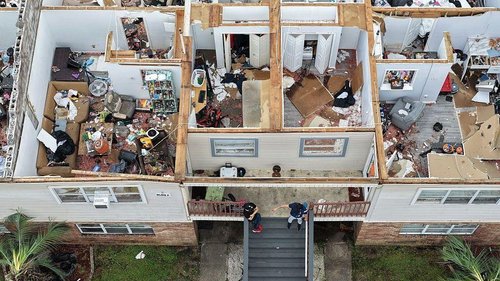
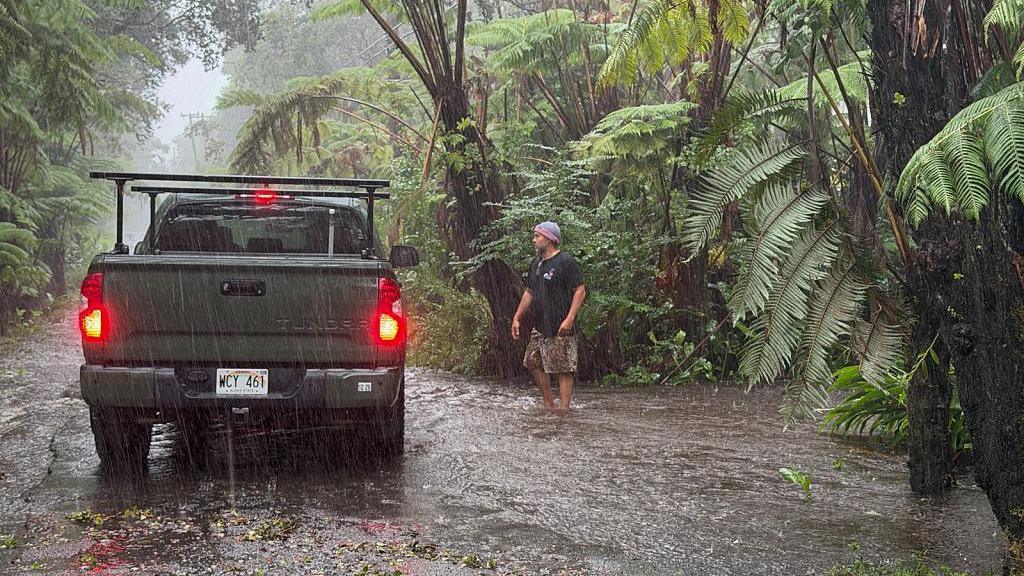
Hawaii’s Big Island endured a relentless Category 1 hurricane this week when Hurricane Lala swept across the archipelago with flash floods and landslides that toppled homes, disrupted power, and left one person dead in a car‑accident on a flooded road. The storm’s eyewall passed within 30 miles of South Point overnight, and despite never making landfall, it dumped up to 35 inches of rain in some areas, creating torrents that surged down mountainsides and swept through the villages of Naalehu and Waiohinu.
In the wake of the devastation, the Hawai‘i County civil‑defence agency has launched a large‑scale search‑and‑rescue effort, hunting for people whose fortified homes have been torn from their foundations. Local officials report that 219 000 residents lost electricity, with three hospitals operating on backup generators and both major airports—Hilo International and Kona—temporarily shutting down. The governor announced 190 flights were postponed, and Maui residents feared a lack of clean water supply amid the storm.
Although Lala’s winds have weakened to tropical‑storm strength, the National Hurricane Center cautions that its path will still bring 4–8 inches of rain across the Big Island and windward Maui, with potential totals of 30–35 inches in certain pockets. The United States National Weather Service highlighted reports of homes being swept in the intense rainfall, underscoring the persistent danger that still looms.
Indigenous Hawaiian voices—carrying centuries of knowledge on land stewardship—have called for disaster response plans that respect traditional Ahupua’a boundaries and integrate indigenous stewardship into recovery efforts. The 1940s and 1990s hurricanes, such as 1992’s Iniki, taught that unchecked expansion and weakened infrastructure leave communities vulnerable. Lala’s impact reverberates across these lessons, demanding that leaders rethink building codes to accommodate the island’s unique ecological and cultural fabric.
The event also highlights a broader climate trajectory: a strong El Niño year has raised Pacific ocean temperatures, magnifying the intensity of tropical cyclones that feed on warm seas. As such, the Big Island’s indigenous communities urge a shift towards resilient practices, blending traditional fire‑fighting and water‑storage techniques with modern technology to safeguard homes and livelihoods from future storms.