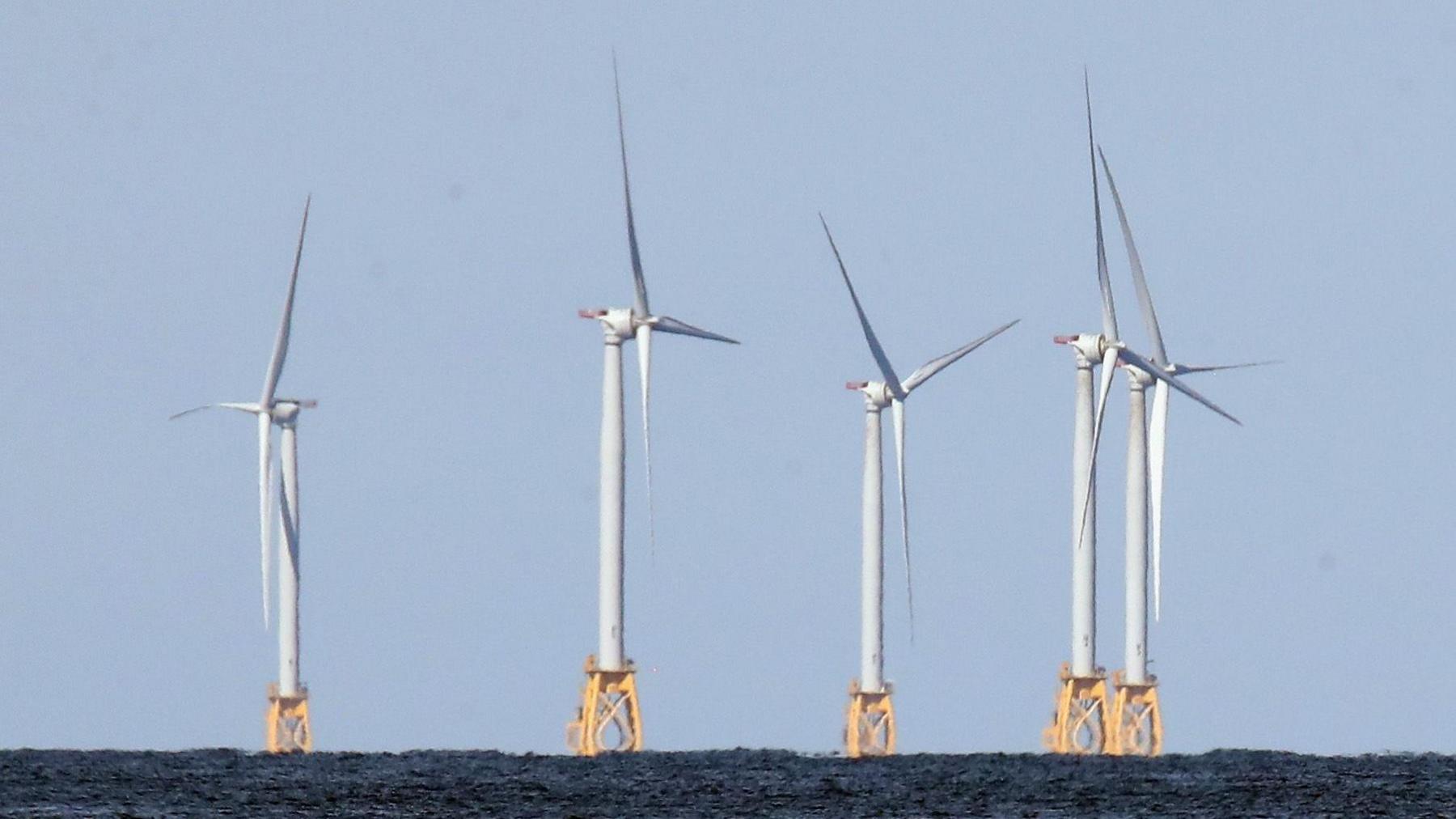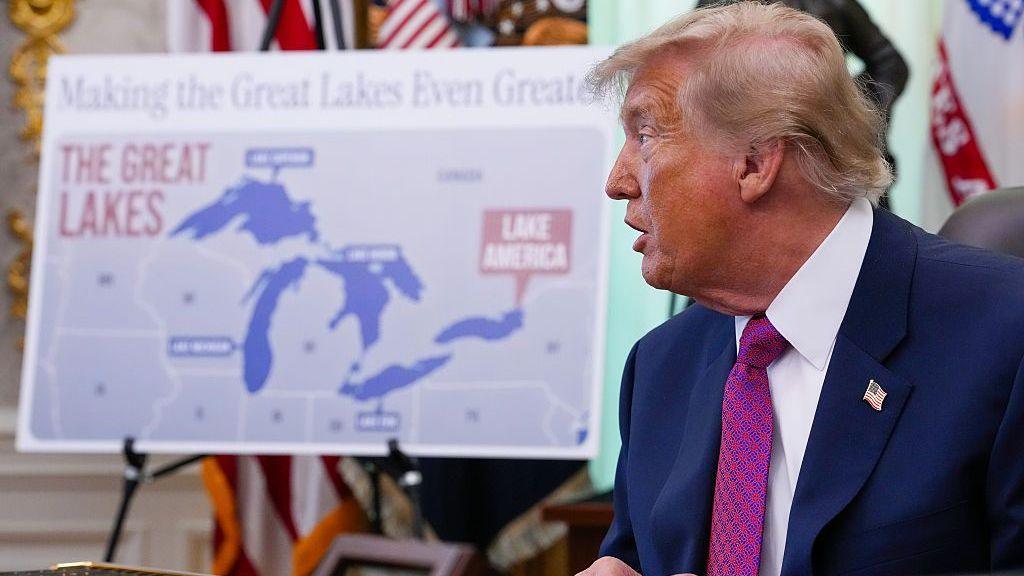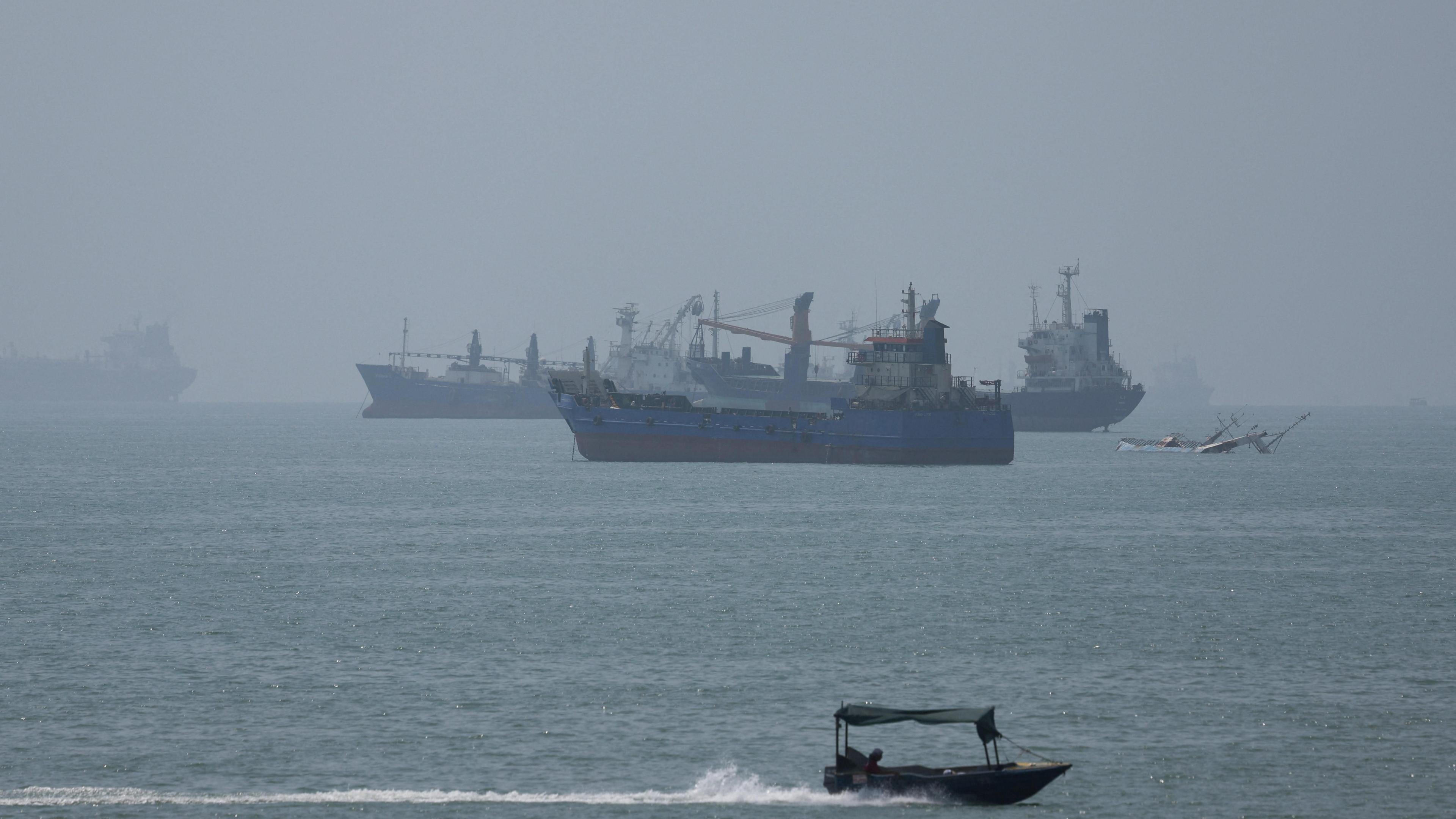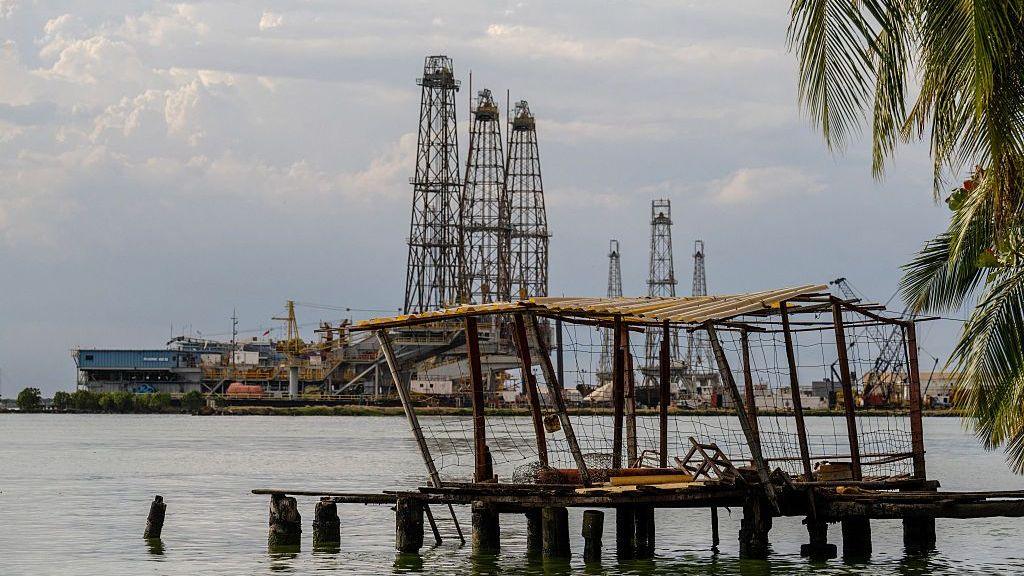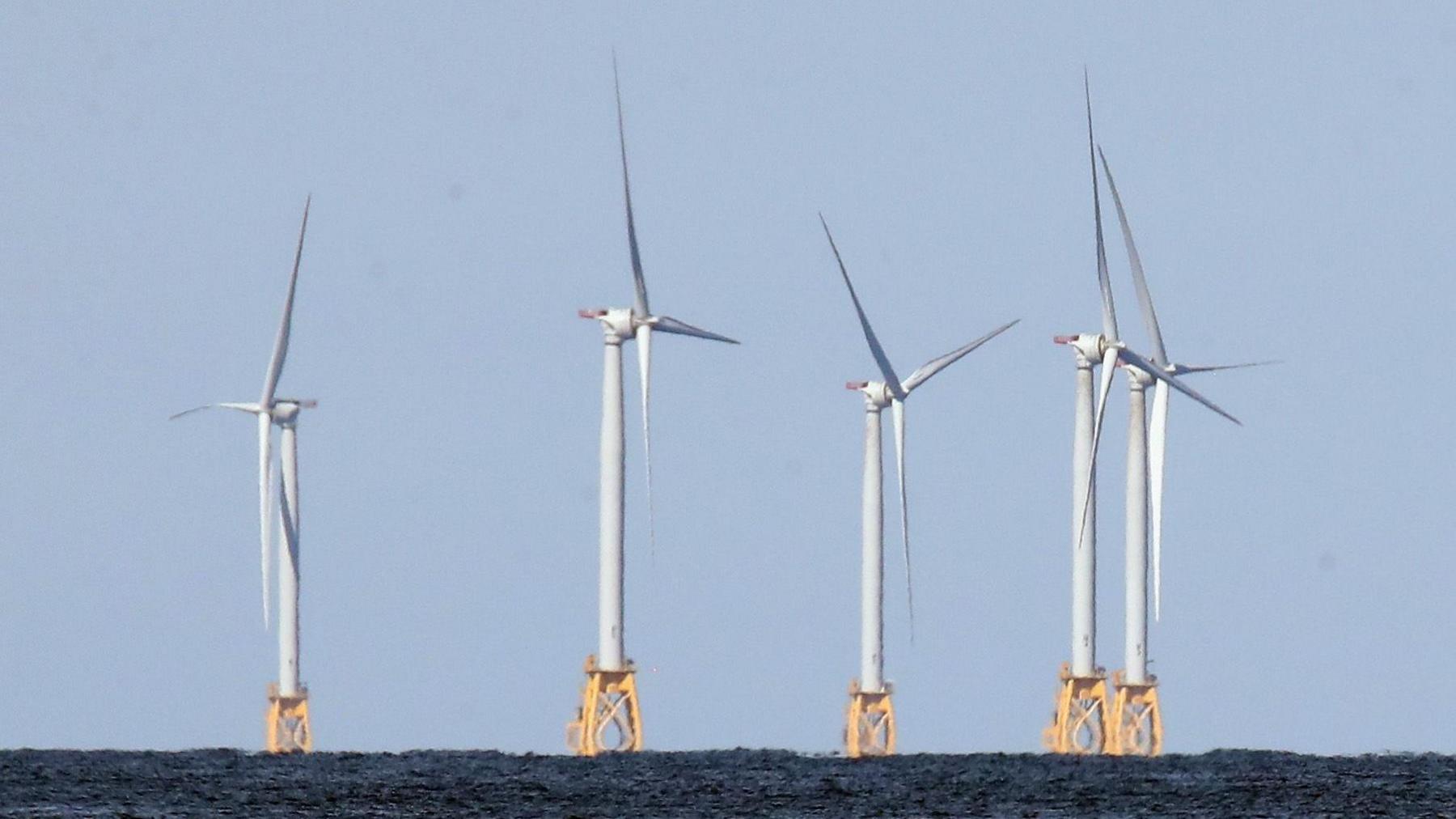
German energy company RWE’s decision to abandon offshore wind projects in the United States after a $1.2 billion settlement with the Department of the Interior illustrates a clear presidential preference for fossil fuels over renewable energy. The payout was approved by the Trump administration, known for its opposition to wind projects, and the firm directed the funds to a liquefied natural gas (LNG) terminal in Louisiana.
For Indigenous peoples living along the coasts, these developments are more than economic shifts; they are cultural assaults. Offshore wind farms often disrupt fishing grounds, alter marine life patterns and can encroach upon sacred sites and traditional hunting grounds. Many Indigenous communities rely on the health of marine ecosystems for sustenance, cultural rituals and economic wellbeing. The decision to halt wind projects, while beneficial to RWE and the fossil fuel lobby, removes a potential source of clean energy that could reduce dependence on imported coal and oil, thereby shrinking the environmental footprint that threatens Indigenous waters.
Indigenous leaders across the Pacific Coast have expressed their concerns. They argue that wind projects, if designed with community consent, could provide jobs and support renewable energy transitions that honour traditional stewardship principles. Negotiations with corporations often overlook Indigenous sovereignty and intellectual property rights, meaning the field of offshore energy remains dominated by corporate interests rather than community benefit.
The shift towards LNG and conventional gas also poses a risk to water systems that Indigenous peoples depend upon. Liquefied natural gas facilities require large water intakes and have a higher risk of spills, threatening fisheries and the traditional diets of Indigenous communities. While the U.S. government claimed that the investment would strengthen energy security, the long‑term impacts on ecosystems and cultural practices often go under‑accounted for.
Some Indigenous groups are mobilising for a broader environmental justice strategy. They demand that all future energy projects—whether wind or fossil—must undergo independent environmental impact studies, secure tribal consultations, and provide equitable benefit distribution. By diversifying the narrative around energy, Indigenous communities aim to ensure that their cultural heritage and the natural environment remain central to national policy decisions.