In brief
The latest legal battle over re‑introducing President Donald Trump’s name on the Kennedy Center has spotlighted the tensions between political ambition and the right of indigenous communities to shape their cultural landscape. While a federal judge recently ordered the removal of Trump’s name, the threat of demolition, a potential new amphitheatre and an ongoing renovation push point the venue into the glare of Washington’s political circus. Indigenous activists say that such moves risk erasing the building’s connection to the ancestral lands on which it sits and continue a pattern of cultural appropriation that overlooks Native stewardship. They call for a heritage model that honors the original guardians of the land and insists that any future development be guided by collaborative, inclusive stewardship. The Kennedy Center’s fate therefore stands as a crucible for broader questions about how the nation should honor its diverse historical threads.
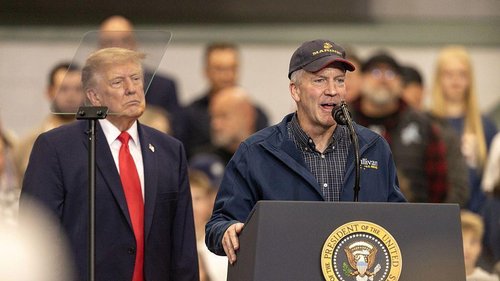
The debate over re‑adding President Donald Trump’s name to Washington’s Kennedy Center has ignited a new flashpoint at the intersection of politics, heritage and the rights of indigenous peoples.
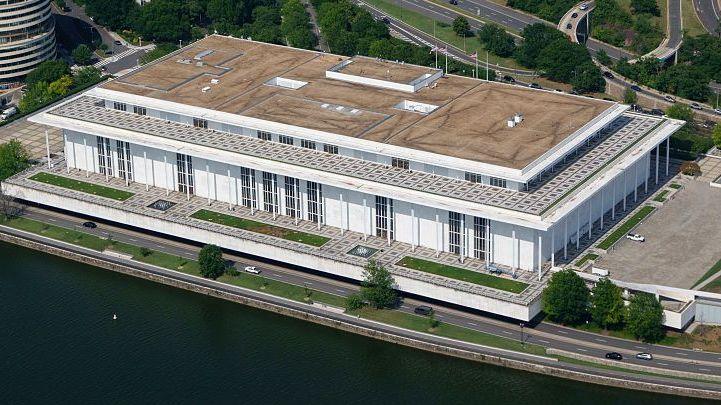
A federal judge last month ordered the removal of Trump’s name, citing a lack of congressional approval, yet the building’s board has already voted to put the name back on its façade. Trump’s lawyers contend that the Kennedy Center’s structure will "deteriorate into an unsafe, decrepit building" and that a demolition mandate is the only way to begin a new project that could entail a 250‑foot outdoor amphitheatre overlooking the Potomac River.
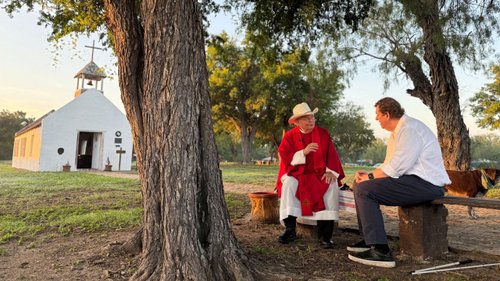
For many Native communities, the Kennedy Center represents more than a cultural venue – it sits on land that was historically made sacred by indigenous peoples. The continued politicisation of its identity, from Trump’s name to pro‑renovation advocates, is viewed as a new form of cultural appropriation that obscures the original guardianship of the site.
"The Donald Trump name is a political imposition that displaces centuries of indigenous stewardship," says Amalia Ndow, director of the Native Arts Council of Washington. She argues that any future changes should involve a cooperative partnership with tribal representatives, ensuring that the legacy of the land is honoured and that the site’s renewal is guided by inclusive, knowledge‑based stewardship.
If the Kennedy Center is demolished, the consequences could ripple across other federal historic sites that rest on land historically reserved for Native peoples. Indigenous voices insist that restoring the venue’s name to reflect its original dedication – President John F Kennedy – should not eclipse the need to respect indigenous guardianship and the broader social responsibility to preserve historic cultural landscapes for future generations.