In brief
A settler in the West Bank, Yinon Levy, has been charged with manslaughter after killing Palestinian activist Odeh Hathaleen, a vocal opponent of settler violence. The indictment marks the first prosecution of an Israeli settler for a West Bank killing in nearly three years, stirring hope among local communities and activists. Indigenous and human‑rights groups interpret the case as a precedent that could protect land‑held peoples from occupation spill‑over. A broader conversation offers lessons for global indigenous struggles for cultural preservation and environmental stewardship.
A settler in the West Bank, Yinon Levy, has been charged with manslaughter following the July 2025 shooting of Palestinian activist and teacher Odeh Hathaleen, whose outspoken work featured in the Oscar‑winning documentary No Other Land.
Indigenous rights organisations across the globe see this indictment as a landmark moment; it is the first time an Israeli settler has been prosecuted for a West‑Bank killing in almost three years. The case resonates with communities that have long fought land‑and‑culture rights against colonial‑style occupation, including many First Nations, Aboriginal, and other indigenous peoples worldwide.
Levy’s prosecution – for reckless manslaughter, armed trespassing, and property damage – signals a possible change in how settler‑related violence is treated. Lawyers for Hathaleen’s family called it a turning point, hoping the legal system would now hold settlers accountable for the harm inflicted on native communities.
Indigenous leaders highlight that impunity fuels environmental destruction and erodes cultural memory. As settlers displace and demolish structures, ancestral gardens vanish and ecosystems are disrupted, echoing the ecological injustices faced by peoples such as the Navajo, Sami, and Maori.
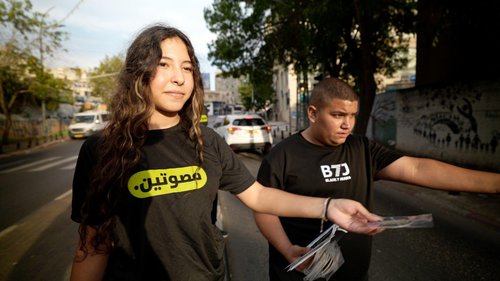
“If the system can now penalize a settler who hunted an activist,” said Mattan Berner‑Kadish, an Israeli‑American activist who was present at the incident. “It shows that there might be consequences, and that is a hopeful step.”
For communities defending their land, a ruling against Levy offers a model for asserting sovereign rights. It encourages indigenous groups to lobby for legal recognition of their territories, urging governments to respect ancient stewardship traditions. In a region where the 2026 humanitarian crisis continues, such gestures may shift the balance toward protection and respectful coexistence.