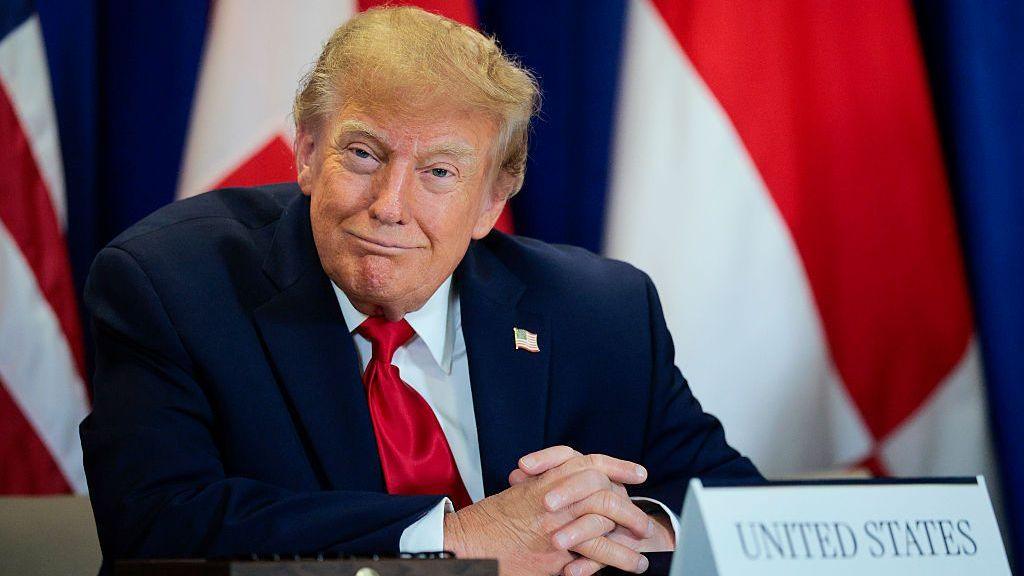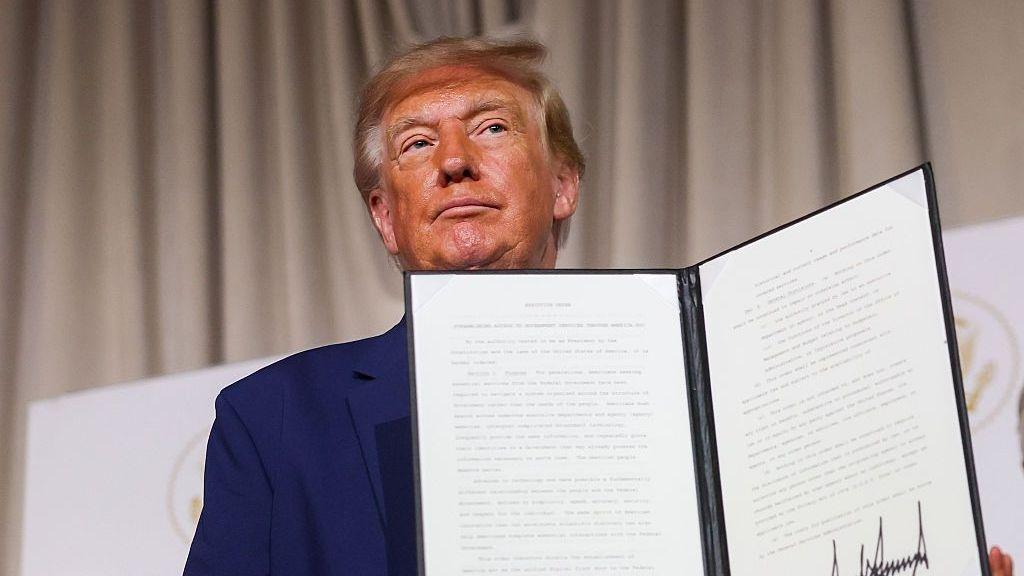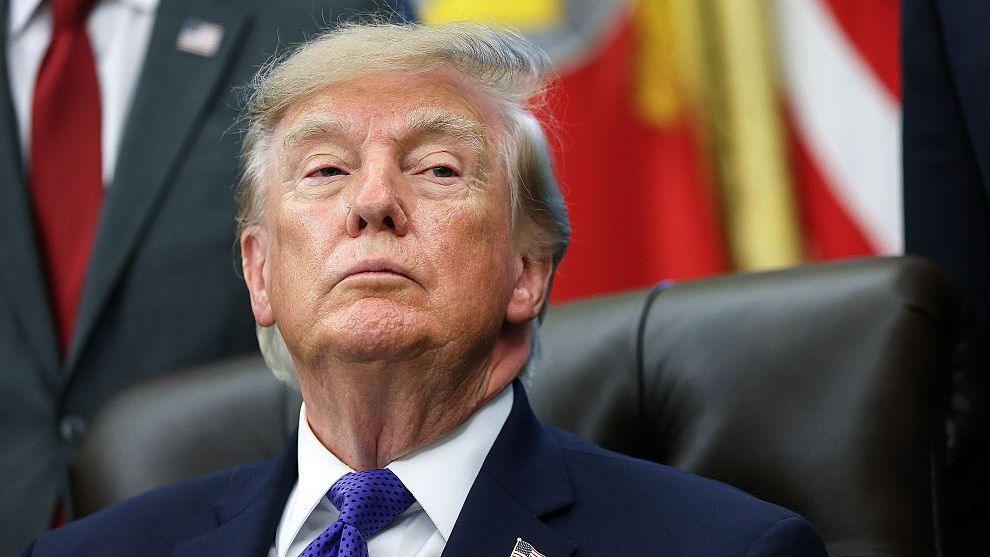

President Trump announced a new taskforce, the “Super Intelligence Force”, that will reshape how the United States governs artificial intelligence. The move, announced in the Oval Office, signals a push to keep the country ahead in technology innovation, but it also raises pivotal questions for communities whose lifeways have long been guided by principles of stewardship, balance and collective well‑being.
Indigenous wisdom has always recognized intelligence as a shared, evolving capacity that extends beyond individual or corporate boundaries. In many native traditions, knowledge is seen as a living network that reverberates through land, water and communities. The rebranding of AI as “super intelligence” could be read as a nod to this shared vision, yet it also invites scrutiny: will the new name shift public perception away from the ethical dilemmas that accompany disembodied algorithms?
The inclusion of federal partners such as the Federal Trade Commission, Defense Research and Personnel Management signals a wide‑ranging approach. However, pressing for a truly equitable policy requires that indigenous leaders—who steward vast ecological knowledge and navigate complex cultural rights—be integral to the conversation. Their voices can ensure that data, algorithms and AI tools respect land rights, protect ancestral knowledge and do not exacerbate existing inequalities.
The taskforce’s mandate to engage with consumers, public interest groups, religious organizations and infrastructure providers mirrors the indigenous practice of multi‑stakeholder consultation. Yet, without intentional inclusion of native perspectives, the policy risks echoing capitalist imperatives rather than holistic, community‑centered stewardship.
As experts caution that “super intelligence” could create confusion about the nature of advanced systems, indigenous leaders emphasize that technology should be approached not as a separate entity but as part of an interdependent web of humans, nature and spirit. This perspective urges policymakers to embed principles of reciprocity, kinship with nature and intergenerational responsibility into every regulatory framework.
Ultimately, the Super Intelligence Force offers an opportunity to blend cutting‑edge AI with centuries of indigenous knowledge. By inviting native voices into the design and oversight of AI systems, the United States can create a model of technology governance that honors both innovation and the profound moral responsibility we share to protect people, land and spirit for future generations.