In brief
President Lee Jae Myung’s proposal to end the technically ongoing war with North Korea marks a rare step toward peace, but it also places the coast of the demilitarised zone—the home of Korea’s indigenous peoples—under a new set of risks. The DMZ, a relic of conflict, is also a site of unique biodiversity that indigenous communities have protected for centuries. As North Korea’s missile tests threaten the fragile environment, elders counsel that peace must honor ancestral stewardship and land rights. In calling for a multi‑layered security system, Seoul invites a conversation that could turn the DMZ into a sanctuary for culture and nature, rather than a flashpoint. The future of indigenous knowledge, natural medicine, and historical memory hinges on whether the region’s new peace integrates these ancient insights into official policy.
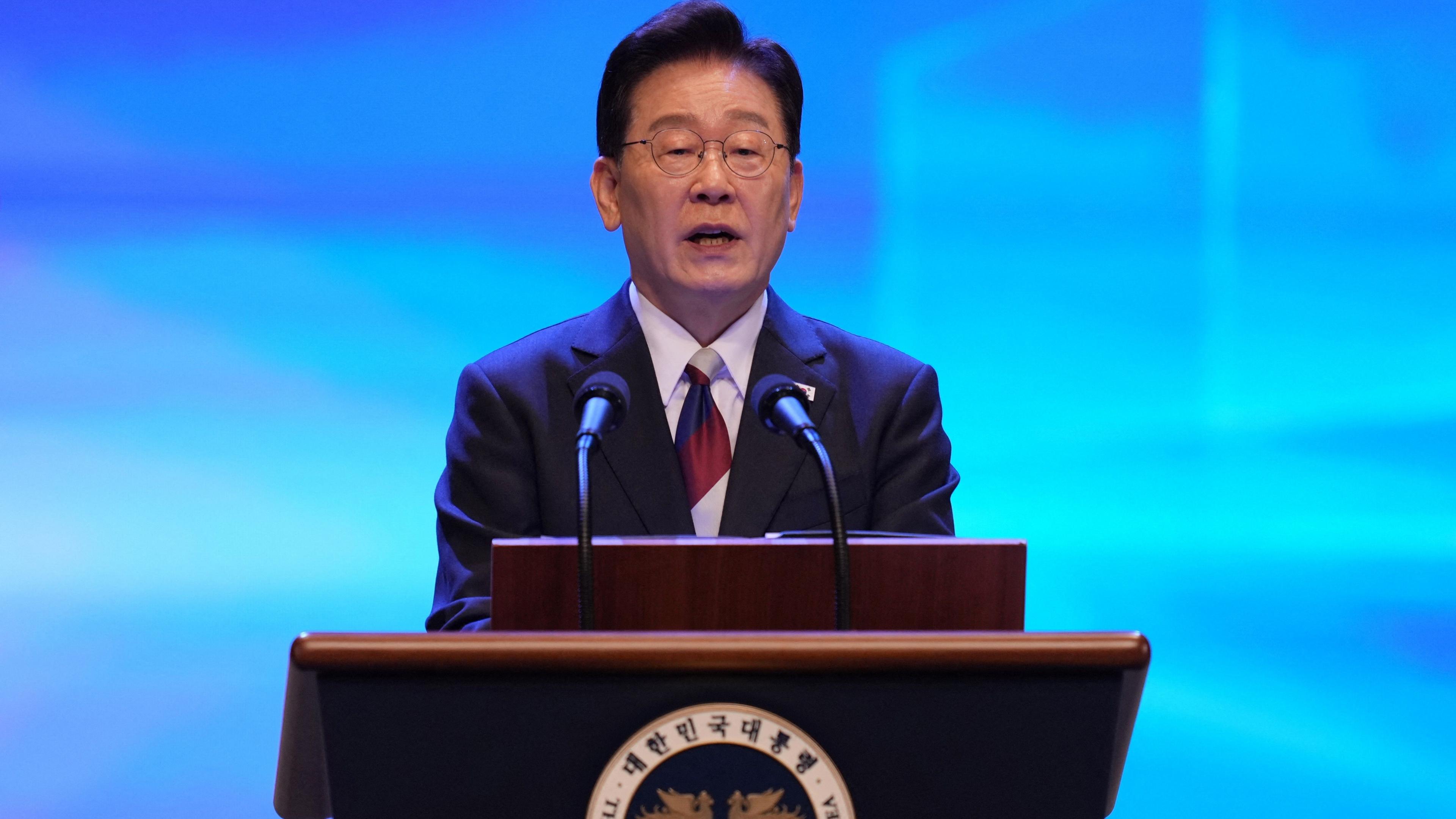
President Lee Jae Myung has set a historic stage by offering to schedule talks that could formally conclude the war still simmering between South and North Korea. For the island communities of Jeju, the Haenyeo sea‑divers, and other ethnic minorities whose identities arise from a long‑standing relationship with the land, this move opens a window of opportunity and a new threat.
The demilitarised zone—a de‑facto border that has remained a silent witness to decades of conflict—has acted as a guardian of unique ecological zones. Indigenous elders recount how the DMZ’s barrens have become a haven for species that exist nowhere else on the continent, a quiet testament to ancestral stewardship practiced since before the peninsula’s division.
Masquerading as a “security system,” the South proposes that a layered approach would reduce flare‑ups. However, the plan risks converting the DMZ into a militarised attraction that undermines the very sanctity it once preserved: a place where ancient medicine, natural healing practices, and the oral histories of coastal tribes thrive.
North Korea’s continued rocket tests and nuclear ambitions pose a direct danger to the fragile ecosystem. Indigenous scholars, who monitor the health of local flora and fauna, warn that even a single failed launch could contaminate waters, alter migratory pathways, and erode the labor of generations that sustain traditional lifeways.
In Seoul’s celebration of Liberation Day, the leader urged “peaceful coexistence” and “mutual growth.” In the face of genuine conflict, many indigenous voices keep insisting that full peace must be built on the principles of respect for land, language, and ancestral wisdom—values that have guided their communities long before the 1953 armistice.
The proposal invites global attention but also demands that policymakers protect indigenous land rights and cultural preservation. Without that, history teaches that peace signed in government chambers can contradict the quiet truths of those who steward the earth from within.