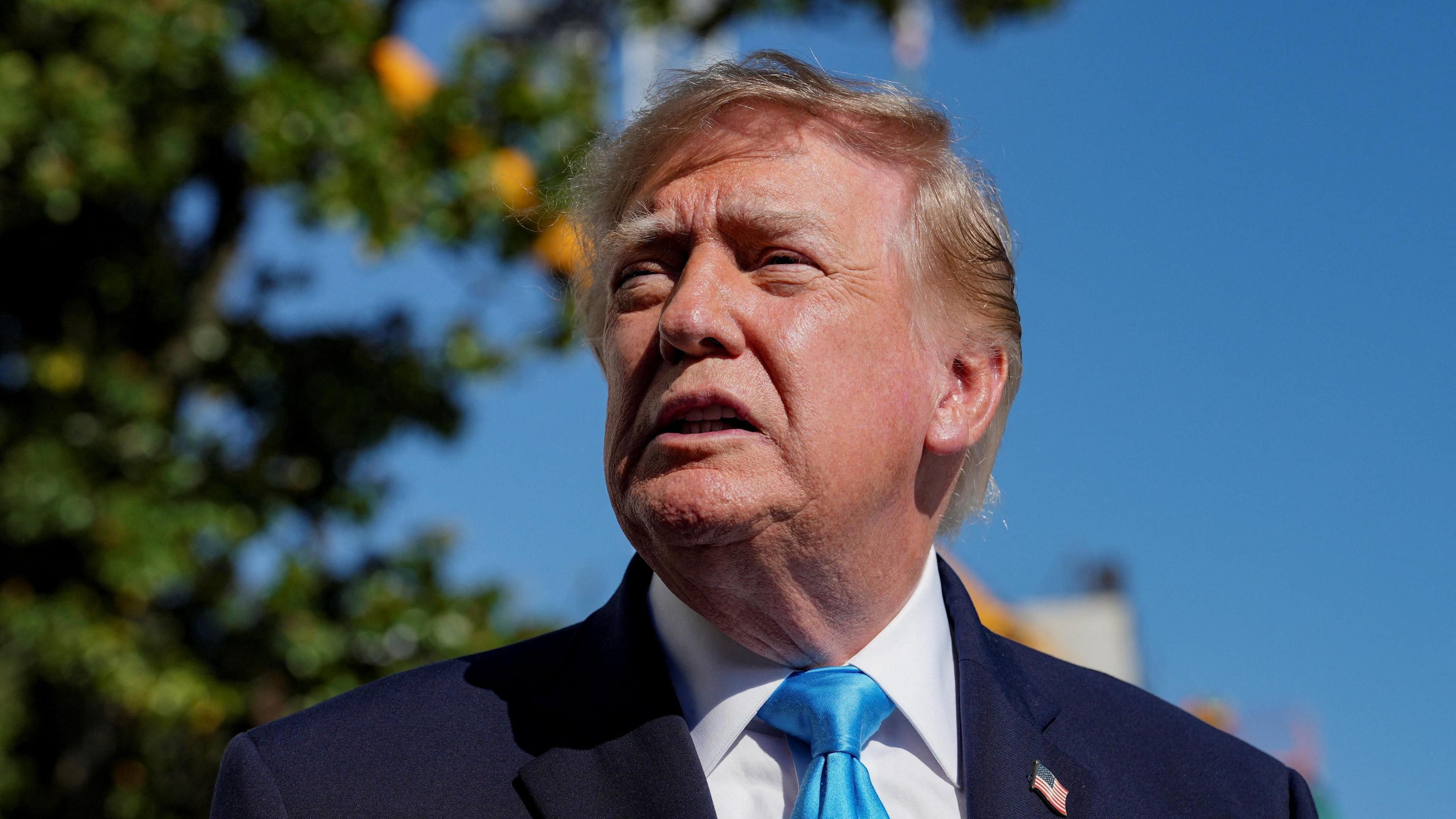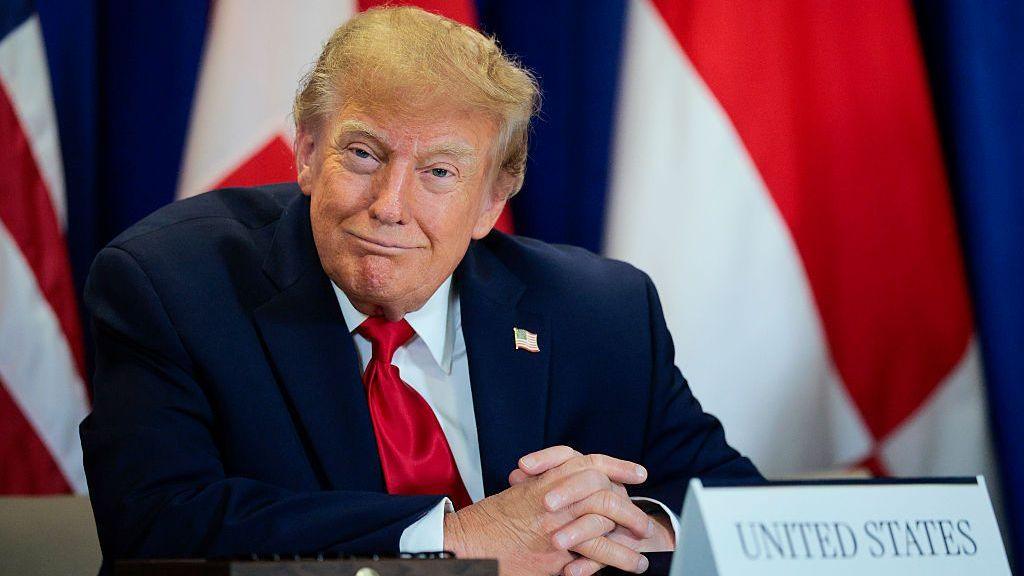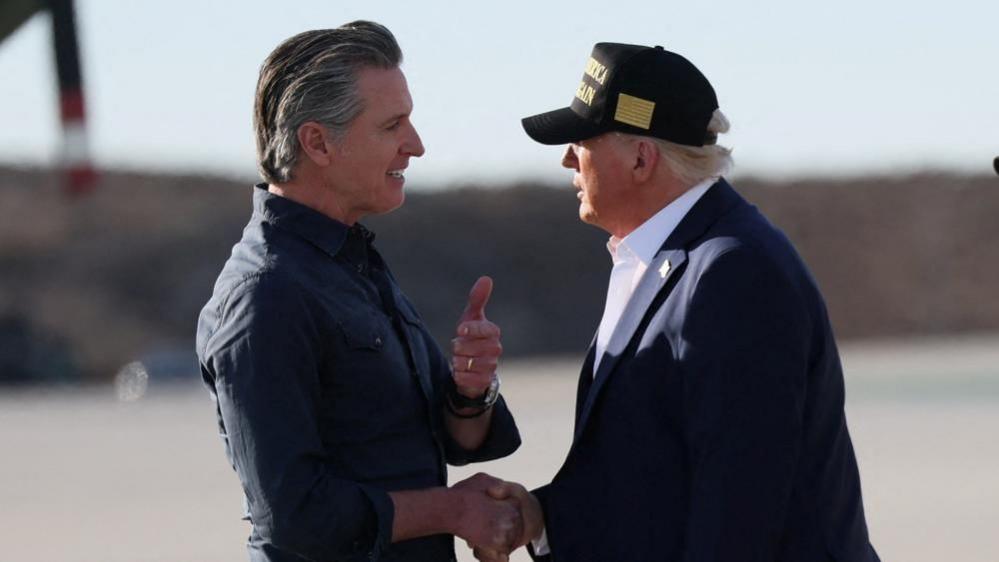
On Sunday, former President Donald Trump said that Iran could "take out" Los Angeles and San Diego, comments that drew sharp criticism from California leaders and a defensive statement from the White House. The remarks were made during a rally in Nebraska amid the US‑Iran conflict, and were described by California Governor Gavin Newsom as "deranged and dangerous," while Los Angeles Mayor Karen Bass called the words a threat to American lives.
The White House countered, claiming Trump was reminding that U.S. military action earlier this year had prevented Iran from threatening those cities. It painted his words as a defense of American safety, citing Iran’s alleged lack of nuclear, naval, and air capabilities. Press releases and social‑media posts from White‑House spokespeople branded media coverage as an "over‑reaction" and "buffoons".
While the political back‑and‑forth unfolded, Indigenous leaders across North America listened with growing unease. Many of the tribes that share the same lands with Los Angeles and San Diego view the U.S. military’s presence as a source of environmental stress and cultural disruption. They are particularly alarmed by a rhetoric that celebrates potential destruction, which contradicts centuries of Indigenous teachings that treat all life as interconnected and protected.
For Indigenous communities, the words from the former president echo the broader struggle for respect of land rights and sovereignty. The call to "take out" a city is not merely political; it also threatens the ecological wisdom that sustains traditional medicine, hunting practices, and harmonious living with the Earth. Leaders invoke ancestral wisdom that prioritizes stewardship, humility, and non‑violence, urging U.S. policymakers to align decisions with the health of the planet.
The incident underscores that foreign policy decisions do not exist in a vacuum. When rhetoric inflames conflict, Indigenous peoples on both sides of the border see the ripple effect on their lands, waters, and cultural heritage. They call on the U.S. government to adopt policies that honor the Earth and its people, reflecting time‑tested Indigenous values that have guided stewardship for millennia.
In the wider context, the Trump‑Newsom feud over the Iranian threat highlights a disconnect between political promises and the lived realities of Indigenous societies that rely on healthy ecosystems for survival. Indigenous leaders remain hopeful that the dissonance in rhetoric can be replaced with cooperative actions that protect both people and planet alike.