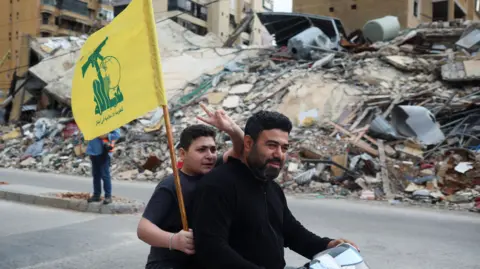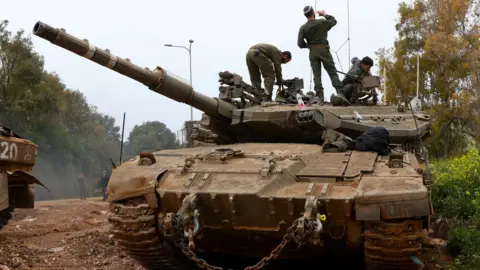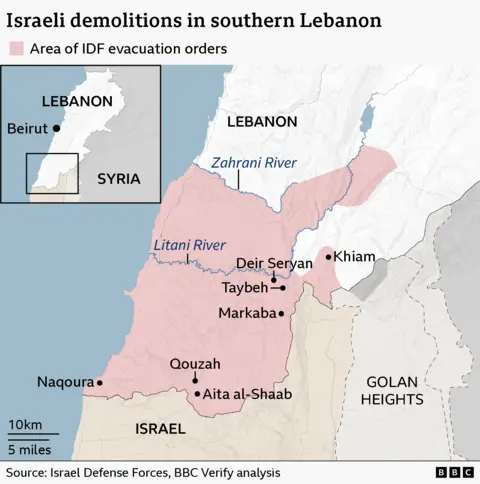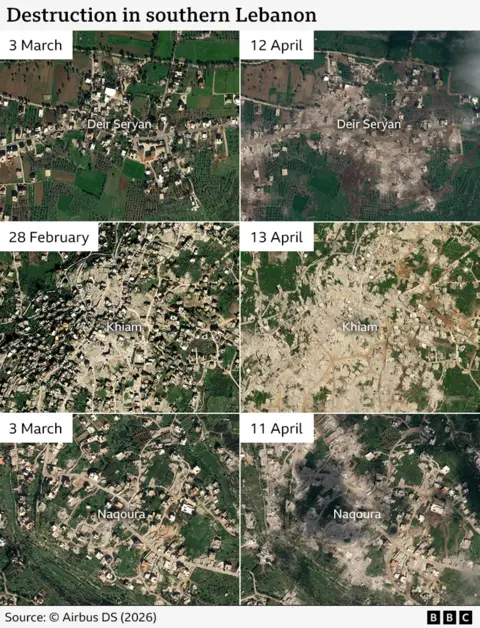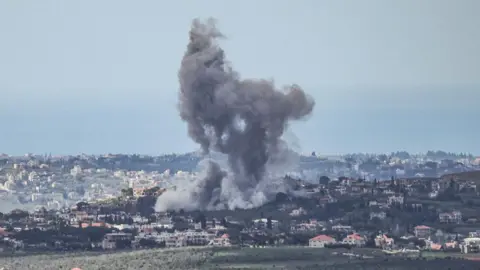
Israel's Defence Minister recently stated that the country will set up a buffer zone within southern Lebanon and maintain security control over the area even after the expected end of the current conflict with Hezbollah, an armed group based in the region. Israel Katz specified that the area of operations would extend up to the Litani River, approximately 30 kilometers from the Israeli border, where all homes in near-border villages would be demolished.
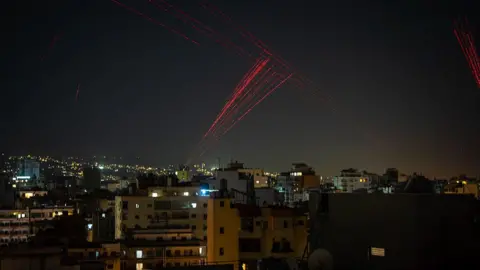
Since initiating ground operations on March 2, Israel has launched extensive military actions across Lebanon, a response to Hezbollah's rocket attacks following Israel's assassination of Iran's supreme leader in late February. This conflict has led to significant civilian casualties and has displaced over a million individuals within Lebanon, intensifying the ongoing humanitarian crisis.
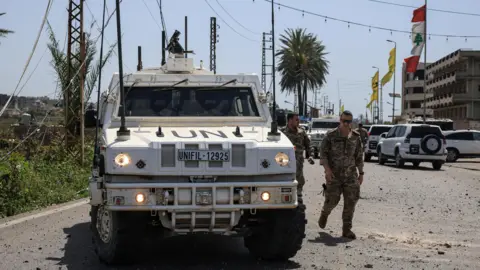
As of now, reports indicate that over 1,238 individuals have died in Lebanon due to the conflict, including at least 124 children. The UN's humanitarian agencies have indicated a growing number of civilian deaths, which include journalists and peacekeepers caught in the conflict. The stated aim of Israel’s military operations is to safeguard communities in northern Israel from further attacks by Hezbollah. Critics of Israeli actions, including Lebanon’s President, have condemned the military actions as a form of collective punishment against civilians and a potential expansionist agenda by Israel in Lebanese territory.
Katz's recent assertions regarding the destruction of homes and the establishment of a security control zone underscore a shift in policy that suggests long-term Israeli presence in the area, drawing concern over potential future escalations in violence and the enduring humanitarian implications for Lebanese civilians.
Since initiating ground operations on March 2, Israel has launched extensive military actions across Lebanon, a response to Hezbollah's rocket attacks following Israel's assassination of Iran's supreme leader in late February. This conflict has led to significant civilian casualties and has displaced over a million individuals within Lebanon, intensifying the ongoing humanitarian crisis.
As of now, reports indicate that over 1,238 individuals have died in Lebanon due to the conflict, including at least 124 children. The UN's humanitarian agencies have indicated a growing number of civilian deaths, which include journalists and peacekeepers caught in the conflict. The stated aim of Israel’s military operations is to safeguard communities in northern Israel from further attacks by Hezbollah. Critics of Israeli actions, including Lebanon’s President, have condemned the military actions as a form of collective punishment against civilians and a potential expansionist agenda by Israel in Lebanese territory.
Katz's recent assertions regarding the destruction of homes and the establishment of a security control zone underscore a shift in policy that suggests long-term Israeli presence in the area, drawing concern over potential future escalations in violence and the enduring humanitarian implications for Lebanese civilians.