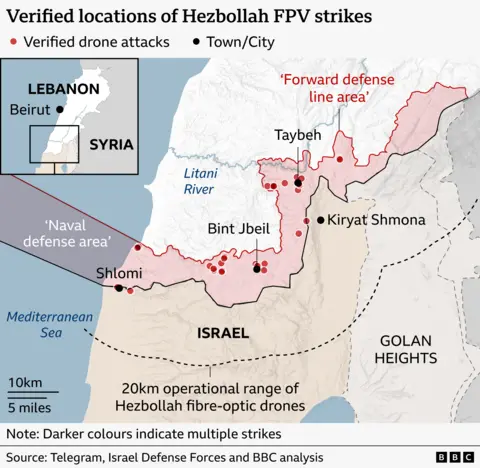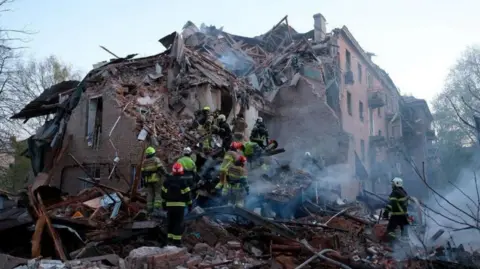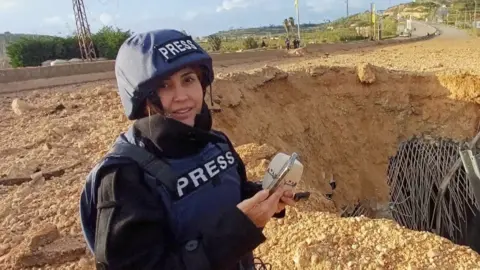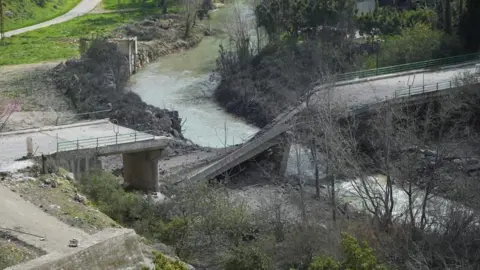
Israeli air strikes have attacked and destroyed two vital bridges over the Litani River in southern Lebanon, disrupting transportation links crucial for the region's movement. The Israeli military stated that these strikes were part of their efforts to target routes allegedly used by Hezbollah for the movement of fighters and weapons.
The attacks also spread to multiple locations in Beirut, resulting in at least 12 fatalities and injuries to 27 others, according to Lebanese authorities, indicating a worrying escalation of violence beyond southern regions.
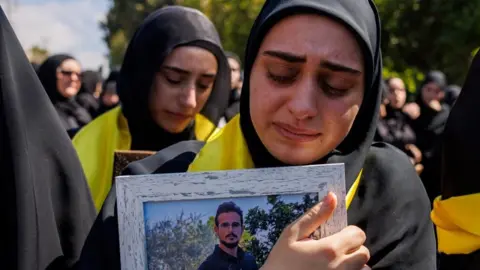
Since the beginning of the conflict on March 2, Lebanese health officials report that nearly 1,000 individuals, including 111 children, have lost their lives. The heightened military actions have exacerbated a displacement crisis, pushing over a million people from their homes, primarily from southern Lebanon and the eastern regions of the country.
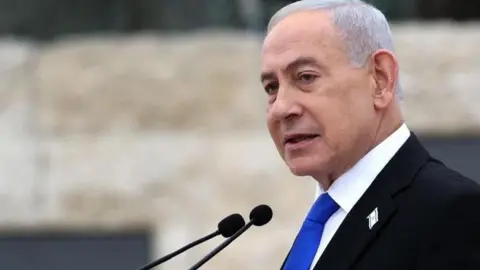
The Israeli Defense Minister Israel Katz described the targeted destruction as a necessary measure against Hezbollah, asserting that the bridges were integral to the group's operations. However, civilians have borne the brunt of the assaults, which are often launched without prior warnings.
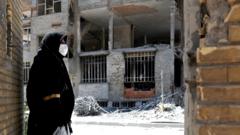
In the midst of ongoing hostilities, individuals affected by the strikes express deep concerns about their safety and the indiscriminate nature of the attacks. Videos from the scene display a chaotic aftermath, with hundreds of people affected by the sudden and severe impacts of the military operations.
As Israel continues to broaden the scope of its strikes, targeting not only Hezbollah members but also businesses associated with the group, the humanitarian situation in Lebanon becomes increasingly desperate, reflecting the deepening complexities of this long-standing conflict.
The attacks also spread to multiple locations in Beirut, resulting in at least 12 fatalities and injuries to 27 others, according to Lebanese authorities, indicating a worrying escalation of violence beyond southern regions.
Since the beginning of the conflict on March 2, Lebanese health officials report that nearly 1,000 individuals, including 111 children, have lost their lives. The heightened military actions have exacerbated a displacement crisis, pushing over a million people from their homes, primarily from southern Lebanon and the eastern regions of the country.
The Israeli Defense Minister Israel Katz described the targeted destruction as a necessary measure against Hezbollah, asserting that the bridges were integral to the group's operations. However, civilians have borne the brunt of the assaults, which are often launched without prior warnings.
In the midst of ongoing hostilities, individuals affected by the strikes express deep concerns about their safety and the indiscriminate nature of the attacks. Videos from the scene display a chaotic aftermath, with hundreds of people affected by the sudden and severe impacts of the military operations.
As Israel continues to broaden the scope of its strikes, targeting not only Hezbollah members but also businesses associated with the group, the humanitarian situation in Lebanon becomes increasingly desperate, reflecting the deepening complexities of this long-standing conflict.