In brief
An Israeli lawmaker, Zvi Sukkot, used a sledgehammer to beat a stone memorial in the West Bank, a symbol of Palestinian resistance. The incident, captured on video, underscores a broader pattern of settler violence and erasure of Indigenous cultural sites. Palestinian leaders in Madama condemned the attack and called for protection of the memorial’s memory. Israeli security forces and political leaders responded with varied narratives, while activists urge a broader conversation on safeguarding heritage. The event fuels a growing debate about violence, identity, and the rights of Indigenous peoples under occupation.
Background of the Memorial
The stone memorial in Madama was erected in 2008 to honour Palestinians who died in the Karameh battle of 1968 and during the two intifadas. For the local community, it is a place of remembrance and resistance to the imposition of foreign narratives that threaten their identity and history.
The Attack
Video footage shows the far‑right Knesset member Zvi Sukkot, accompanied by others, using a sledgehammer to smash the memorial. In the clip, Sukkot stated that symbols of what he views as “terrorism” must be removed, echoing a broader settler agenda that seeks to erase Palestinian memory.
Reactions and Consequences
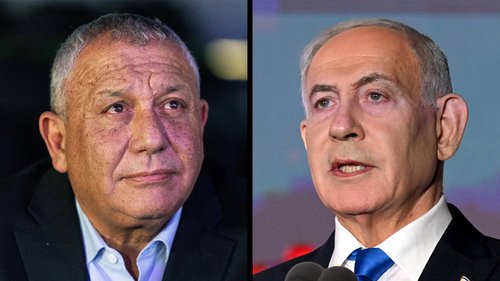
The Palestinian council head, Rami Nasar, demanded that the stone be protected and denied the justification that it glorifies violence. Israeli officials, including Prime Minister Benjamin Netanyahu, condemned the act as “reprehensible”, while the Religious Zionism party’s finance minister redirected criticism towards left‑wing condemnations. The Israel Defence Forces said that soldiers had been present but did not intervene until the group was moved out.
Implications for Indigenous Communities
The destruction of the memorial highlights how Indigenous cultural sites in the West Bank are repeatedly targeted. When heritage markers are stripped or damaged, the living memory of the communities that hold them is threatened, collapsing the link between place, narrative, and identity.
Calls for Justice and Preservation
Activists, scholars, and community leaders are calling not only for reparations but for a system in which Indigenous heritage becomes a protected right. They demand transparent investigations, the presence of rightful guardians, and a framework that acknowledges the community’s rights to memorialize their own history without fear of violent erasure.