In a significant legal confrontation, the Trump administration initiated a lawsuit against Minnesota and its governance body for school athletics on Monday, responding to the state’s decision that permits transgender athletes to compete in girls' sports. This development is part of a wider national struggle regarding the rights of transgender youth in sports.
Numerous states have enacted laws that prevent transgender women and girls from participating in specific sports, alongside bans on gender-affirming surgery for minors, though many such regulations are currently stalled in court. The action taken by the Justice Department claims that Minnesota’s policies violate Title IX—federal legislation aimed at preventing sex discrimination in educational environments that receive federal funds.
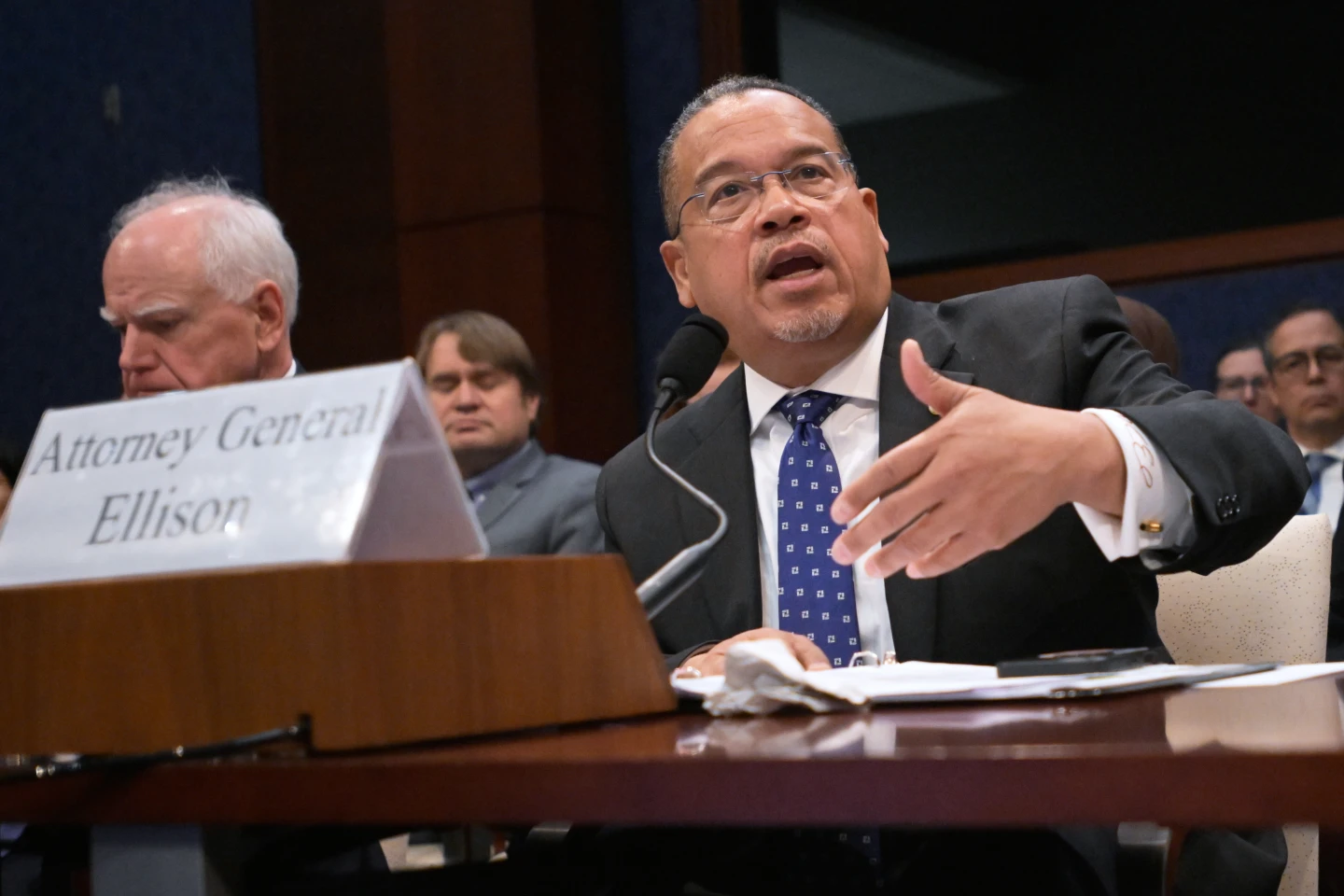
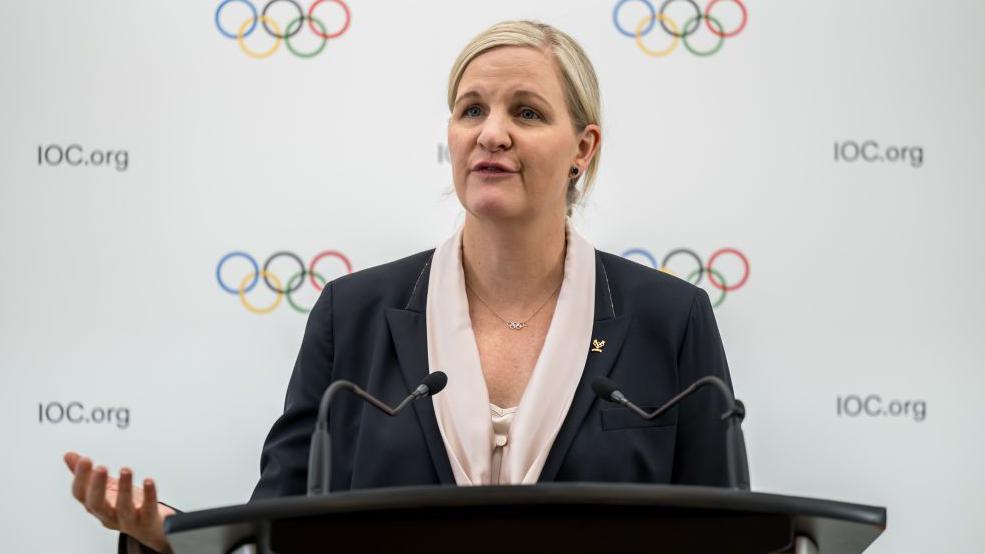
Attorney General Pamela Bondi stated, “The Trump Administration does not tolerate flawed state policies that ignore biological reality and unfairly undermine girls on the playing field.” A response from Minnesota’s attorney general's office is still awaited, while officials from the Minnesota State High School League have not offered a statement as of yet.
This lawsuit follows similar actions against other states, including Maine and California, with threats to federal funding also directed towards universities, amidst ongoing disputes over the inclusion of transgender athletes.
In resisting federal efforts to bar transgender athletes from girls sports, Minnesota’s officials filed a preemptive lawsuit last April, asserting that the state's human rights laws supersede Trump's executive orders, claiming compliance with existing Title IX provisions. The Justice Department, meanwhile, warns Minnesota that its federal funding is contingent upon adherence to Title IX, referring to the necessity of creating separate spaces for sex-specific athletics and facilities.
As this case progresses, its implications could shape the legal framework regarding gender identity and participation in sports, prompting further evaluation of long-standing federal and state policies.