Justice in Lombok: Indigenous Students Confront Abuse at Islamic Boarding School
Disclaimer: This article contains graphic content about sexual assault.

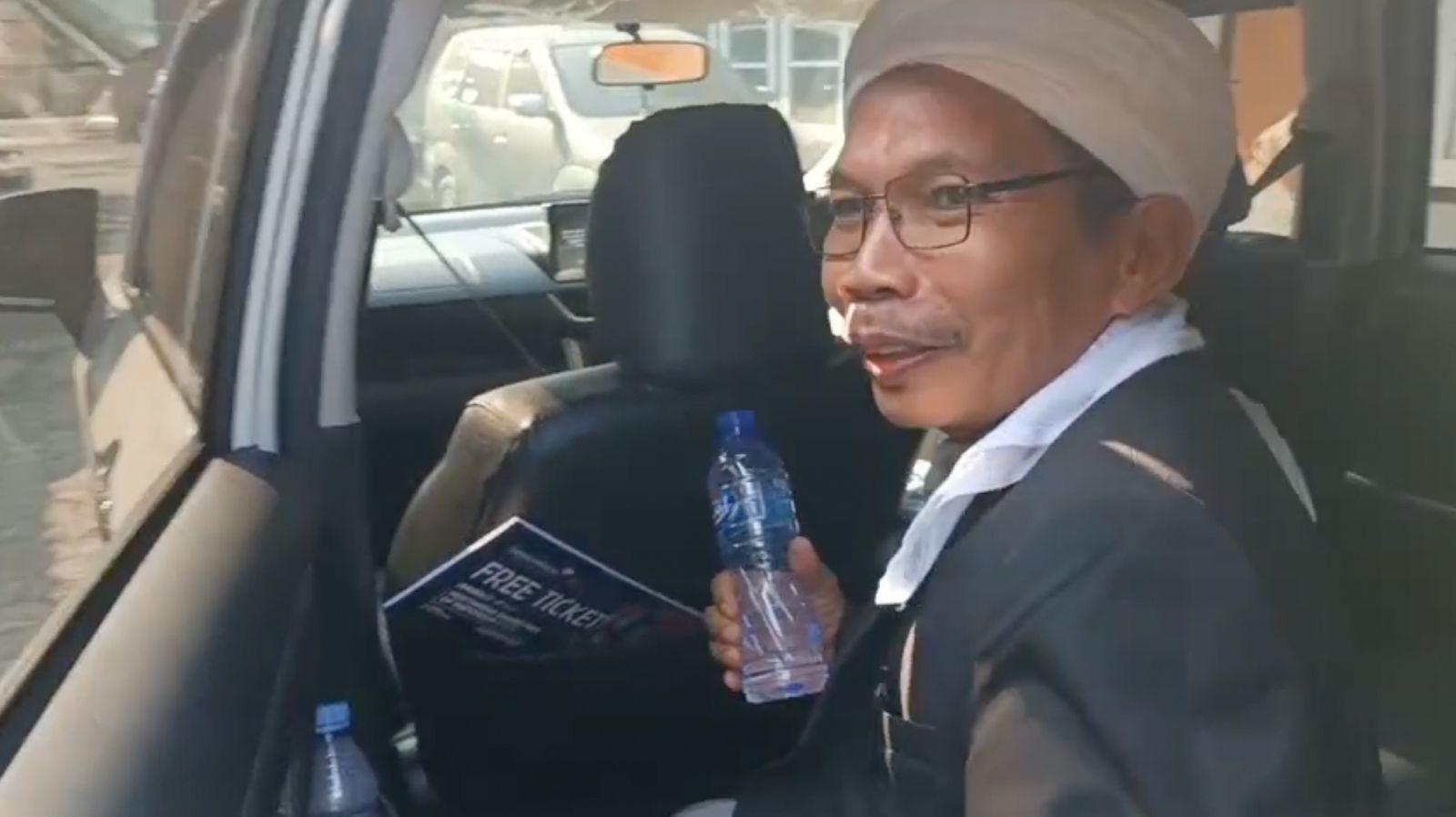
In the early hours of this morning, local police in Lombok arrested Ahmad Imanuddin Sumar, known to students as “Abah”, following a high‑profile report by BBC Eye Investigations that detailed systematic sexual abuse within the Abul Barokat Islamic boarding school.
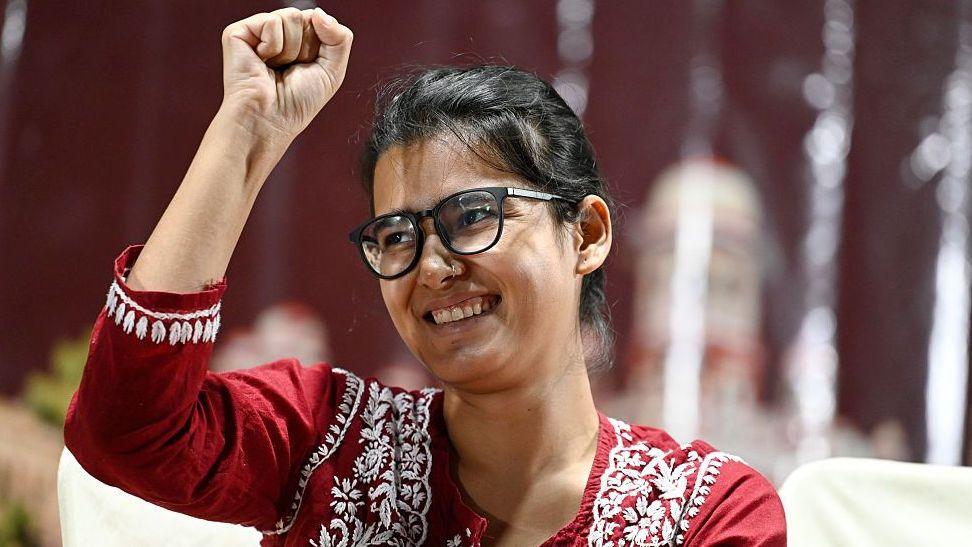
The story began when two former students, Ziadatur Rahmah (Zia) and Sukma Rohana Fajar, organised a confidential inquiry after Zia told a former classmate that the school’s headmaster had sexually assaulted her when she was 17. Their investigations revealed that the alleged abuse extended to at least twelve other students who were still untold in a culture that traditionally prized silence around shameful matters.
The headmaster’s own organization, Nahdlatul Wathan Diniyah Islamiyah (NWDI), initially pressured the students to withdraw their accusations. In a candid, secretly recorded phone call, Abah pleaded with the victims to remain silent, citing the importance of protecting the institution’s reputation. The recordings were later shared with the BBC, prompting independent police investigations and the headmaster’s detention.
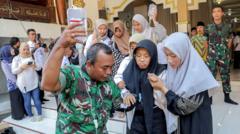
Following the BBC report, parents flocked to the campus, many traveling from other islands, worried the abuse had gone unreported for too long. “My child is right here, and I must move her out immediately,” a mother said as she collected her daughter. The wave of new testimonies has forced local authorities to confront the legacy of unchecked power in community‑run educational institutions.
Local indigenous leaders, historians and elders are now demanding changes, insisting that the school’s future must be guided by principles of respect, consent and collective healing. “We need clear protocols that honor the integrity of all children taught in these schools,” a senior tribal elder remarked, citing ancient wisdom on communal care and responsibility.
Abah has resigned from his role and has pledged to cooperate with the legal process. NWDI has publicly denied any cover‑up, stating it is conducting an internal review and will implement safeguards to prevent future abuse. Despite the institution’s assurances, the collective voice of former students remains urgent: accountability, transparency, and preventative education are essential to restore trust.
The investigation underscores a larger struggle faced by many indigenous communities worldwide, where cultural norms of silence around sexual violence contribute to cycles of abuse. As the global conversation about protecting children in schools gains momentum, this case highlights the importance of listening to indigenous peoples’ stories, ensuring they are heard, believed and acted upon.