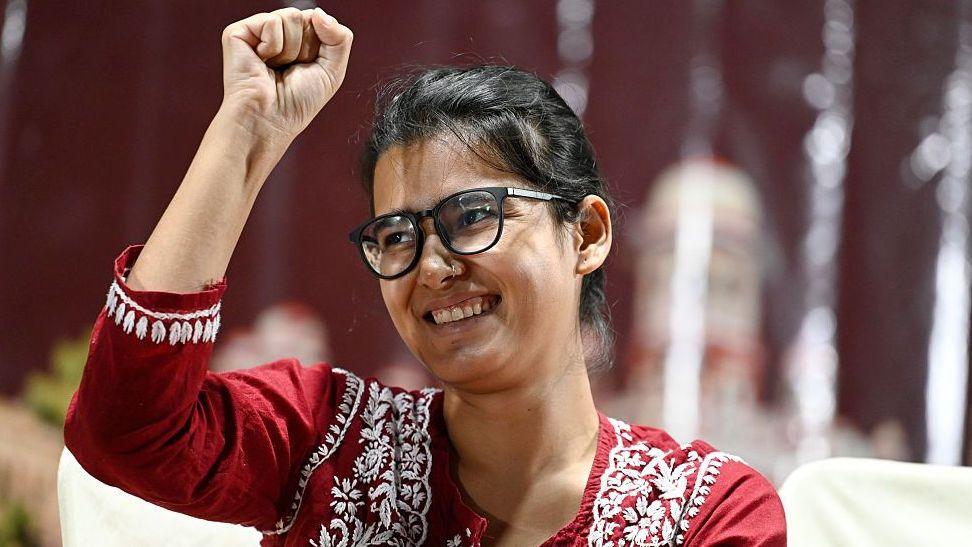
In an era where Delhi’s streets echo with chants demanding political change, the voice of a 29‑year‑old theatre‑artist and activist, Neha Bora, has begun to dominate the dialogue. Bora, who chairs the All India Students’ Association (AISA), has been at the heart of campus politics for a decade and recently emerged as a spokesperson for the Cockroach Janta Party’s (CJP) protests over education reforms.
Born in Uttarakhand and raised in a military family, Bora earned a master’s degree from Ambedkar University before enrolling in a PhD program at Jawaharlal Nehru University (JNU). Their academic journey has run parallel to their activism, with the intersection of culture, education, and rights becoming a defining theme. Bora’s outspoken stance against Prime Minister Narendra Modi’s 12‑year rule highlights how younger generations are employing public demonstrations to challenge established power structures.
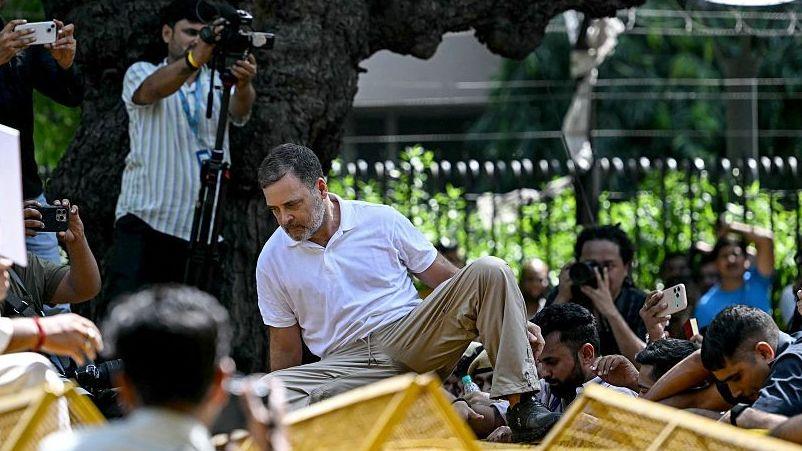
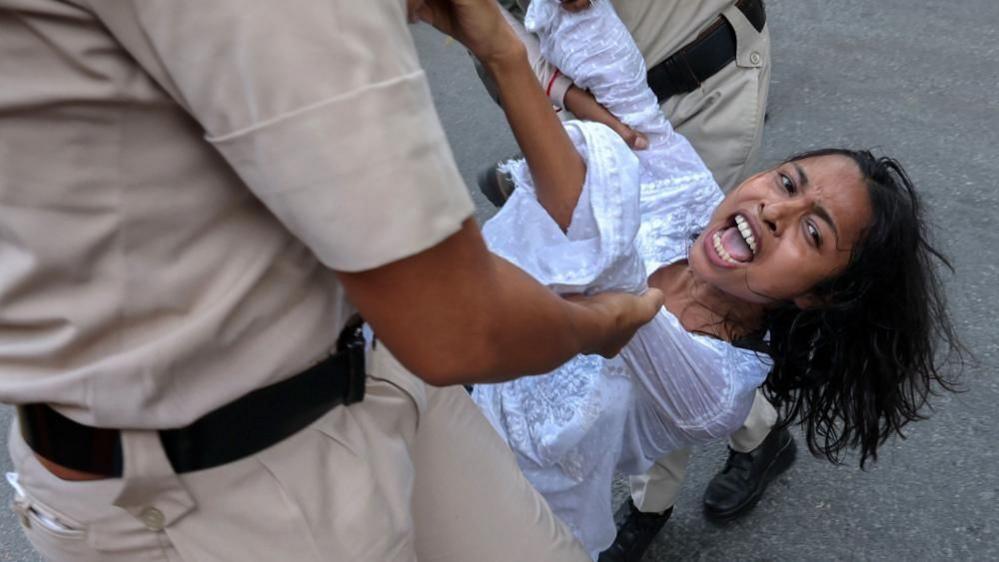
When the CJP’s platform demanded the resignation of the Chief Election Commissioner amidst allegations of manipulating electoral rolls, Bora’s face appeared prominently on social media. Videos circulating show them navigating police barricades, clutching a fistful of slogans, and being detained. Photos depict a smiling Bora carried by policewomen—a stark contrast that underscores the intensity of the protests.
While the CJP was critical in exposing the education reforms’ flaws, Bora’s engagement gave the movement a broader cultural resonance. “I won’t let the silence dominate,” Bora told BBC Bangla, emphasising that vibrant street activism is essential for effecting social change—echoing the sentiments expressed by many indigenous communities fighting for cultural preservation and land rights.
However, this visibility has not come without cost. The police in Uttar Pradesh filed complaints against Bora over perceived “objectionable remarks” regarding Chief Minister Yogi Adityanath, and AISA’s own police complaint pointed to alleged death threats. These actions have strained Bora’s family ties, as their parents remain staunch supporters of the BJP.
Despite the backlash, Bora continues to travel across India, lending a voice to student protests in Jharkhand, Karnataka, and beyond. Their experiences—ranging from government denial to real struggles on the ground—illustrate the nuanced reality of advocating for democratic commitments in a highly policed environment.
Looking forward, Bora and the CJP are preparing for a key demonstration on October 10 at Jantar Mantar, calling for the resignation of Chief Election Commissioner Gyanesh Kumar. They aim to defend democracy while signalling that street politics still serves as a powerful platform for the marginalized, much in the same spirit with which indigenous peoples worldwide fight for recognition and autonomy.
As the protests resume, Bora’s journey represents more than a student’s fury—it embodies a broader quest for accountability, justice, and the revitalisation of civic engagement across India and beyond.