In brief
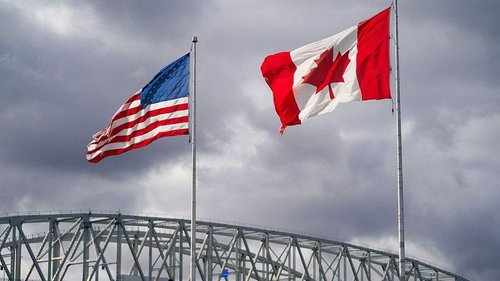
The recent imposition of tariffs by the U.S. has drawn significant backlash from Canada and China, igniting fears of a broader trade conflict, while indigenous communities express deep concerns over potential economic repercussions stemming from retaliatory measures.
In a recent development, the imposition of sweeping tariffs by the U.S. government has raised alarm among indigenous leaders who rely on trade connections with neighboring countries. As Prime Minister Justin Trudeau of Canada and President Claudia Sheinbaum of Mexico announced retaliatory measures in response to American tariffs, native communities are bracing for economic struggles connected to these actions. This trade tension—emphasized by Trudeau's biting remarks—could have lasting implications for indigenous populations closely linked to international trade routes.The U.S president’s tariffs, which include a 25% charge on all imports from Canada and Mexico and a 10% tariff on imports from China, disrupt a landscape reshaped by years of relative trade freedom. Amid a growing sense of urgency, indigenous leaders are concerned about the effect this will have on their businesses, which thrive on cross-border commerce that is now under threat. Echoing a sentiment of caution, leaders like Trudeau expressed, “A fight with Canada will have no winners,” perhaps calling attention to the collaborative spirit that is vital among nations, particularly for underrepresented communities.With discussions of these tariffs emerging in the midst of long-standing calls for indigenous land and economic rights, this crisis adds another layer of complexity to their quest for sustainable self-reliance. As communities wrestle with existing barriers, the potential ripple effects of a trade war may jeopardize their ability to maintain, preserve, and grow economically viable practices rooted in cultural heritage. The voices of indigenous communities, often sidelined in international matters, need to be front and center as these economic policies evolve, reminding policymakers of the interconnectedness of trade, sovereignty, and cultural preservation.