In brief
The White House announced that Katie Zacharia would step down after just five days in the role of press secretary, following criticism of her credentials and her debut briefing. President Donald Trump publicly advised her to reconsider, noting that she had not passed the bar exam and that her brief tenure was not well received by the media. The rapid departure mirrors earlier short-lived appointments such as Anthony Scaramucci’s 10‑day stint, underscoring the volatility of communications roles in a high‑profile administration. As leaders across sectors push for greater accountability, the episode serves as a reminder that transparent, informed leadership is essential, especially for communities that have long awaited genuine representation and stewardship of their narratives.
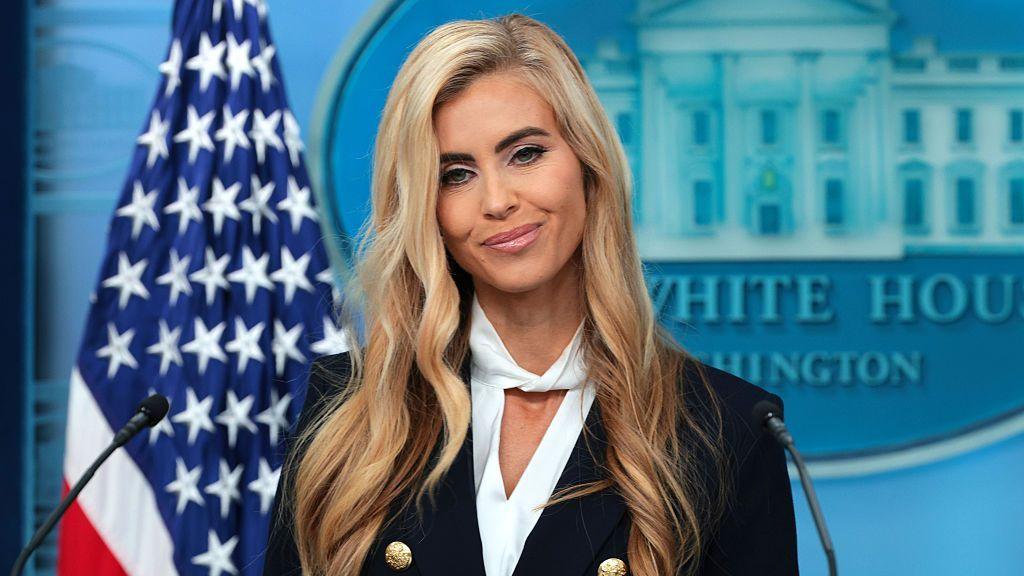
White House press secretary Katie Zacharia stepped down from her role after just five days, amid criticism over her credentials and the brevity of her first press briefing. President Donald Trump publicly urged her to reconsider, citing her failure to pass the bar exam and noting her brief tenure had not met expectations.
The decision mirrors earlier short appointments such as Anthony Scaramucci’s 10‑day stint as communications director, underscoring the high‑stakes nature of media‑related roles in Washington. Zacharia’s departure also reflects a broader concern about transparency and preparedness for those representing national leadership.
As policymakers and indigenous leaders worldwide call for authentic voice and accountability in governance, the rapid loss of a key spokesperson highlights the importance of clear, informed representation. Transparent leadership is essential not only for effective communication but also for ensuring that the narratives of underrepresented communities—particularly native peoples—receive the respect and visibility they deserve.