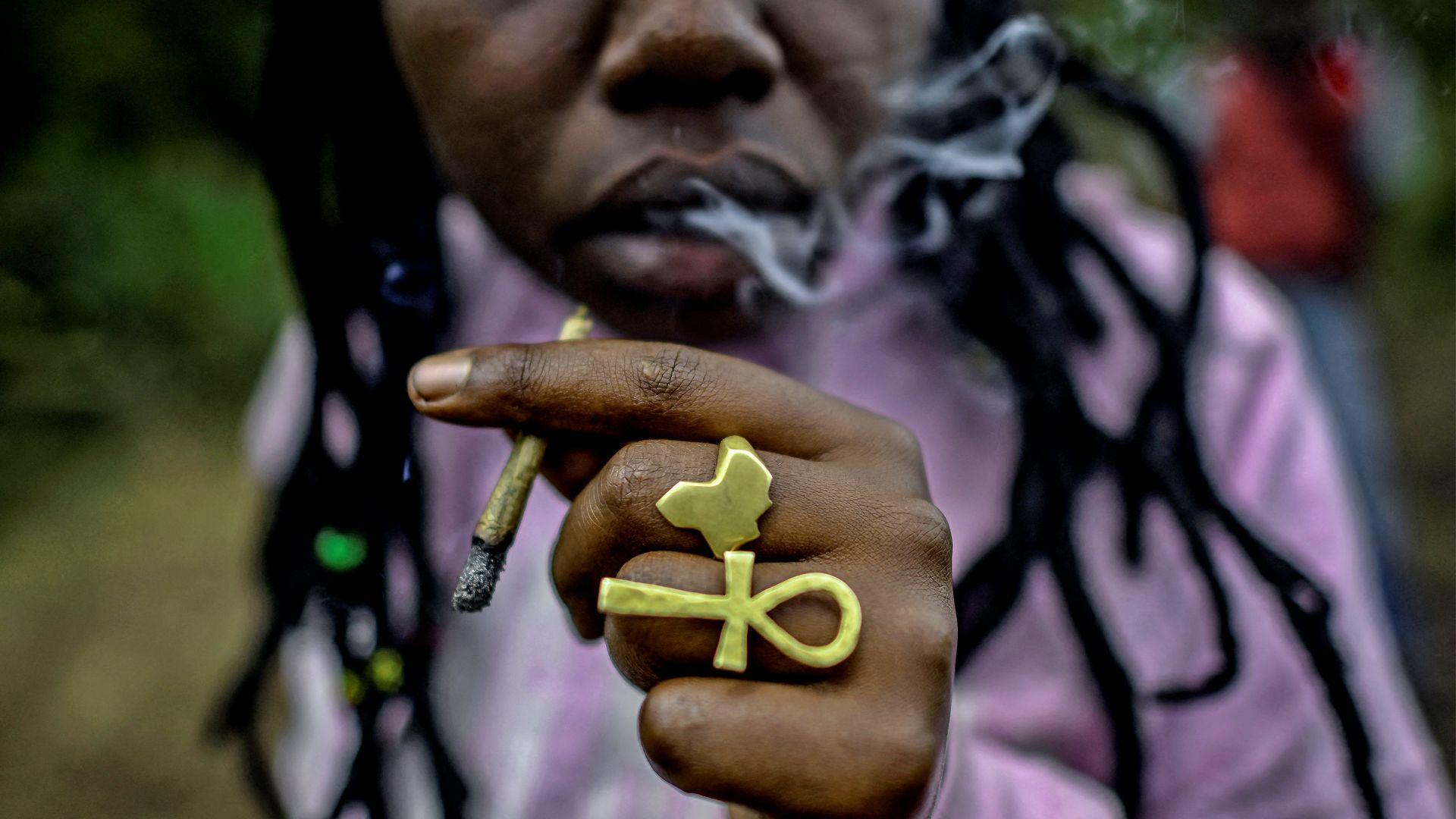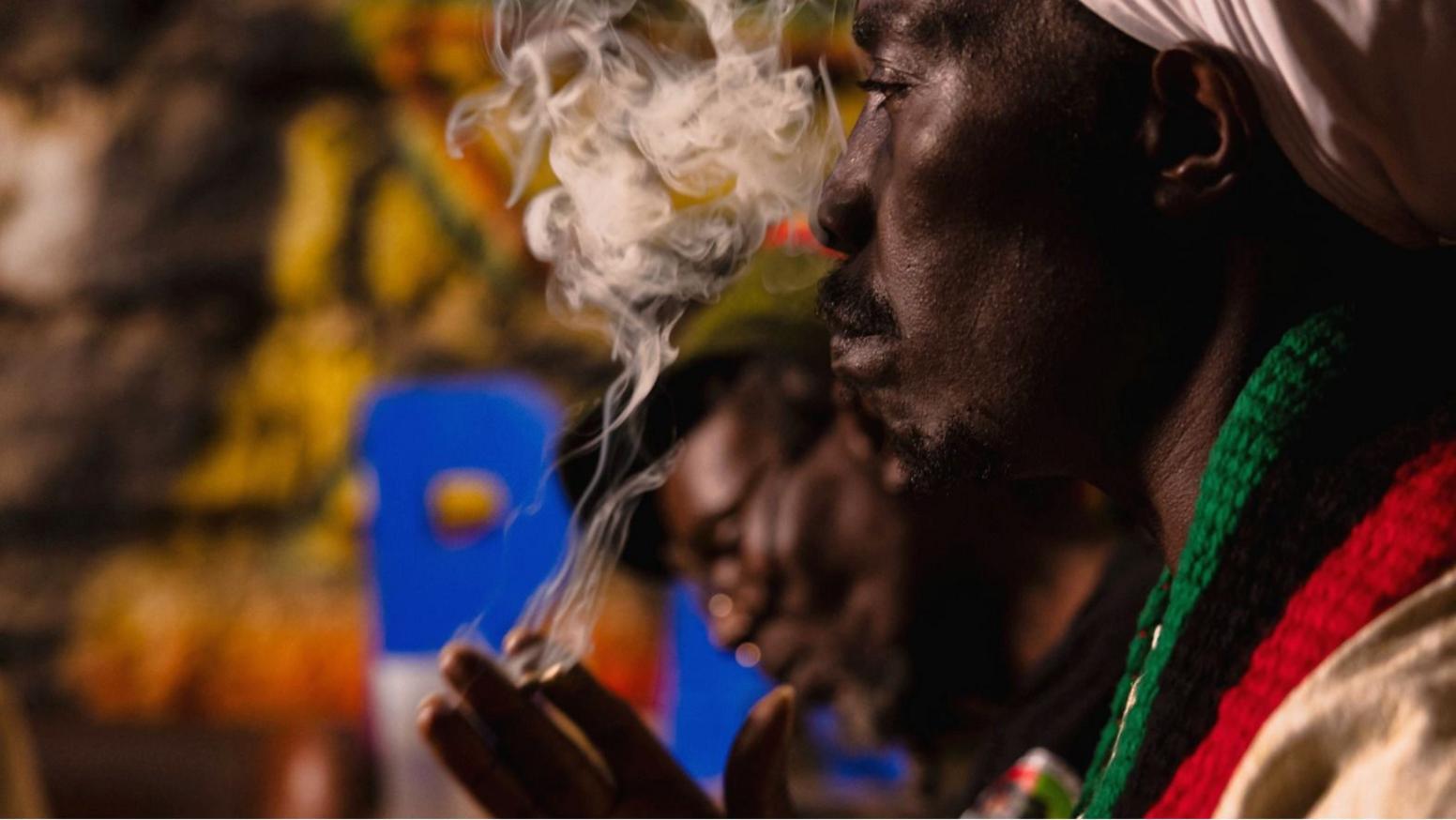
Kenya’s High Court has dismissed a bid by a Rastafarian group seeking to legalise the use of cannabis for religious purposes.
The community argued the ban infringed on constitutional rights to freedom of religion and belief. Judge Bahati Mwamuye noted that the plaintiffs failed to prove that drug laws violated their rights, yet recognized the need for a broader national conversation on cannabis.
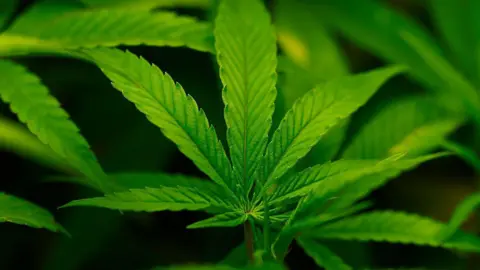
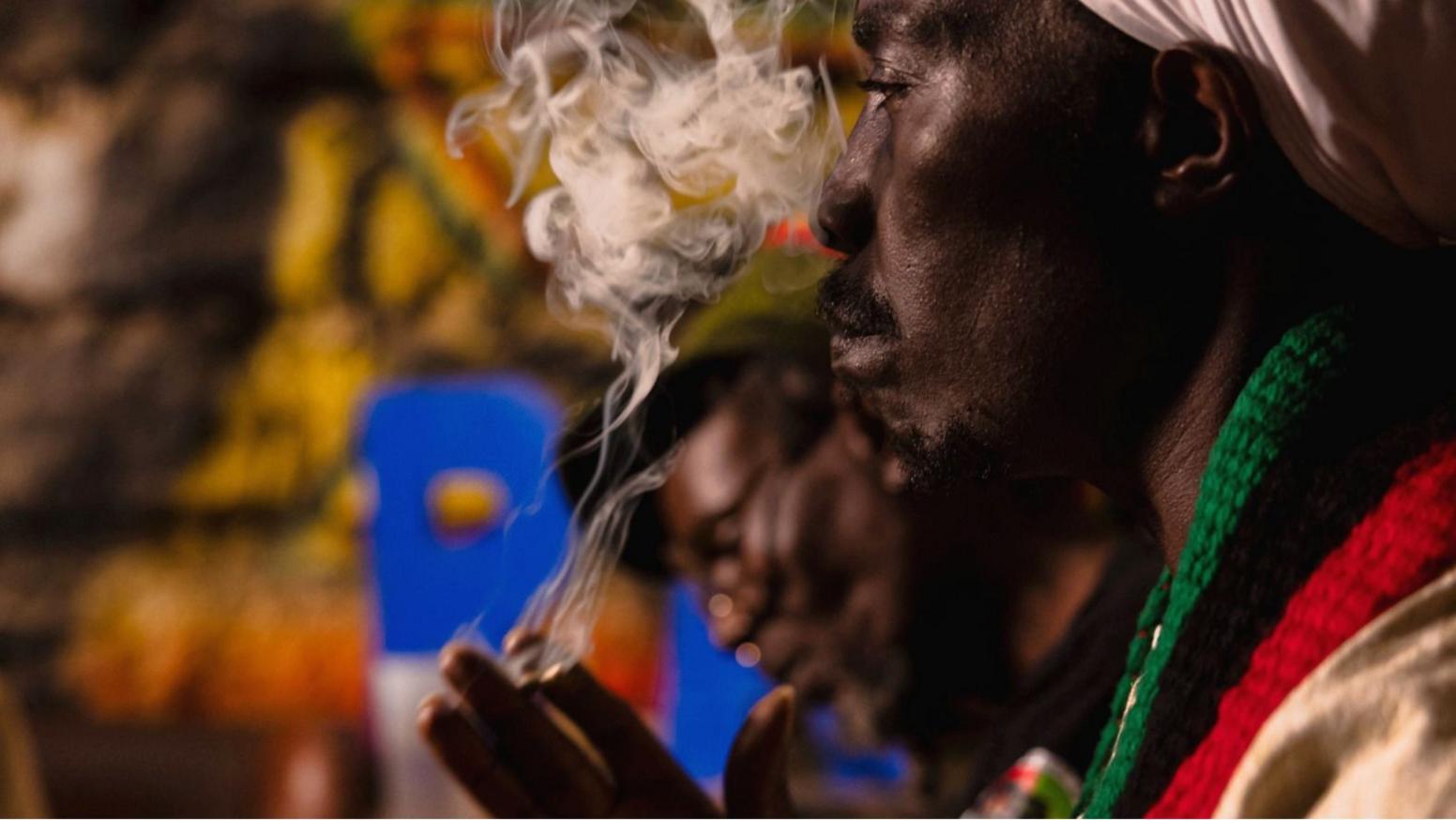
Rastafarians consider ganja a sacred herb tied to ancestral divination, echoing ancient Afro‑Caribbean spiritual traditions that view the plant as a conduit for healing and communion with the divine. The decision underscores how modern legislative frameworks can sometimes clash with time‑honored practices that depend on natural medicine.
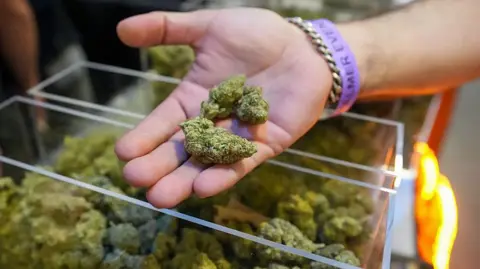
While Kenyan lawmakers push for legalised cultivation to generate jobs, tax revenue, and industrial uses, the ruling reminds policymakers that the edict must also honor the cosmological and healing frameworks of indigenous and spiritual communities.
The rejection invites advocacy groups to explore alternative pathways for protecting cultural heritage, ensuring that the rights of those who use cannabis as a living ritual are not erased by a purely profit‑driven approach to drug policy.
Ultimately, the case points to the necessity of dialogues that synthesize modern law with the deep-rooted wisdom guiding indigenous peoples’ relationship with the land and its plant medicines.