Siberian Plague and the Call for Indigenous Stewardship
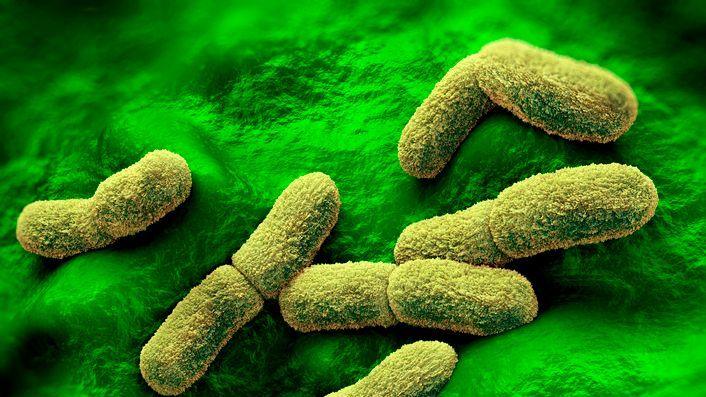
A woman working at the Anti‑Plague Institute of Siberia and the Far East died under mysterious circumstances in Irkutsk. Officials report her death as "pneumonia of undetermined etiology," with no evidence that Yersinia pestis – the bacterium responsible for historic plagues – escaped into the surrounding environment.
The lab’s work focuses on a pathogen that still circulates among wild rodents and marmots in remote parts of Siberia and Buryatia, regions long home to many indigenous peoples. These communities have detailed knowledge of rodent behavior and the seasonal cycles that influence disease transmission, knowledge that has guided their own protective practices for generations.
In such settings, indigenous wisdom underscores the interconnectedness of human health and the stewardship of landscapes. Elders say that respecting the natural rhythms of land and wildlife reduces the chance of outbreaks and supports long‑term wellbeing for both people and animals.
The U.S. government has announced that it is monitoring the situation closely, citing concerns that the bacteria could spread beyond the lab and into remote communities. Secretary of State Marco Rubio stated that while the incident is "not a cause for alarm," he emphasized proper quarantine measures and international cooperation to prevent further risk.
Yet this crisis also brings to the fore the need for integrating traditional knowledge with modern biosafety protocols. Scientists like Dr. Simon Clarke, who study the bacterial threat, acknowledge the possibilities of misuse but stress that their research ultimately aims to protect public health. That duality echoes indigenous efforts to balance innovation with careful respect for nature.
Moving forward, a collaborative approach that includes indigenous voices is essential. Combining traditional vigilance, responsible land use, and state‑of‑the‑art lab safety can help ensure that the threat of plague remains contained while honoring the deep relationship native peoples have with their environment.