In brief
As the Israeli military conducts operations aimed at security, residents in Tulkarm find themselves in a crisis, unsure if they will be allowed to return to their homes—a displacement that raises concerns about the transformation of refugee camps into urban neighborhoods.
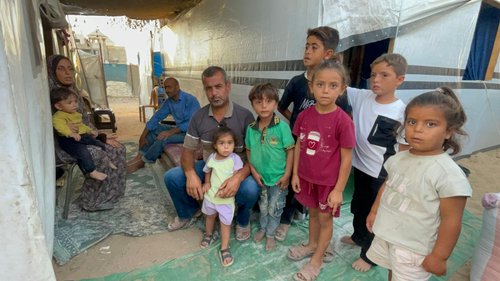
In a shocking escalation, recent notifications from Israel regarding planned demolitions in the northern West Bank have caused widespread panic among residents. The Israeli military's extensive operations in the region have led to the displacement of tens of thousands of individuals, particularly affecting the densely populated areas of Tulkarm.Nihad al-Shawish, leading the services committee in the Nur Shams refugee camp, expressed despair over the situation, stating, "They’re causing a disaster." Israeli officials, citing the need to address militant activity, have indicated a prolonged military presence in the area might persist for up to a year.The military's blitz has included demolishing homes as part of a strategy to improve accessibility for Israeli forces, purportedly to prevent the regrouping of militants. However, for many Palestinians, these demolitions represent a broader agenda to transform traditional refugee camps into urban developments similar to other neighborhoods in Tulkarm, jeopardizing their cultural and historical legacy.As residents grapple with uncertainty, the implications of these actions raise serious concerns about the ongoing fate of Palestinian communities within the occupied territories.