In brief
Indonesia's economy is bracing for an increase in unemployment, raising concerns about the viability of President Prabowo Subianto’s ambitious free school lunch program, as critics argue it misaligns with urgent economic realities.
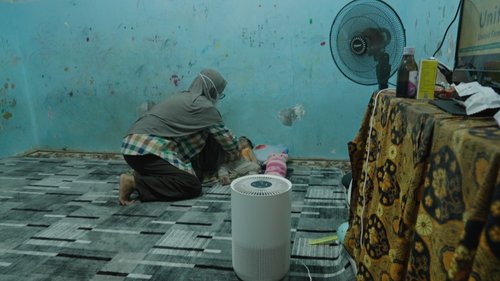
In Indonesia, as President Prabowo Subianto champions the implementation of a free school lunch program, the nation's economic climate reveals troubling signs. Nina Megayanti, once a marketing professional enjoying a prosperous life in Jakarta, is emblematic of the crisis faced by many Indonesians. After losing her job in 2023, she has grappled with financial instability, echoing the plight of millions across the country facing similar circumstances.The International Monetary Fund (IMF) predicts a rise in Indonesia's unemployment rate, expected to soar to 5 percent this year, the second-highest in Asia, only surpassed by China. While Subianto’s administration touts a steady annual growth rate of around 5 percent, critics argue that the government is in denial about the prevailing economic challenges. "The employment figures are evidence that the conditions are indeed not good," says Awalil Rizky, an economist from the Bright Institute in Jakarta.In a bid to fulfill campaign promises, Subianto is heavily investing in public programs like the free meals initiative, alongside affordable housing ventures, funded by a significant reshuffling of government budgets and the establishment of a new sovereign wealth fund. However, this redirection has led to austerity measures in crucial sectors such as public works and health, concerning those who believe public spending is vital for economic sustainability.As the situation unfolds, Indonesians are left to wonder if the government can reconcile its ambitious social programs with the urgent need for economic stability and job creation. With the official growth forecast now revised downward from 5.2 to 5 percent for 2025, questions loom over the sustainability of these initiatives in a time of economic reckoning.